
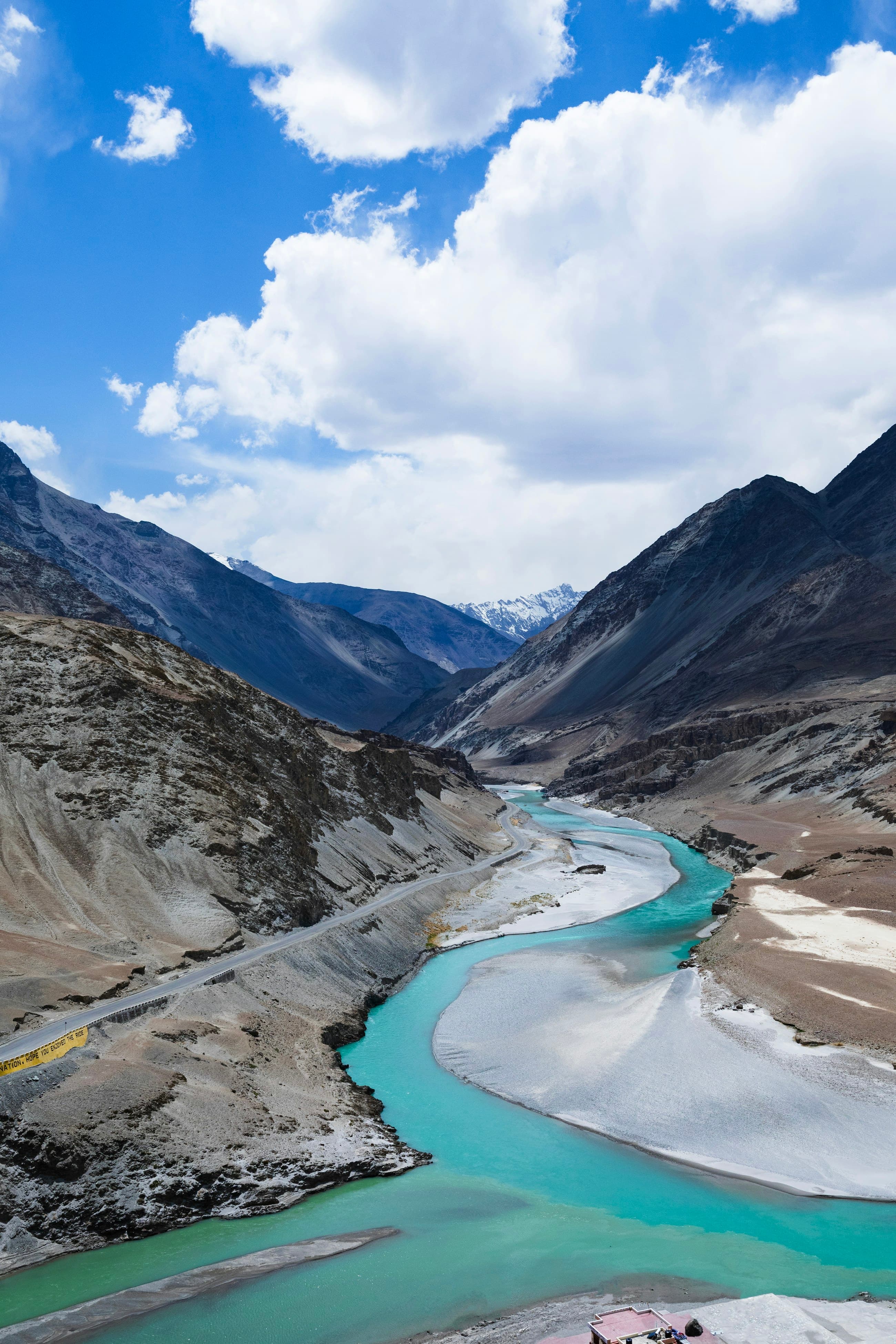
Destinations
Driving the Rann of Kutch: a first-timer's white-desert guide
The Great Rann is the most accessible big overland experience in India - and a near-perfect first expedition. Here's how to do it well.
If the Himalayas feel like a big leap for a first overland trip, the Rann of Kutch is the answer. It delivers a genuine, vast, otherworldly landscape with easy driving and no altitude - the gentlest possible introduction to vehicle-based adventure. It is the trip we point nervous first-timers toward precisely because it gives you the real thing - a horizon-to-horizon salt desert, nights under more stars than you have ever seen, a proper expedition feeling - without the two things that catch beginners out elsewhere: thin air and technical terrain. You get the reward of a big trip with a fraction of the risk.
When to go
November to February. The salt flats are dry and firm, the days are warm and the nights cold enough to enjoy a fire. A full-moon night camped on the white Rann is one of the great sights in Indian overlanding.
The season is not a suggestion, it is the trip. From November to February the monsoon water has drained and the salt crust has dried hard, which is what makes the Rann driveable and what makes the famous white expanse white. Outside that window the picture flips completely - the Rann is a flooded salt marsh in and after the monsoon, impassable and dangerous, so this is firmly a winter trip. Within the season, time your visit around the full moon if you possibly can: the white salt under a full moon is the sight people travel across the country for, and it is genuinely as good as promised. Pack for the temperature swing, because the desert does not hold its heat - warm, pleasant days in the low-to-mid twenties give way to nights that drop close to freezing, cold enough that a fire and a proper sleeping bag are not optional. The Rann Utsav festival runs through this season too, which makes accommodation and the tent city at Dhordo busier - plan around it depending on whether you want the buzz or the solitude.
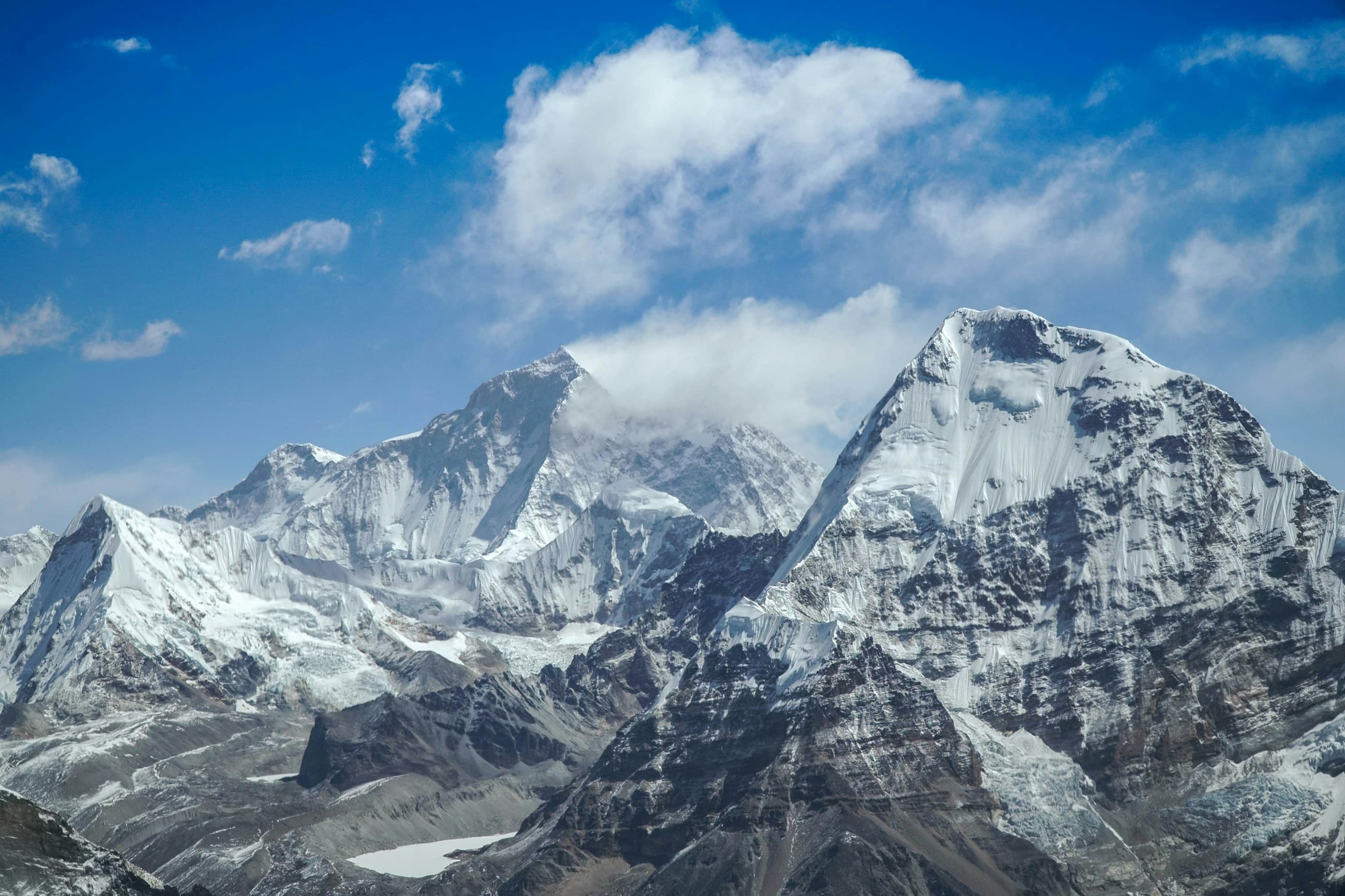
The route
- Base out of Bhuj - the natural hub for Kutch
- The Great Rann at Dhordo for the white-desert camp
- Craft villages - Ajrakhpur, Nirona - for the human side of Kutch
- The Little Rann and its Wild Ass Sanctuary
- Mandvi on the coast to close the loop
Strung together, that makes a relaxed four-to-six-day loop with no long or punishing driving days. Bhuj is the natural base - fuel, supplies, repairs and a night in a bed before and after if you want it - and everything radiates from there on good roads. Run north to Dhordo and the Great Rann for the white-desert camp and the full-moon view, allowing time to be out on the salt at both sunset and sunrise when it is at its most surreal. Work in the craft villages on the way - Ajrakhpur for its block-printing, Nirona for the Rogan art and bell-making - because the human side of Kutch is half of what makes the region special and is easy to miss if you treat it purely as a desert run. The Little Rann to the east is a different landscape and the place to see the Indian wild ass in its sanctuary. Then drop south to Mandvi on the coast - beach, the old shipbuilding yards, a complete change of scene - to close the loop before heading back to Bhuj.
What makes it beginner-friendly
The driving is easy - mostly good roads with short, flat off-tarmac sections. No altitude means no acclimatisation. Permits are simple. It is the trip we point nervous first-timers toward, and the reason our Rann and Kutch expedition is graded Beginner.
It is worth spelling out exactly why this trip is so forgiving, because the contrast with the Himalayas is the whole point. There is no altitude, so there is no acclimatisation, no Acute Mountain Sickness, none of the careful day-by-day height management that a Ladakh or Spiti trip demands. The driving is overwhelmingly good tarmac with short, flat, off-tarmac sections onto the salt, so a careful driver in a stock vehicle is never out of their depth. The flat, open terrain means no steep drops, no committing water crossings, no technical lines where a mistake is expensive. And the support network is real - Bhuj is a proper town, the route is well-travelled, and help is never far away. The one genuine hazard is specific and avoidable: the salt crust can be deceptively soft in patches, especially near the wet edges, so you stay on established tracks, do not go charging off across virgin salt alone, and carry the basics to get yourself out if you do find a soft spot.
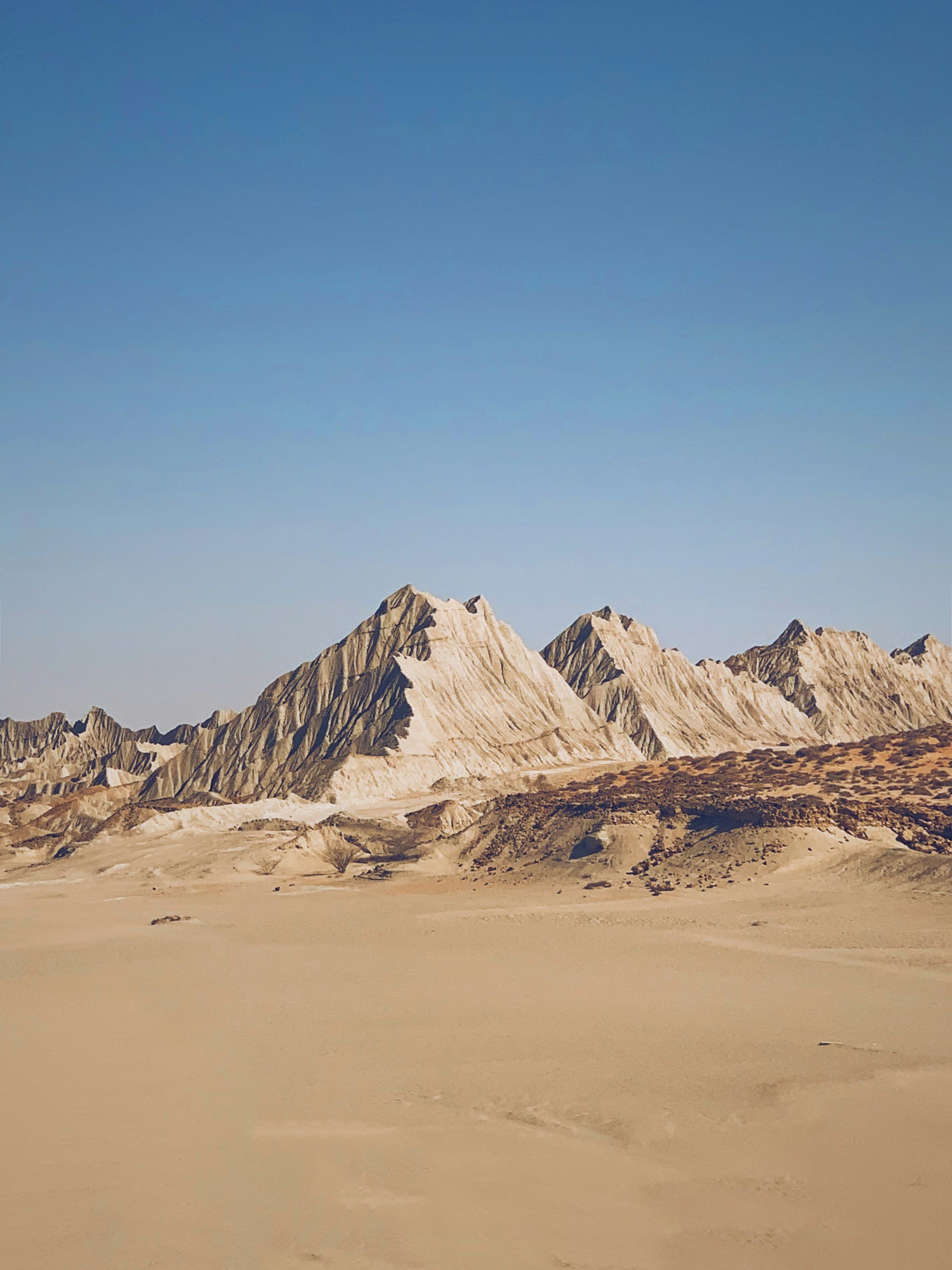
Gear and recovery on the salt
You do not need a heavily built vehicle for the Rann, but you do need the sand-recovery basics, because soft salt behaves like soft sand. Carry a quality deflator and air down before you venture onto softer crust - dropping into the mid-teens of psi spreads the load and keeps you floating rather than breaking through. Carry recovery boards and a compressor so you can self-recover and re-inflate before you rejoin a hard surface. A rooftop tent turns the white-desert night from a logistical problem into the highlight of the trip - you sleep up off the salt with the whole expanse around you - and a 270-degree awning like the SaberLight 270 earns its keep against the strong midday desert sun when you stop to camp. None of this is exotic kit; it is the same sand-recovery thinking that applies anywhere soft, applied to a surface that looks solid and occasionally is not.
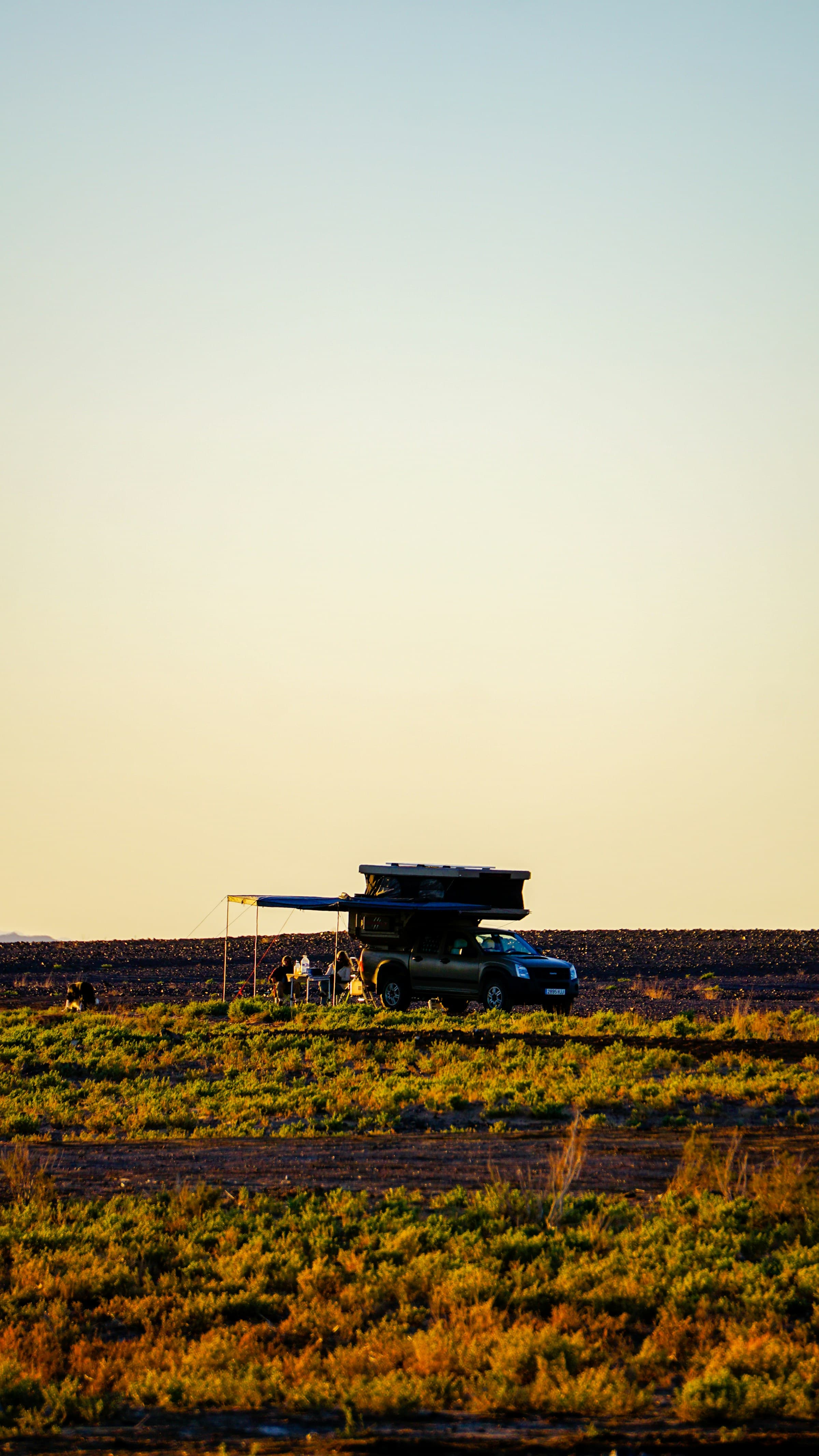
Camping on the salt, done right
A night out on the white Rann is the whole reason people make this trip, and a little care makes it the highlight rather than a hassle. Check locally where camping on the open Rann is permitted and where it is not, because access near the border and within the sanctuary areas is regulated and changes - the organised camp at Dhordo and the tent city around the Rann Utsav are the easy, sanctioned option if you would rather not sort it yourself. Wherever you pitch, pick firm crust well back from the damp edges, because the soft, wet margins are where vehicles break through. Carry every drop of your own water - there is none out on the salt - and pack out everything, since the Rann is a fragile, protected landscape and rubbish on that white expanse is both an eyesore and a real harm. Time it for the full moon and you get the salt glowing silver to the horizon; come on a new-moon night instead and you get one of the darkest skies in the country, thick with stars. Either way, a rooftop tent up off the crust with the whole desert around you is a night you do not forget.
One more practical note on the cold, because the Rann surprises people. A salt desert radiates its heat away fast once the sun drops, and a day that was pleasant in a shirt becomes a night close to freezing within an hour of sunset. Pack a proper four-season-ish sleeping bag and warm layers even though it is a desert - more than one first-timer has shivered through a beautiful full-moon night because they packed for the daytime number. A fire, where it is permitted and you have brought your own wood, turns that cold night into the best part of the trip.
Stand on the white Rann under a full moon once and you understand why people give their lives over to this.
Frequently Asked Questions
What is the best time to visit the Rann of Kutch?
November to February, when the monsoon water has drained and the salt crust is dry and firm. Outside that window the Rann is a flooded, impassable salt marsh, so this is strictly a winter trip. Time it around the full moon if you can - the white salt under a full moon is the sight people travel across the country for. Pack for warm days and near-freezing nights.
Do I need a 4x4 for the Rann of Kutch?
The route is mostly good tarmac with short, flat off-tarmac sections, so a careful driver does not need a heavily built vehicle. What you do need is the sand-recovery basics - a deflator, recovery boards and a compressor - because the salt crust behaves like soft sand and can be deceptively soft near the wet edges. Stay on established tracks, air down before you venture onto softer crust, and you are well equipped.
Is the Rann of Kutch a good first overland trip?
It is one of the best first trips in India - which is exactly why our Rann and Kutch expedition is graded Beginner. No altitude means no acclimatisation, the driving is easy, permits are simple, and Bhuj gives you a real support base. You get the full reward of a vast, otherworldly landscape and nights under enormous skies without the technical terrain or thin air that catch beginners out in the mountains.
How many days do I need for a Rann of Kutch trip?
Four to six days makes a relaxed loop with no punishing driving days - Bhuj as a base, the Great Rann at Dhordo for the white-desert camp, the craft villages, the Little Rann and its wild ass sanctuary, and Mandvi on the coast to close it out. You can do a tighter version focused on just the white Rann in a long weekend, but the full loop is what makes it a complete expedition.
Put it into practice
Headed this way? We run guided expeditions on these routes - permits, recovery and a mechanic all handled.