
Destinations
Your first Ladakh overland trip: a calm, honest guide
Permits, acclimatisation, the route, and the mistakes first-timers make. Everything you need to drive Ladakh without drama.
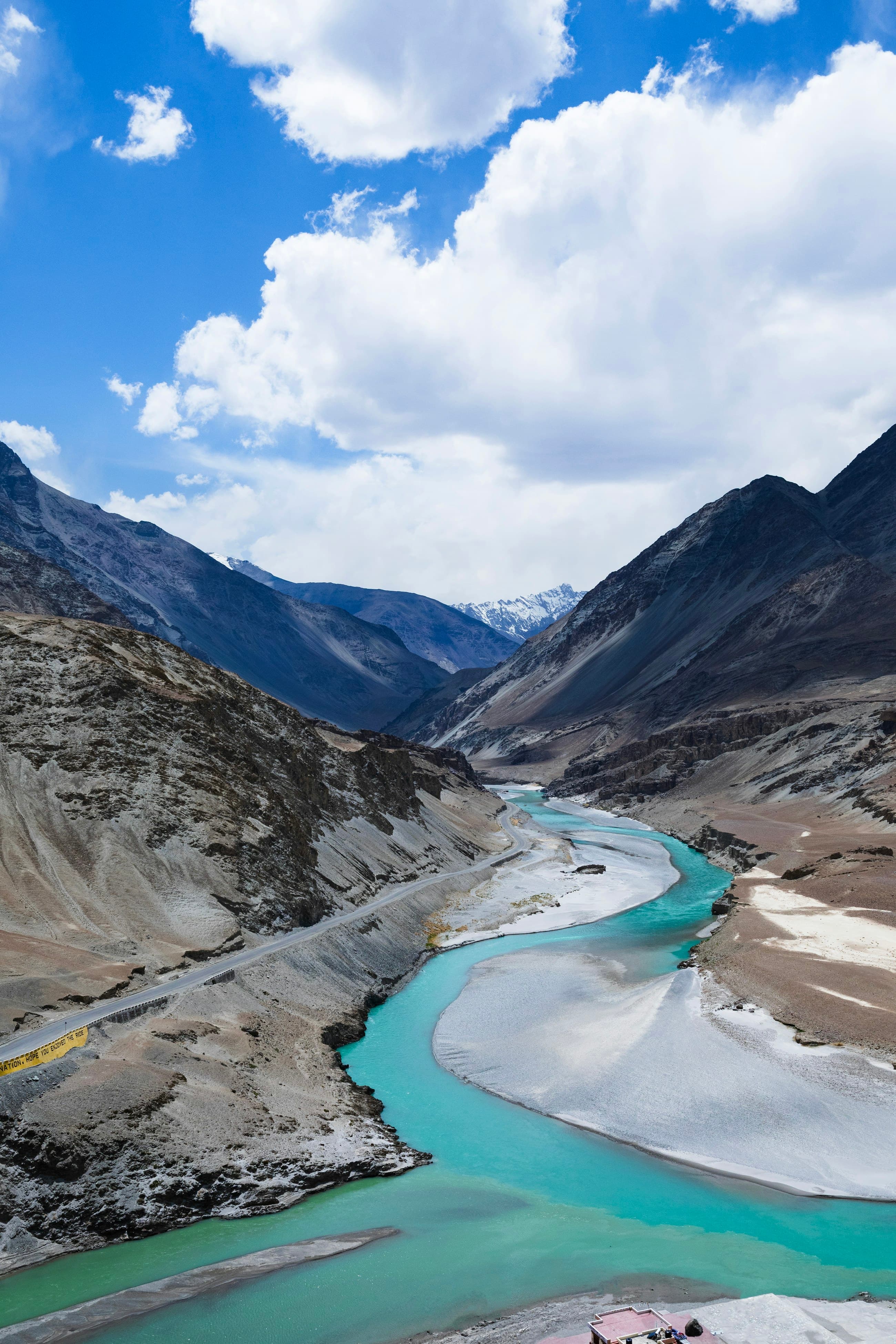
Ladakh is the most rewarding first overland trip in India - and the one most likely to be done badly. The landscape is forgiving of inexperience; the altitude is not. Here is the calm, honest version of what a first Ladakh trip actually involves. The headline numbers set the tone: Leh sits at about 3,500 m, Khardung La crosses around 5,360 m, Chang La near 5,360 m, and Pangong Tso sits at roughly 4,350 m on the way to camps you will sleep at higher still. Those altitudes are the whole reason the trip needs respect - the driving is genuinely manageable for a careful first-timer, but the thin air at the top is what catches people out.
Acclimatisation is the whole game
If you remember one thing: do not gain altitude faster than your body can adapt. Build two rest nights into the start of any Ladakh itinerary. Acute Mountain Sickness does not care how fit you are.
The two biggest acclimatisation mistakes are flying straight to Leh and going up too fast on day two. If you fly in, you land at 3,500 m with a body still set for sea level, so the first 48 hours are for doing almost nothing - walk slowly around Leh, drink constantly, sleep, and let your blood chemistry catch up. Driving in over the Manali or Srinagar approaches is gentler on the body because you gain height across days, but it is not a free pass either. Either way, the rule that keeps people safe is climb high, sleep low where you can, and never sleep much higher than the night before. Watch the group for the early signs - a headache that water and rest do not shift, no appetite, broken sleep, breathlessness sitting still - and treat them as instructions, not inconveniences. If symptoms worsen, you descend. A pulse oximeter and a chat with your doctor about altitude medication before you leave are cheap insurance; ego is not.
Permits
- Inner Line Permits are required for Nubra, Pangong, Tso Moriri and the Changthang region
- Apply online or through a registered agent in Leh
- Carry multiple photocopies - checkpoints keep one each
A few practicalities that save a morning of frustration in Leh. The permit system runs online, and a registered travel agent in Leh can process it for you in a few hours if you would rather not queue - bring ID and the relevant documents. Carry at least four or five photocopies of the approved permit, because the checkpoints on the way to Nubra, Pangong and Tso Moriri each keep a copy and you do not want to be down to your last one halfway through the loop. Rules and the exact list of restricted areas change from season to season, so confirm the current position before you travel rather than trusting a two-year-old blog. And note that some areas are domestic-only or carry extra conditions for foreign nationals - check the current status if anyone in your group holds a foreign passport.
The classic route
Leh to Nubra (via Khardung La) to Pangong and back to Leh, with optional extensions to Hanle and Tso Moriri. Our Ladakh Loop expedition runs the complete circuit over 14 days with all permits handled.
Sketched out day by day, the classic loop reads like this. Two nights in Leh to acclimatise and sort permits and fuel. Then over Khardung La to the Nubra Valley - Diskit, Hunder and the cold-desert dunes - for a night or two. Across to Pangong via the Shyok valley or back through Leh, depending on the season and road conditions, for a night camped by that impossible blue water. Back toward Leh, then south to Tso Moriri and the Changthang plateau, with Hanle and its dark-sky observatory as the reward for going the extra distance. Close the loop back at Leh. Fuel discipline matters out here: top up at every reliable pump because the gaps between them are long, and carry a jerry can for the Hanle and Tso Moriri legs. Stretches of all of this are above 4,000 m, which is exactly why the acclimatisation days at the start are not optional.
A worked example of how the altitude rule plays out on the road: a common first-timer error is to land in Leh, feel fine after a day, and bolt straight over Khardung La to sleep in Nubra on the second night. The problem is that Khardung La tops out around 5,360 m, and crossing it before your body has settled at Leh's 3,500 m is asking for trouble - plenty of people who felt fine in Leh get a pounding headache at the top of the pass. The fix is the order of operations: give Leh its full two nights, keep the first Nubra crossing for day three or later, and remember that Nubra at around 3,100 m is actually lower than Leh, so sleeping there is fine once you have crossed the pass - it is the pass itself, not the destination, that tests you. Plan the route so your hardest altitude gain comes after your body has had time to adapt, never before.

When to go and what to drive
The season runs roughly June to September, when the passes are open and the high camps are accessible. June can still hold late snow on the top of Khardung La and Chang La; July and August are the most reliable but overlap with the monsoon on the Manali approach, where landslides and washed-out sections are common - the Srinagar approach is usually the safer wet-season entry. September is many people's favourite: clear, settled, quieter, and cold at night. On the vehicle, any of the common platforms work - a Thar, a Fortuner, a Gypsy - provided it is mechanically sound, because Ladakh punishes neglected maintenance more than it punishes modest power. Good all-terrain tyres aired down for the rough sections, a basic recovery kit with traction boards and a deflator, a sound spare, and a vehicle you trust matter far more than horsepower. The driving itself is rough roads, a few water crossings from snowmelt that run higher in the afternoon, and long high-altitude days - all of it intermediate, none of it extreme for a careful driver.
One more piece of road craft that catches first-timers: the snowmelt streams that cross the road on the higher sections run on a daily clock. They are fed by the day's sun on the glaciers and snowfields above, so a crossing that is a trickle over your boots at eight in the morning can be a pushy, thigh-deep flow by mid-afternoon when the melt is at its peak. Plan your day around that rhythm - tackle the known crossings early, and if you find yourself facing a swollen one in the afternoon, the patient move is often to wait for the evening cool to drop it again rather than force it. Walk anything you are unsure of before you drive it, exactly as you would anywhere else, and remember that the water rising through the day is normal here, not a sign something has gone wrong upstream.
First-timer mistakes we see every season
- Skipping the Leh acclimatisation days to 'save time' - the fastest way to end your trip on day three
- Running the fuel tank low between Leh and the remote camps instead of topping up and carrying a jerry can
- Crossing afternoon snowmelt streams that were ankle-deep at breakfast - the water rises through the day
- Treating the cold lightly - high-altitude desert nights drop well below freezing even in summer
- Phone-only navigation and no offline maps where there is no signal for long stretches
Frequently Asked Questions
How many days do I need for a Ladakh overland trip?
Plan for around 10 to 14 days for the classic loop done properly, including the two acclimatisation nights in Leh. You can see Leh, Nubra and Pangong in a tighter window, but adding Tso Moriri, Hanle and the Changthang plateau is what makes it a complete expedition. The guided Ladakh Loop runs the full circuit over 14 days with permits handled, which is a sensible benchmark for the time it really takes.
Is Ladakh safe for a first overland trip?
Yes - it is genuinely one of the best first overland trips in India, because the driving is intermediate and well within a careful first-timer's reach. The risk is not the road, it is the altitude, and that is entirely manageable if you build in the acclimatisation days and respect the early warning signs. Get the altitude plan right and the rest is just long, beautiful, rough-road days.
What is the best time of year to drive Ladakh?
June to September. July and August are the most reliable for open passes but overlap with the monsoon on the Manali approach, so the Srinagar side is often the safer wet-season entry. September is a favourite for clear, settled weather and fewer crowds - just pack for genuinely cold nights, because the high desert drops below freezing even at the end of summer.
Do I need a modified 4x4, or will a stock vehicle do?
A mechanically sound stock 4x4 with good all-terrain tyres, a sound spare, and a basic recovery kit will do the classic loop comfortably. Ladakh rewards reliability over modification - a well-serviced vehicle you trust beats a heavily built one you do not. Air down for the rough sections, carry a deflator and traction boards, and keep the fuel topped up, and you are equipped for the trip.
Put it into practice
Headed this way? We run guided expeditions on these routes - permits, recovery and a mechanic all handled.