Rooftop tents
The Best Rooftop Tent in India: A Buyer's Guide for Real Himalayan Overlanding
Finding the best rooftop tent india means matching it to your rig and the Himalayan cold. Hardshell vs softshell, roof load, and picks by use-case.
Choosing the best rooftop tent in India is not about copying an Instagram build from Colorado or the Australian outback. It is about one hard question: will this tent hold up at 4,000 metres when the temperature drops to -20C, the wind comes off a glacier, and you are parked on a washboard track three hours past the last fuel pump? We build at AdventureX4x4 in Faridabad, and every tent we ship has been proven on the routes that matter here - Spiti, Ladakh, Lahaul, the cold camp above Sissu. This guide cuts through the marketing and shows you how to pick a rooftop tent that earns its place on your roof, not just your driveway.
Why a Rooftop Tent Makes Sense in India
Indian overlanding has its own rules. Campsites are rarely flat, the ground is often rock or frozen scree, and in the high desert you do not want to be zipped into a ground tent when a leopard-grey dawn brings the wind. A rooftop tent puts you above the cold ground, away from snakes and surface water, and lets you set camp in under a minute when light is fading on a mountain pass. It also keeps your sleeping setup permanently packed, which matters when you are moving camp every day on a Leh-Ladakh circuit. The trade-off is weight on the roof, and that is exactly where most buyers get it wrong - so we will deal with it head on.
The One Number That Decides Everything: Dynamic Roof Load
Here is the fact that marketplace sellers will never put in a listing. Your vehicle has two roof load ratings, and they are wildly different. The STATIC load is what the roof can hold when the car is parked - this is a large number, often 300 kg or more, and it is why a deployed tent safely sleeps two adults without any drama. The DYNAMIC load is what the roof can carry while the vehicle is moving, and on Indian factory roofs - a Mahindra Thar, a Hyundai Creta, a Toyota Innova - that figure is only about 50 to 75 kg, and it must include the weight of the crossbars themselves.
This is the number that decides which tent is safe for you. You size the tent's CLOSED driving weight to the dynamic limit, not the static one. A tent that weighs 65 kg closed, plus 8 kg of crossbars, is already at the edge of a 75 kg dynamic rating before you add anything else. Get this wrong and you are not just risking the tent - you are stressing the roof structure on the worst roads in the country. Get it right and the tent is rock-solid for years.
- Static load (parked): high, often 300 kg or more - this is why your deployed tent sleeps two adults safely.
- Dynamic load (moving): typically only 50 to 75 kg on Indian factory roofs, and it MUST include the crossbars.
- The rule: match the tent's closed, ready-to-drive weight to the dynamic limit, with margin to spare.
- Always fit rated crossbars - a roof basket or factory rails alone is not a mounting platform for a rooftop tent.
Hardshell vs Softshell: The Real Difference
This is the choice every buyer agonises over, so let us be clear about what actually separates the two. A hardshell tent has a rigid ABS or aluminium lid. It deploys fast - on an automatic hardshell, in under a minute - it is more aerodynamic on the highway, it sheds snow and rain off a solid roof, and it protects the tent fabric completely when closed. The trade-off is a smaller closed footprint and usually a higher price, because the engineering is harder.
A softshell tent uses a folding design under a PVC cover. It typically gives you more sleeping area for the money - a softshell can sleep three or four where a hardshell of the same closed size sleeps two - and it often costs less. The trade-off is a slower setup, more exposed fabric, and a taller closed profile that costs you some fuel economy. Neither is universally better. The right answer depends entirely on how you travel.
- Hardshell: fastest deploy (under a minute on an automatic), best aerodynamics, sheds snow, fabric fully protected when closed. Best for solo and couple expedition travel where you move camp daily.
- Softshell: more sleeping room per rupee, sleeps 3 to 4, generally lighter on the wallet. Best for families and base-camp style trips where setup time matters less.
- Cold-weather note: a hardshell's rigid lid handles a snow load better and gives a tighter seal against high-altitude wind.
What Actually Matters in Indian Cold
A tent that is brilliant in a Goa beach campsite can be useless above Sissu in October. The Himalayan cold is unforgiving, and three things separate a tent built for it from a tent that simply looks the part. First, deploy time. When you roll into a high camp at last light with the temperature already plunging, you do not want to be fighting poles in the dark with numb fingers. A sub-one-minute automatic deploy is not a luxury here - it is the difference between a warm night and a miserable one.
Second, waterproofing and seam integrity. Spiti and Ladakh are high desert, but Lahaul and the approaches see real snow and sleet, and a sudden cloudburst on the drive in is not rare. You want a high hydrostatic-head fabric, fully taped seams, and a rainfly that actually covers the windows. Third, and most overlooked, sub-zero insulation and condensation control. At -20C the difference between two bodies breathing inside a poorly ventilated shell and a properly vented, insulated tent is a layer of frost on the ceiling versus a dry, liveable space. AdventureX4x4 tents are built with anti-condensation venting and insulation tuned for exactly these temperatures - because we test them there, not in a lab in a warm city.
- Deploy time: aim for a fast, predictable setup you can do cold and tired. Under a minute on an automatic hardshell is the benchmark.
- Waterproofing: high hydrostatic head, fully taped seams, a rainfly that covers the windows - Lahaul snow and surprise cloudbursts are real.
- Insulation and ventilation: sub-zero insulation plus anti-condensation venting to stay dry inside at -20C.
- Wind stability: a rigid or well-tensioned structure that does not flog all night in glacier wind.
AdventureX4x4 Picks by Use-Case
There is no single best rooftop tent in India - there is the best tent for YOUR rig and how you travel. Here is how we match our range to the vehicles and trips Indian overlanders actually run. Each of these is engineered around the dynamic-load reality above, so you are never guessing whether your roof can take it.
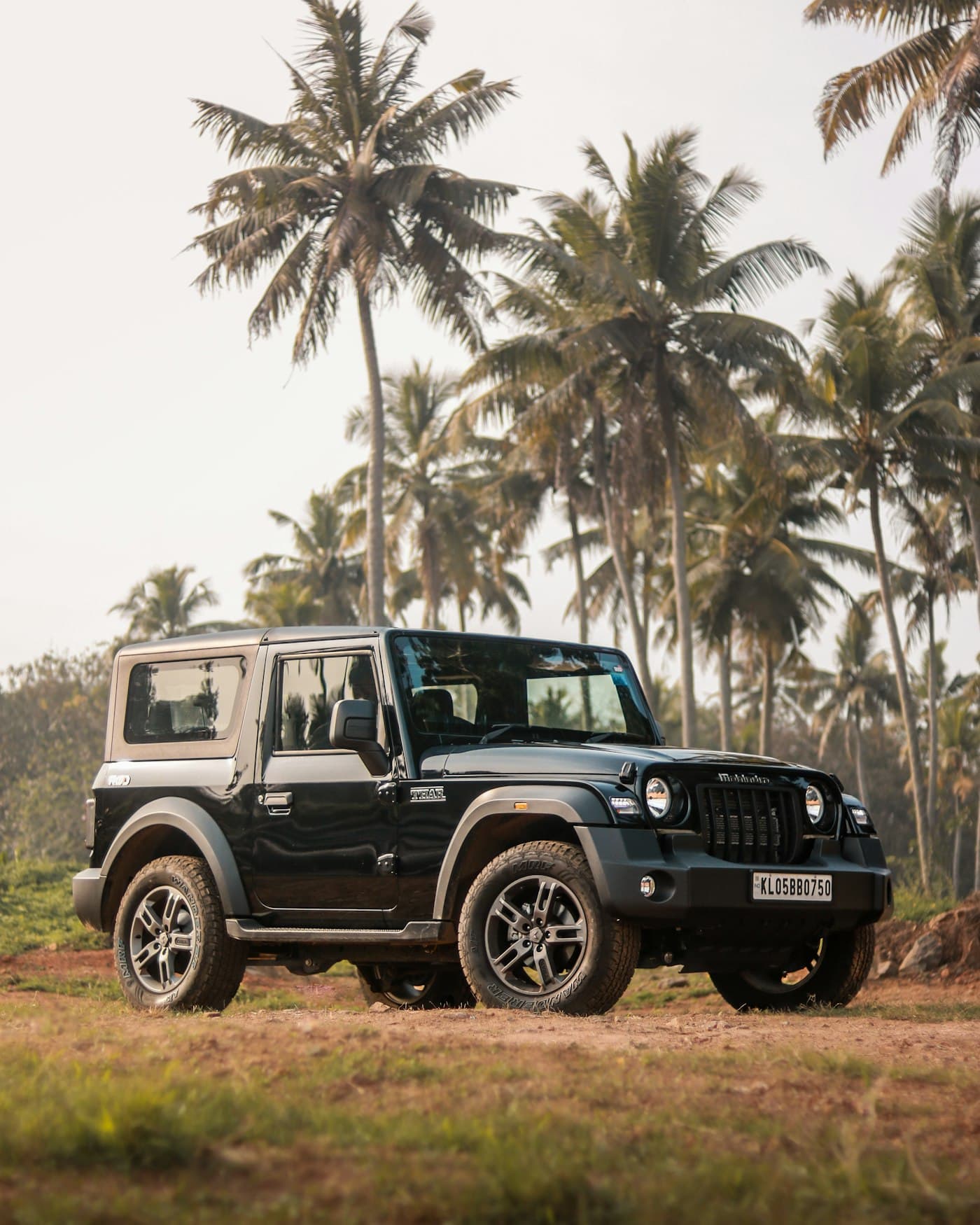
- Mahindra Thar - the AutoNest 120. Our flagship automatic hardshell. It auto-deploys in under a minute, packs to a low driving profile, and its closed weight is sized for the Thar's roof. This is the default answer for the most popular overland rig in the country.
- Suzuki Jimny - the FeatherLite. The Jimny has a lighter roof than a Thar, and most rooftop tents are simply too heavy for it. The FeatherLite is the only rooftop tent we build specifically for the Jimny's roof, so you get a true rooftop setup on a small rig without overloading it.
- Toyota Hilux / Fortuner and full-size rigs - the Bison61. An expedition-grade hardshell for vehicles with the roof capacity and the ambition for long, remote routes. Built for the rig that goes furthest.
- Family of three or four - the CampTop 400Max. A 7ft x 7ft softshell that sleeps three to four comfortably. When the whole family is on the Spiti circuit, this is the room you want overhead.
If you want a hardshell wedge with a smaller footprint, the CampTop Aero-V is an aluminium hardshell at approximately Rs 138990. For more softshell room there is the CampTop 300Lux, and for a compact, budget-conscious softshell the CampTop 250. The point is that the right tent is a matching exercise - rig, roof rating, group size, and route - not a single product.
Why Premium Beats a Rs 30000 Marketplace Tent
You can find a rooftop tent on a marketplace for around Rs 30000, and on a screen it looks like the same thing. It is not. We will not insult you with a discount pitch - we will tell you exactly where the money goes. A cheap tent uses thin, low-hydrostatic-head fabric that wets through in real snow, untaped or poorly taped seams that leak at the corners, mild-steel hinges and brackets that corrode and develop play after a few washboard sections, and zero meaningful insulation for sub-zero nights. Its closed weight is often unspecified, which means you have no idea if it is safe on your dynamic roof load.
AdventureX4x4 sits above brands like Bimbra - whose NAO W2 tent runs Rs 134990 - and Futurz, whose Thar tents sit in the Rs 79000 to 90000 band. We sit above them because of engineering, not branding. Aircraft-grade materials, fully sealed and tested seams, corrosion-resistant hardware rated for re-torque after rough tracks, insulation and venting validated at -20C, and a closed weight published so you can match it to your roof. A rooftop tent is the one piece of kit standing between you and a Himalayan night at altitude. That is not the place to save Rs 100000 and hope.
A rooftop tent is the last thing between you and a -20C night at 4,000 metres. We engineer ours to win that argument every single time, not to win a price war.
AdventureX4x4
How to Make the Final Call
Start with your vehicle's dynamic roof load and find your closed-weight ceiling. Then decide hardshell or softshell based on group size and how often you move camp - solo and couples who move daily lean hardshell, families and base-campers lean softshell. Then match to the named tent for your rig. If you do those three things in that order, you will not buy the wrong tent, and you will not overload your roof. That is the whole game.
Frequently Asked Questions
What is the best rooftop tent in India for a Mahindra Thar?
For most Thar owners the AutoNest 120 is the best choice. It is an automatic hardshell that deploys in under a minute, packs to a low driving profile for better aerodynamics, and its closed weight is sized to the Thar's roof. It is our flagship precisely because the Thar is the most common overland rig in India and this tent is built around it.
Hardshell or softshell - which is better for Himalayan cold?
For cold, wind, and snow, a hardshell has the edge: the rigid lid sheds snow, seals tighter against glacier wind, and deploys fastest when you are setting camp in the dark. A softshell wins on interior room and price and is excellent for families, but you trade some setup speed and aerodynamics. Match the choice to your group size and how often you move camp.
How much weight can my car roof actually hold?
There are two numbers. Parked (static), most roofs hold 300 kg or more, which is why a deployed tent sleeps two adults safely. Moving (dynamic), Indian factory roofs typically allow only 50 to 75 kg, and that figure must include your crossbars. Always size the tent's closed driving weight to the dynamic limit, never the static one.
Is a Rs 30000 marketplace rooftop tent good enough for Ladakh?
For a real Ladakh or Spiti trip, no. Budget tents typically use thin fabric with low hydrostatic head, weak seam taping, corrosion-prone hardware, and no sub-zero insulation, and they rarely publish a closed weight so you cannot confirm it is safe on your roof. At -20C and on washboard tracks, those shortcuts become real problems. Premium engineering is what keeps you dry, warm, and bolted down.
Can I put a rooftop tent on a Suzuki Jimny?
Yes, but only with a tent built for it. The Jimny has a lighter roof than a Thar and most rooftop tents are too heavy for it. The AdventureX4x4 FeatherLite is the only rooftop tent we make specifically for the Jimny's roof, so you get a genuine rooftop setup on a small rig without exceeding its dynamic load.
Will a rooftop tent keep me warm at -20C?
A properly built one will. The keys are sub-zero insulation, anti-condensation ventilation so two people breathing inside do not frost the ceiling, and a tight, wind-stable structure. AdventureX4x4 tents are built and tested for these temperatures on real Himalayan routes, so they hold a liveable, dry interior where a thin marketplace tent would not. Pair the tent with a season-appropriate sleeping bag and insulated mattress for the full system.
Ready to kit out?
Everything in this guide is built, stocked and backed by AdventureX4x4 — engineered for Indian cold and proven from Spiti to Ladakh.