
Field gearstorage
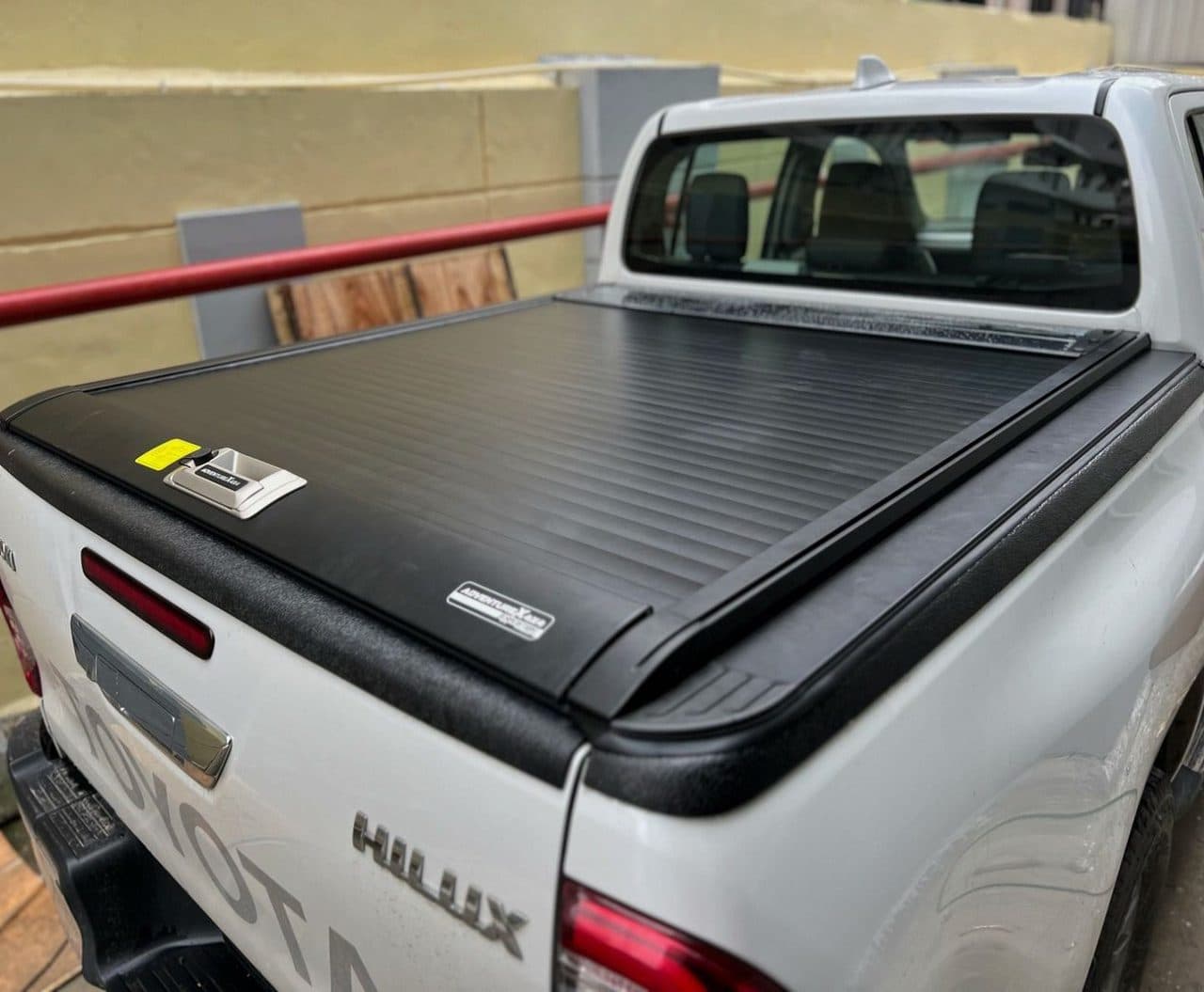
Hilux Expedition Series Manual Roller Shutters V2
Take your Toyota Hilux to the next level of protection, utility, and adventure with our…
Price
₹83,990
Build dossier - Toyota Hilux
Building a Toyota Hilux for overlanding starts at the bed. The right roller shutter for security and load, CrossTrail crossbars to carry a tent, the correct snow-chain size for an automatic Hilux, and a fast 270 awning - here is the Hilux accessories build we fit and field-test in India for Ladakh and Spiti, with the real numbers.
Rooftop tents, snow chains, an awning and recovery kit — each one chosen for the Hiluxspecifically, not just badged “universal.” Prices are live from the AdventureX4x4 catalogue.
Field gearstorage
Take your Toyota Hilux to the next level of protection, utility, and adventure with our…
Price
₹83,990
CrossTrailstorage
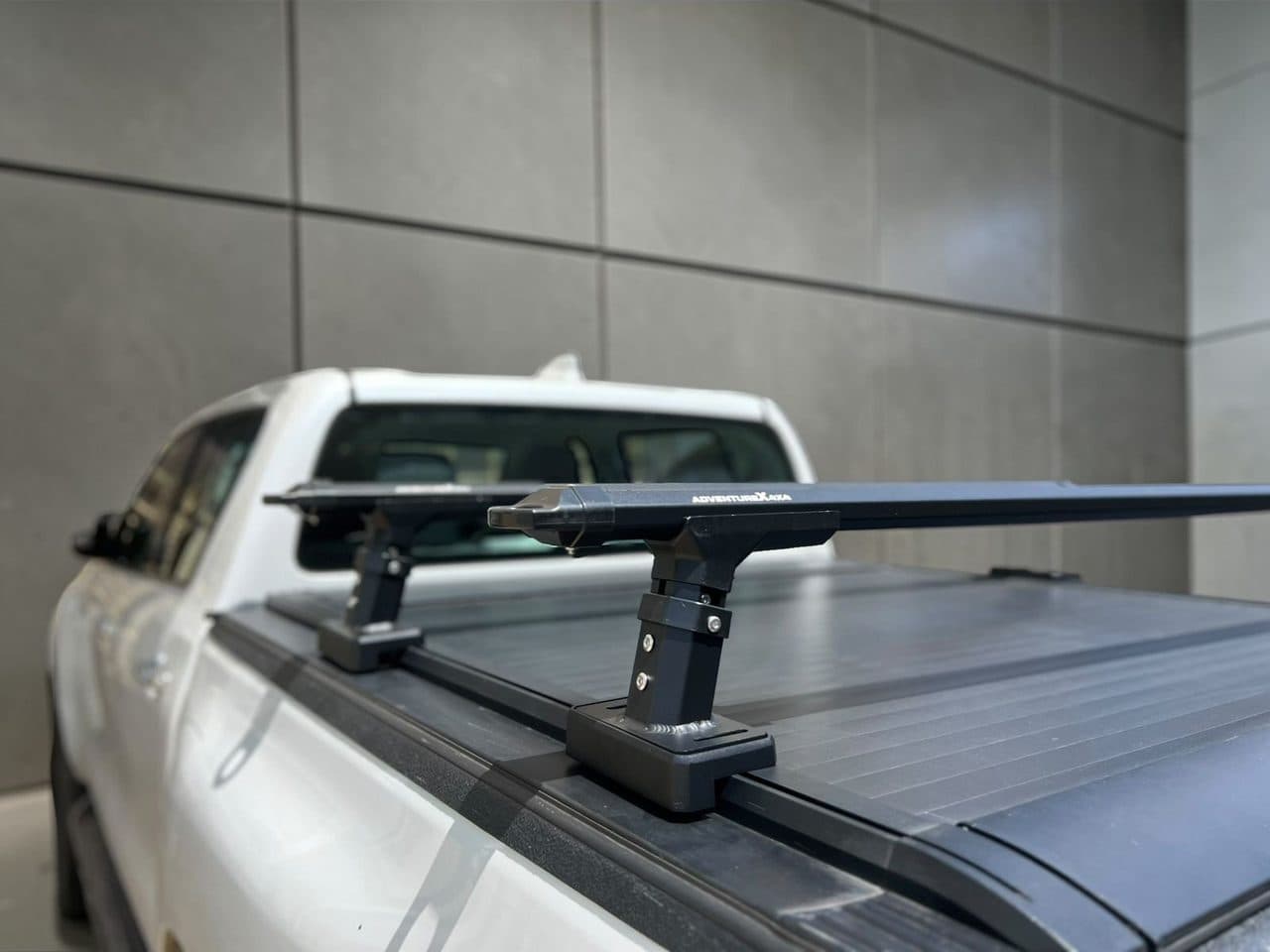
The AdventureX4x4 Hilux CrossTrails Bed Crossbars are designed to be a strong, reliable…
Price
₹29,990
TractionXsnow chains
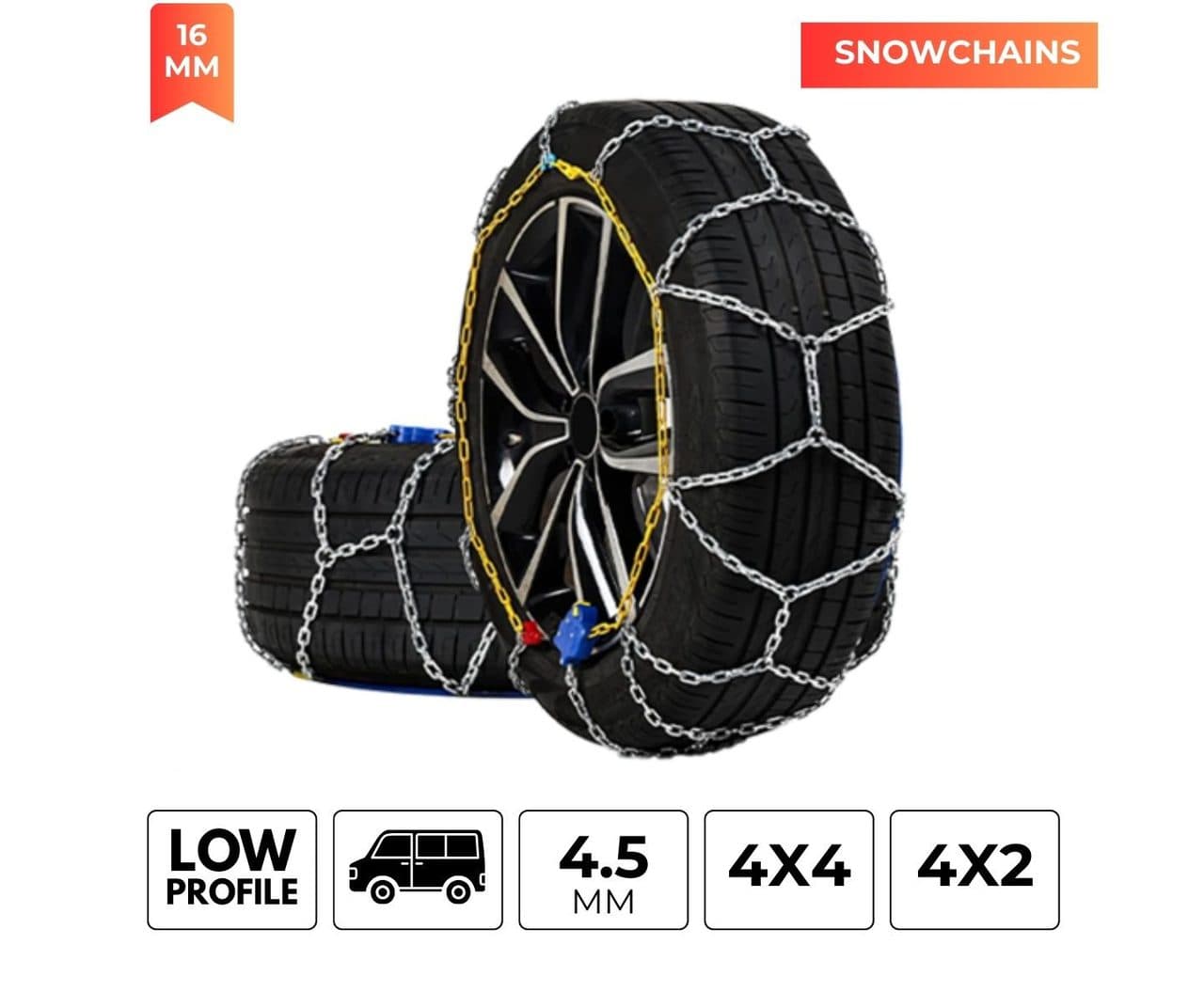
TractionX AX220 Snowchains combine rugged performance with smart convenience, featuring an…
Price
₹19,460
Fits: Toyota Hilux
TractionXsnow chains
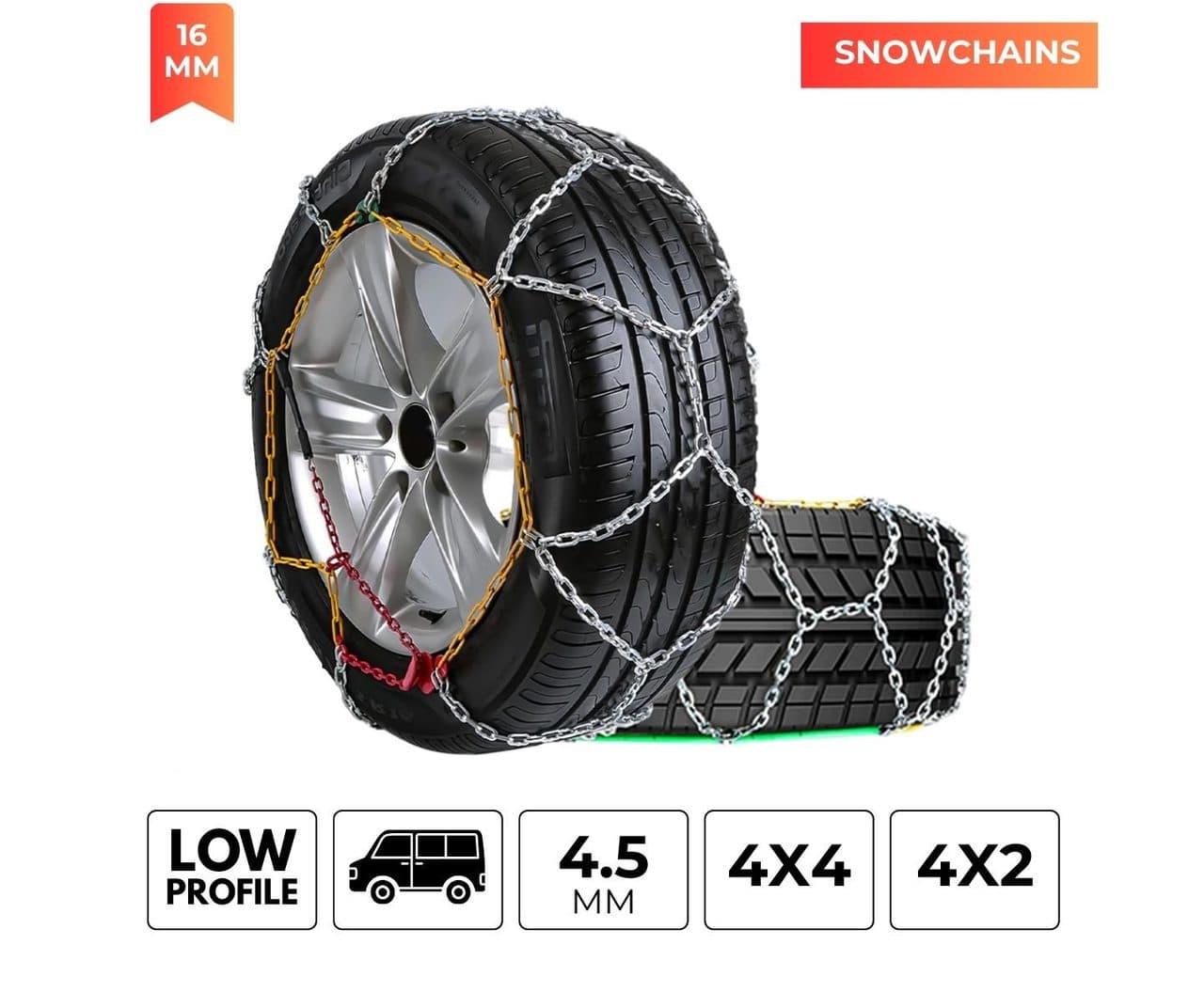
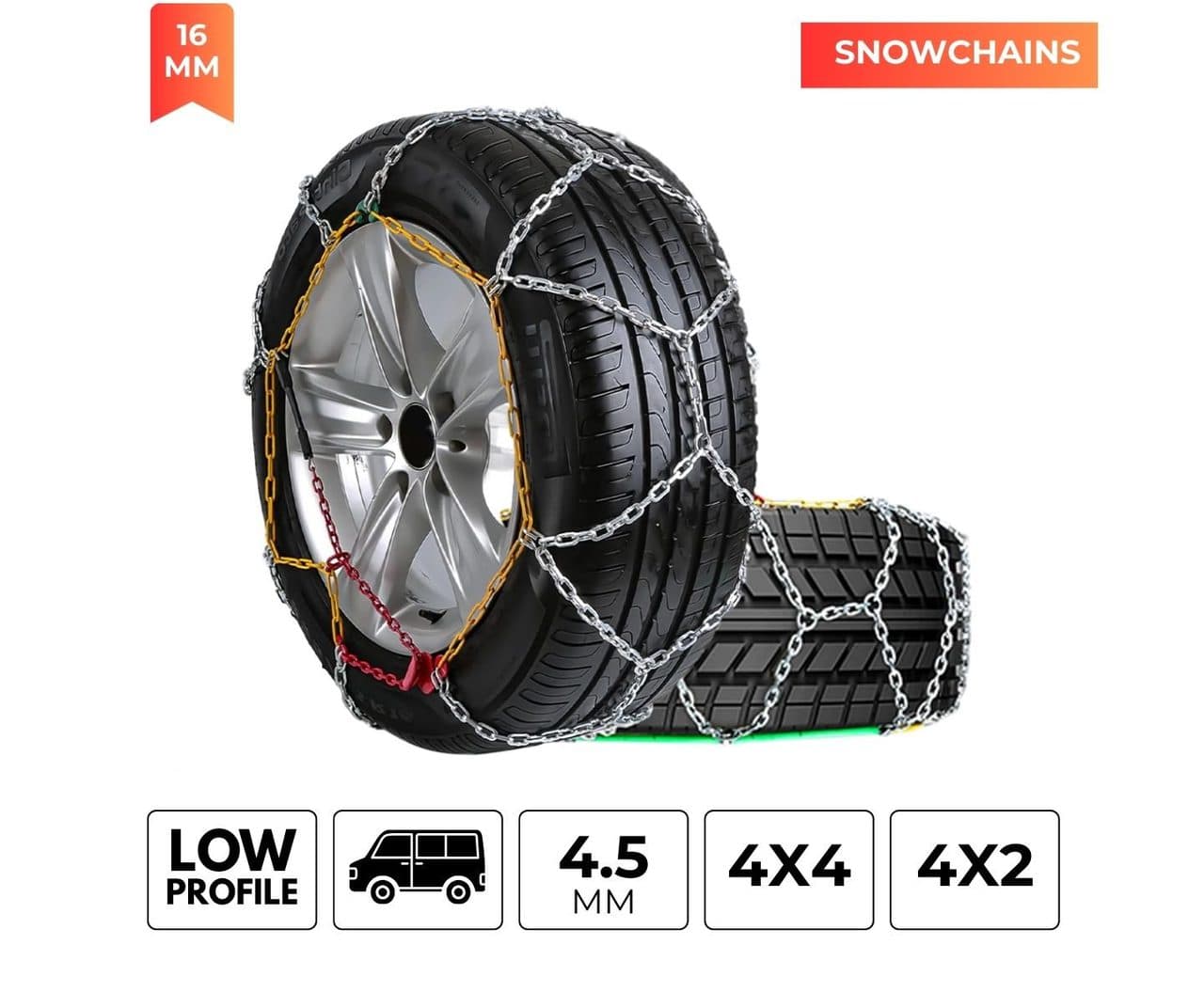
TractionX MX160 Snowchains offer reliable traction, quick installation, and long-lasting…
Price
₹10,620
Fits: Toyota Fortuner · Toyota Hilux
TractionXsnow chains
Discover the TractionX MX180 —engineered for powerful performance, durability, maximum grip,…
Price
₹10,788
Fits: Toyota Fortuner · Toyota Hilux +1
SaberLightawnings
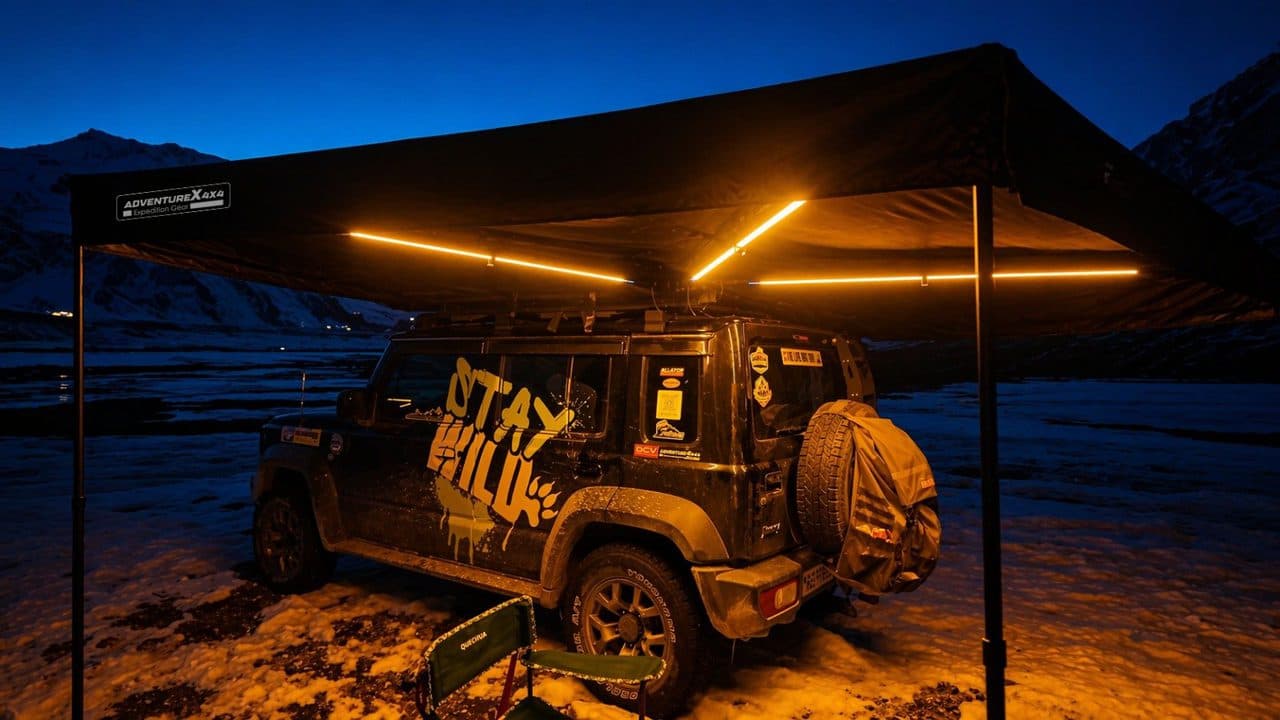
The AdventureX4x4 SaberLight V2 270° Freestanding Awning is designed to transform your vehicle…
Price
₹69,990
CampToprooftop tents
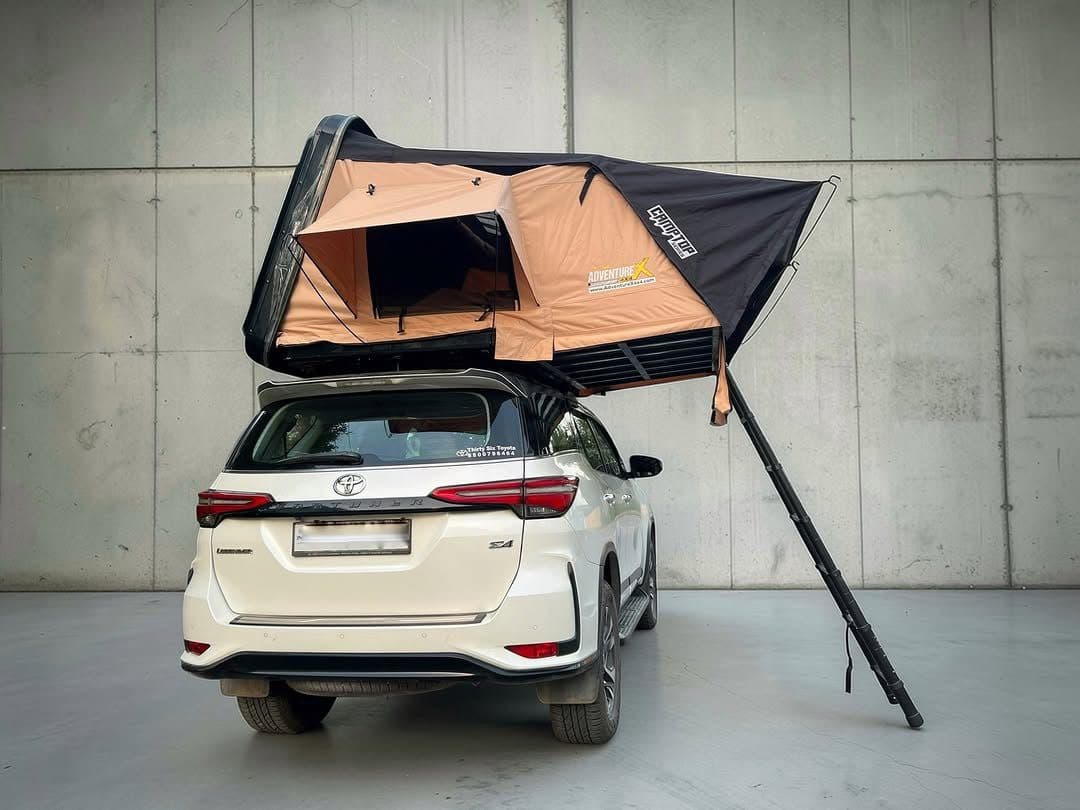
When you demand more space, more comfort, and uncompromised strength, the CampTop 400Max…
Price
₹1,64,990
Fits: Mahindra Scorpio N · Toyota Fortuner +2
CampToprooftop tents
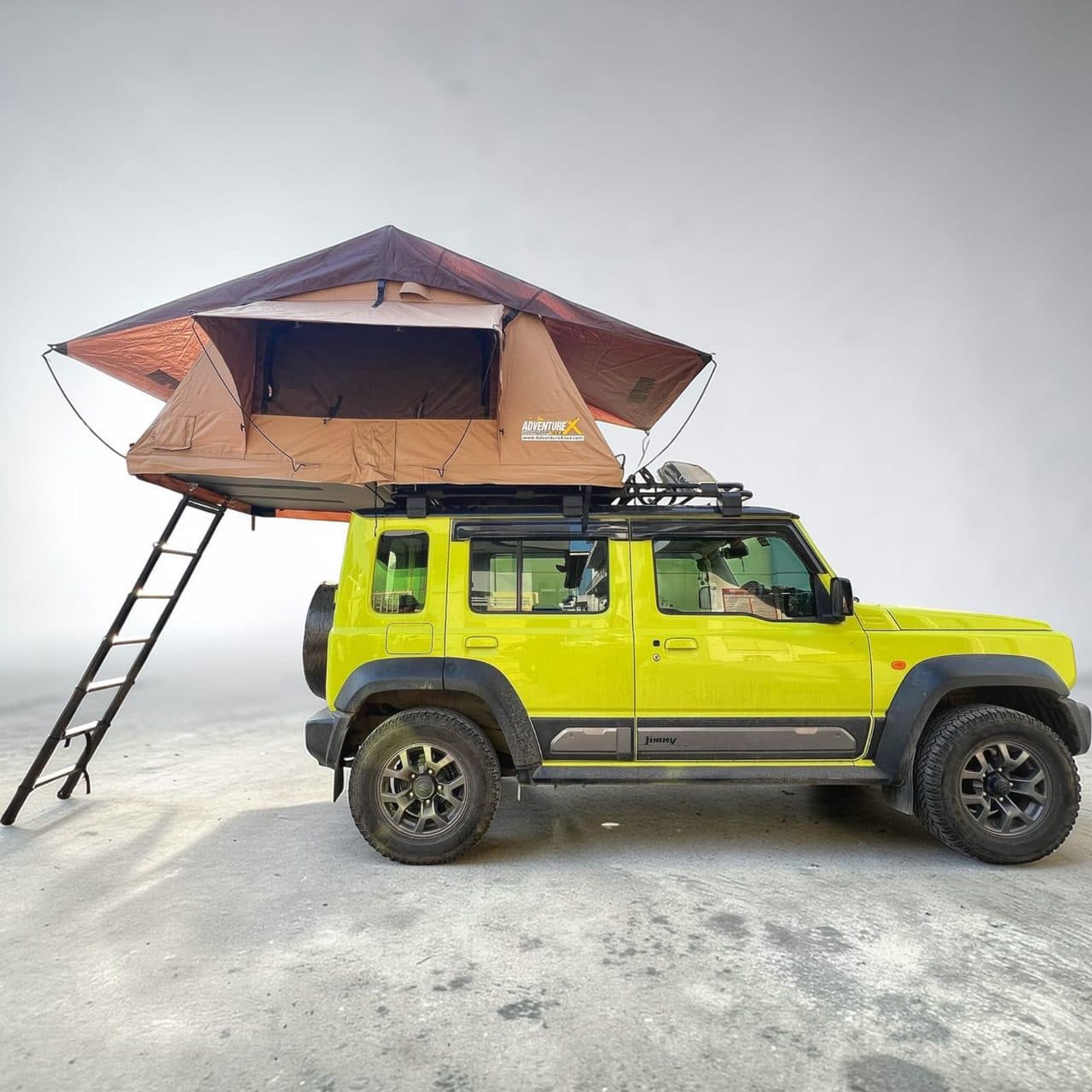
Engineered for serious overlanders, the CampTop 300Lux combines lightweight efficiency with…
Price
₹94,990
Fits: Mahindra Thar · Mahindra Scorpio N +3
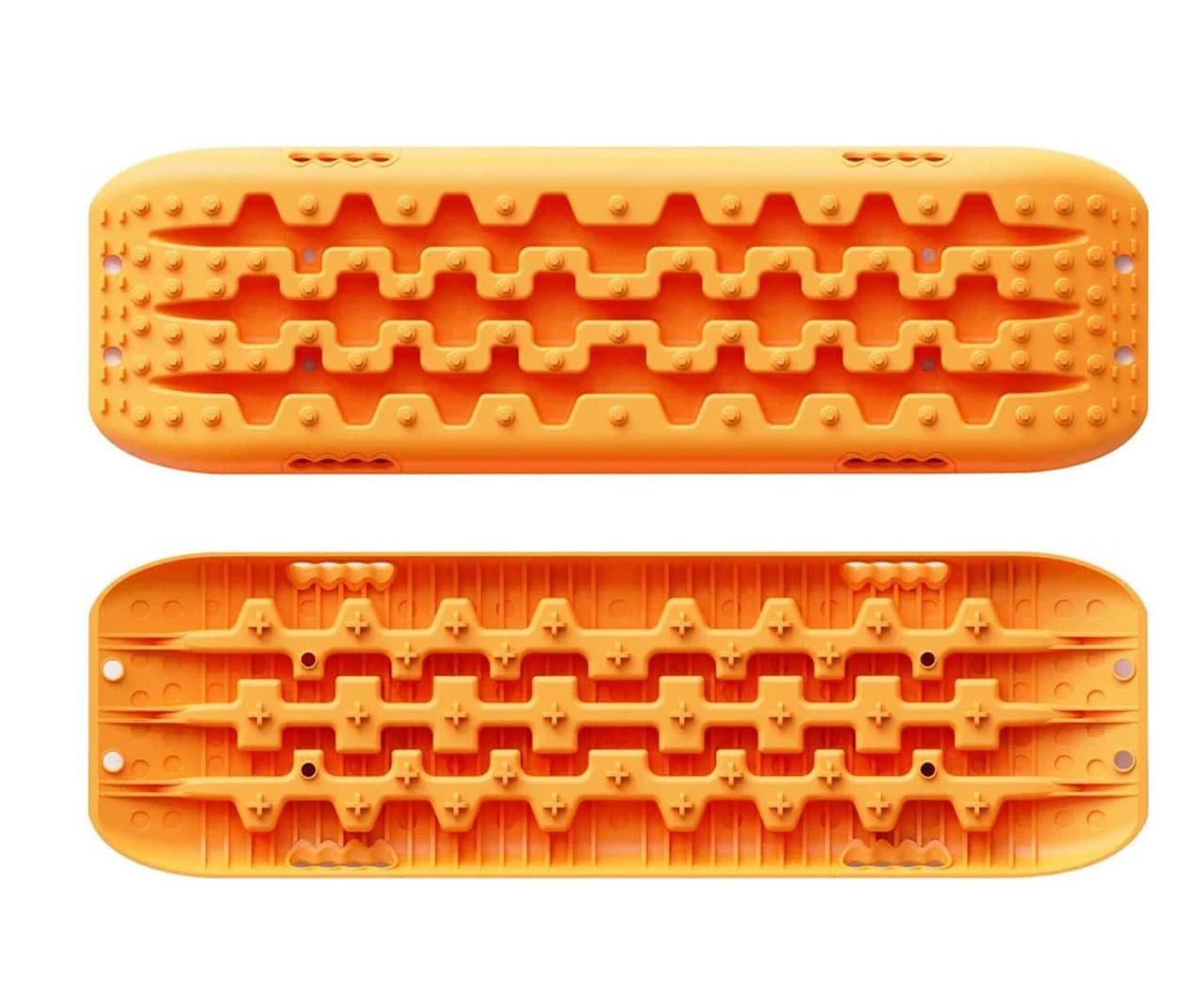
Field gearrecovery
Heavy-duty and lightweight, the ALL-TOP USA Recovery Traction Boards (Orange) deliver superior…
Price
₹12,082
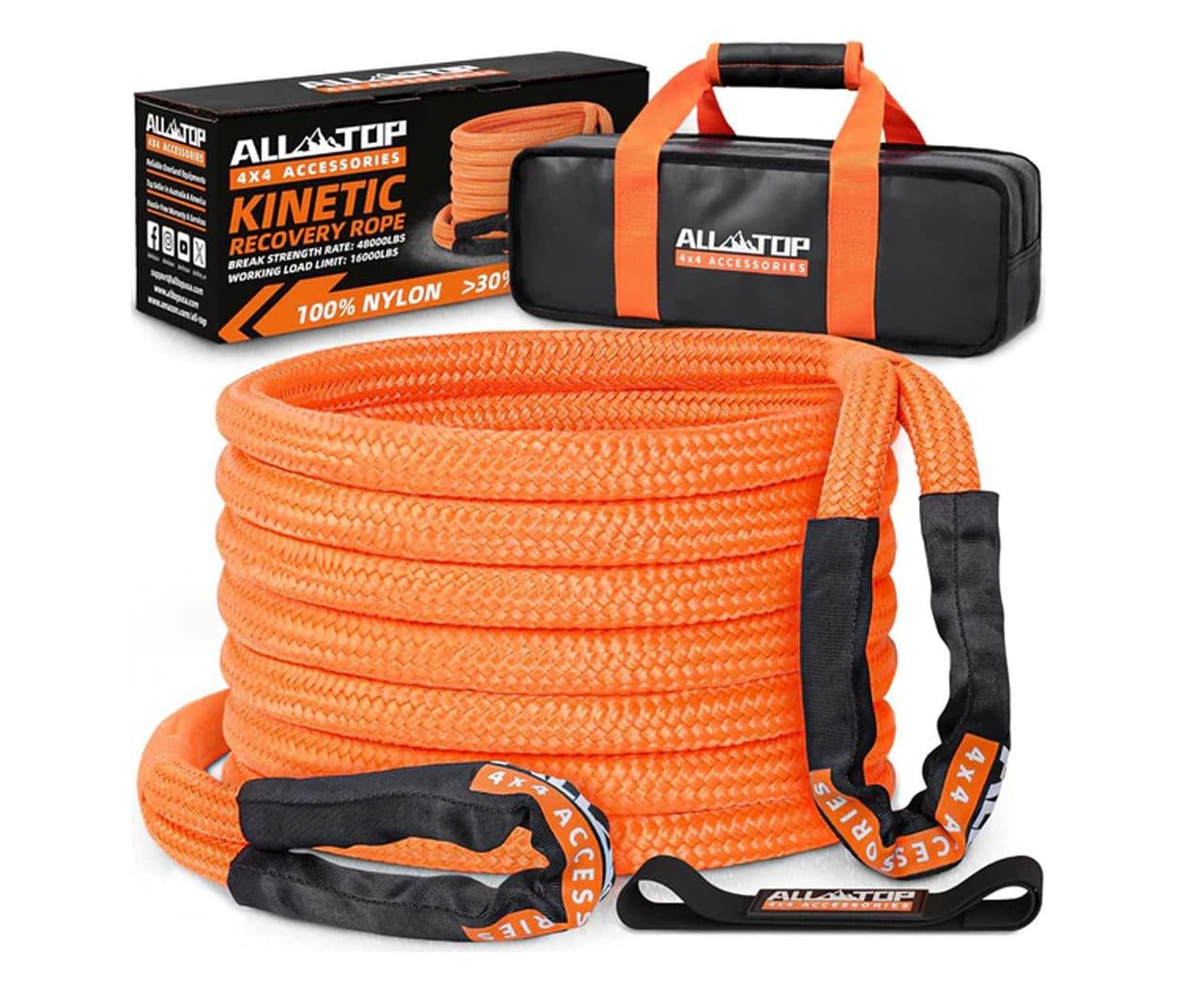
Field gearrecovery
ALL-TOP Kinetic recovery rope, 1in x 20ft, rated at 48,000 lbs. High-visibility orange,…
Price
₹12,866
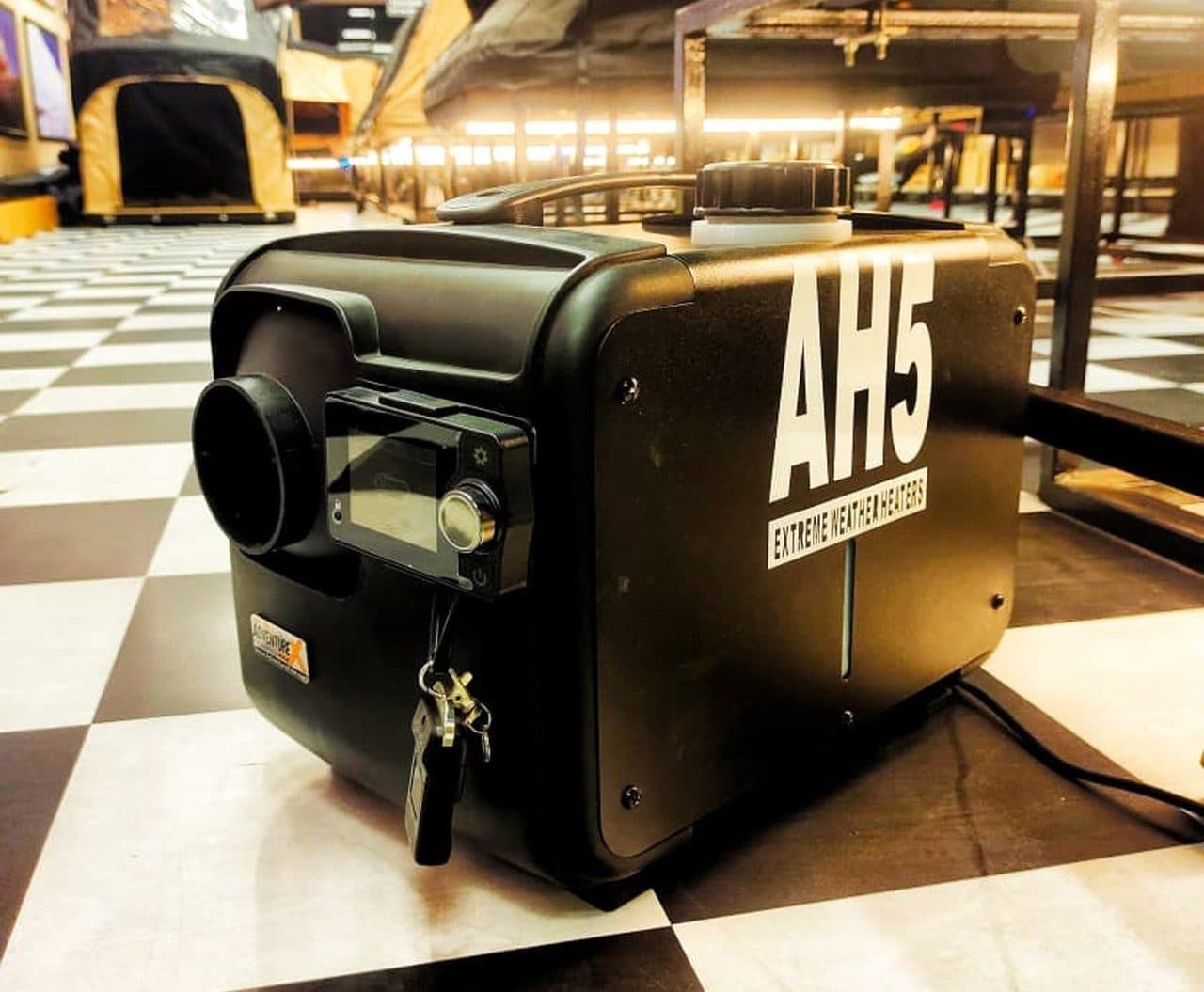
ThermaEvoextreme weather
The Adventure X4x4 ThermaEvo AH5 is a compact, high-efficiency diesel air heater designed for…
Price
₹39,990
The Toyota Hilux earns its reputation the boring way - by not breaking. It is a body-on-frame pickup with a genuine low-range transfer case, a reputation for diesel reliability that holds up at altitude, and a Toyota service network that reaches deep into the towns on the Leh and Spiti circuits. For an overlander, reliability is not a luxury; at 4,000 m, three days from the nearest workshop, a vehicle that simply starts and runs is worth more than any spec on a brochure. That is why the Hilux turns up again and again on serious expeditions across Ladakh, Zanskar and the Northeast.
What sets the Hilux apart from the SUVs people usually build - the Thar, the Fortuner, the Jimny - is the bed. An open load bed is a different design problem and a different opportunity. It is not weather-sealed cabin space, so the first job on any Hilux build is to make it secure and dry; but once you have done that, it becomes the most useful surface on the vehicle. A bed gives you somewhere to lock heavy, dirty, dangerous kit - jerry cans, recovery boards, a compressor, a shovel - completely outside the living space, and it gives you a strong, flat platform to carry a rooftop tent without raising the roofline of the cab.
So a Hilux build runs in a different order from an SUV build. You start at the bed: secure it, then make it a platform, then mount a tent and an awning off that platform, and only then think about the cold-weather and recovery kit that every Himalayan rig needs. The rest of this dossier follows that order, with the real AdventureX4x4 gear we fit on the Hilux and the numbers behind each choice.
The single most transformative upgrade on a Hilux is a roller shutter over the bed, and our Expedition Series Manual Roller Shutter V2 is built specifically for the Hilux rather than adapted from a generic cover. It is made from heavy-duty aluminium slats with a UV-resistant black powdercoat finish in premium matte black, and the construction is dustproof and waterproof - which on the Leh-Manali highway, where fine grit gets into everything, is not a marketing line but the difference between clean kit and ruined kit. A reinforced lock and engineered metal handle and gears give you smooth, rattle-free operation even on a corrugated track, and theft security when the truck is parked in a town overnight.
The number that matters is the load rating: up to 300 kg. That is what turns the shutter from a lid into a platform. You can stand on it, sit on it, set up camp on it, and crucially you can mount racks, a rooftop tent or an awning on top of it. At 35 kg it is a substantial piece of kit, but it is carrying that weight low over the chassis, which is exactly where you want mass on an overland build. Pairing the shutter with the bed means the heavy, dense items ride down low and locked, and only the tent goes up high.
To carry a tent over that shutter you need crossbars, and the CrossTrail aluminium pressure-diecast bed crossbars are engineered for the Hilux for exactly this job. They are a pressure die-cast aluminium structure - strong, corrosion-resistant, and designed to flex as little as possible under a loaded tent on a rough track, which is what stops a rooftop tent shifting and rattling. They weigh 10 kg, include height adjustment so you can set the tent at a sensible clearance, and carry a one-year warranty (SKU AX-ALCB-THLX). The combination of shutter plus CrossTrail bars is the foundation of the whole build: a locked, dry, weatherproof bed that doubles as a 300 kg-rated tent platform.
The Toyota Hilux is a heavy, long pickup, and in India it is almost always the automatic (AT) variant - which is exactly what the TractionX AX220 is built for. Our fitment ladder lists the AX220 against the Land Cruiser, Prado, Hilux (AT build) and custom 4x4s, because they share a large-diameter tyre envelope and the weight that demands an automatic, auto-tensioning chain. The AX220 is the convenience choice: it has an auto-tightening system that locks the chain in place as you drive, so there is no kneeling in the snow to retension a manual chain at a 15-percent ice gradient on the Baralacha or the Gata Loops. It comes as a set of 2 chains weighing 9.2 kg, carries the same TUV GS and ONORM V5117 certification as the rest of the line, and uses the same carburised multi-alloy steel - Boron, Titanium, Manganese, Chromium and Carbon, heat-treated for 8 hours at 900C to a Vickers hardness of HV 720-780. The square-link cross-section gives roughly 40 percent more grip surface than a round chain, and the hardened-case, flexible-core build resists brittle snapping down to -25C. If you run a manual-transmission Hilux and do not mind fitting chains by hand, the TractionX MX160 and MX180 also list the Hilux and cost less; the MX180 is the size to choose if you are on oversized AT rubber. Whichever you pick, fit them to the driven axle before the climb, not on the ice itself, and check that they clear your arches at full lock if the truck is lifted.
Fitment data sheet
Here is where the Hilux gets to do something a short-wheelbase SUV cannot. Because a pickup has real payload and a long, flat platform, you can run a genuinely large rooftop tent. The CampTop 400Max is one of the biggest tents in our range - a 7 ft x 7 ft sleeping area on a 400 kg-rated aerospace-grade aluminium frame with a carbon-fibre floor, a thermal-control mattress and a tri-colour dimmable LED bar. On a narrow Thar roof that footprint is a fight; on a Hilux bed it is exactly right, and it turns the truck into a family-capable basecamp. If your trips lean genuinely cold - winter Spiti, high camps on the Ladakh circuit - the CampTop 300Lux is the alternative to look at: a 53 kg softshell with dual heater ports designed to take a diesel heater's ducting, a thermal mattress and an oversized waterproof skylight.
Mount the tent on the CrossTrail bars over the roller shutter, keep it as the only heavy thing up high, and the Hilux carries it without complaint. The mistake to avoid is the same one that catches SUV owners: do not stack a heavy fixed rack, a roof box and a tent all at once. With a pickup you rarely need to - the bed swallows the dense load that an SUV owner is tempted to put on the roof.
The comfort upgrade that finishes the build is an awning, and the 270 SaberLight V2 is the one we fit. It is a true freestanding design with a strong aluminium arm structure that deploys without legs in normal conditions, with optional support legs for high wind. Open, it gives 270-degree wrap-around coverage with a 2-metre radius around the truck - a full covered kitchen and living area - and it sets up in under a minute with single-person operation. The fabric is heavy-duty ripstop with a high waterproof rating and UV resistance, it carries four integrated ambient LED bars and a one-year warranty at 23 kg, and you can add a wall set to convert it into a closed shelter for wind, rain and cold. In practice that means you can cook out of the wind in Kutch, shelter from a Meghalaya monsoon downpour, and keep a dry living space at a Ladakh high camp - all off the Hilux's roofline.
Snow chains are the item people skip and regret, and on a heavy, long pickup they matter more, not less - a loaded Hilux carries momentum down an icy descent that a lighter vehicle does not. For the automatic Hilux that most Indians own, the correct chain is the TractionX AX220 (see the fitment box below): an auto-tightening chain that locks itself in place as you drive, so you are not retensioning a manual chain on a 15-percent ice gradient in the dark. A manual-transmission Hilux, or one on oversized rubber, can run the MX160 or MX180 instead and save money. Carry chains on any Himalayan trip from October to April even when the forecast looks clear - a single overnight snowfall on the Baralacha La or the approach to Sarchu can turn a routine drive into a recovery. Fit them to the driven axle before the climb, not on the ice.
For recovery, build from the ground up rather than buying a winch first. A pair of traction boards and a kinetic recovery rope solve the overwhelming majority of real situations a Hilux finds itself in - bogged in Rann salt, axle-deep in a snowdrift below Pang, or losing grip on a wet Northeast climb. Our traction boards self-rescue with no anchor point and are rated from -25C to 60C, the genuine temperature band a Hilux sees across a year of Indian overlanding. The 1-inch kinetic rope is rated to 48,000 lb with over 30 percent stretch - and on a heavy pickup that stretch matters, because a loaded truck needs a rope that stores and releases energy smoothly rather than shock-loading a recovery point.
Finally, the nights. Above 3,500 m at Sarchu, Pang or Kaza, a tent you cannot heat is a tent you do not sleep in. The ThermaEvo AH5 diesel air heater ducts into the heater ports on the CampTop 300Lux and runs with altitude compensation to 5,000 m, an enclosed combustion system for safe overnight use, and low-fuel and overheat protection. That turns a sub-zero night from something to survive into something to rest through. Put it all together - a secured, platformed bed, a tent the payload can carry, a fast awning, the right chains and a recovery floor - and you have a Hilux ready for the routes that matter. When you want to run a build like this with support, our guided Ladakh Loop expedition crosses exactly this kind of terrain with a mechanic and a backup vehicle in the convoy.
For most Thar owners the Leopard41 is the best pick. At 41 kg it is one of the lightest rooftop tents made, which keeps the Thar's high centre of gravity in check on its short wheelbase, and its DarkShield fabric and thermal-control mattress are built for cold nights. If you camp in genuine sub-zero conditions, the CampTop 300Lux softshell adds dual heater ports and an all-season mattress for 12 kg more. Avoid the very largest tents in the range (CampTop 400Max) on a Thar — their footprint suits a Hilux or Fortuner, not the Thar's narrow, short roof.
The current 2020-onwards Thar runs 255/65 R18 or 255/60 R18 tyres, which take the TractionX MX140 in our fitment ladder — the same size we list for the Scorpio-N Z2–Z4 and the older Fortuner that share that tyre envelope. A pre-2020 Thar BS4 on its narrower factory tyre takes the MX120. If you run a modified Thar on oversized 33-inch rubber, step up to the MX180 and check arch clearance at full lock first. All TractionX chains are TUV GS and ONORM V5117 certified and ABS-compatible.
The Thar's factory roof has a dynamic (driving) load limit of roughly 75 kg — that ceiling covers your crossbars plus the closed tent plus anything strapped on top while moving. The static (parked) load is much higher: a tent's 300 kg base rating refers to people sleeping in it once you have stopped. Because the Leopard41 is only 41 kg, you stay comfortably inside the dynamic limit even with aluminium crossbars. The mistake to avoid is stacking a heavy fixed rack, a roof box and a tent simultaneously — that puts too much dynamic weight high on the vehicle that tolerates it least.
An awning is the single biggest comfort upgrade — the 270° SaberLight is freestanding, wraps around the side and rear, and gives a stock Thar a covered kitchen and living area in under two minutes. A roof rack is optional: the tent and awning mount to a set of aluminium crossbars, which is all most Thar builds need. A full fixed rack adds dynamic weight up high, so on a weight-sensitive Thar we recommend crossbars plus the tent, and keeping heavier items (water, recovery, tools) low and inside the vehicle instead.
Build from the ground up rather than buying a winch first. A pair of traction boards and a 1-inch kinetic recovery rope solve the overwhelming majority of real situations a stock Thar finds — bogged in Rann salt, axle-deep in a Spiti snowdrift, or losing grip on a wet Northeast climb. The boards need no anchor point and both are rated to -25°C, the temperatures the Thar genuinely sees on a winter expedition. Add snow chains for the Himalayan months and a diesel heater for the nights, and a stock Thar is ready for the routes that matter.
Yes — more overland builds in India start on a Thar than any other vehicle. It has a genuine low-range transfer case, a ladder-frame chassis, and Mahindra parts and service that reach the smallest towns on the Spiti and Leh circuits. Its limitations are size and weight sensitivity: it is short-wheelbase, narrow and tall, so a roof tent raises the centre of gravity quickly. Built light — one tent on the roof, heavy items low and inside — it carries you comfortably from Faridabad to Kaza and back.
Build your Hilux
Every item here is built, stocked and backed by AdventureX4x4 — engineered for Indian cold and proven from Spiti to Ladakh. Pick a starting point, or talk to our outfitters about a full Hilux build.
Ask AdventureX4x4
Intelligent gear & trip guide
I'm AdventureX4x4's intelligent assistant — trained on every product we make, every guided expedition we run, and the Himalayan routes they're built for.
Tell me what you drive and where you're headed, and I'll guide you to exactly the right gear — and the trip to match. Ask me anything.