
Destinations
Zanskar Valley and the Frozen Chadar: A Winter 4x4 Perspective
Why the Chadar is a trek, not a drive - and how a winter 4x4 expedition into Zanskar actually works.
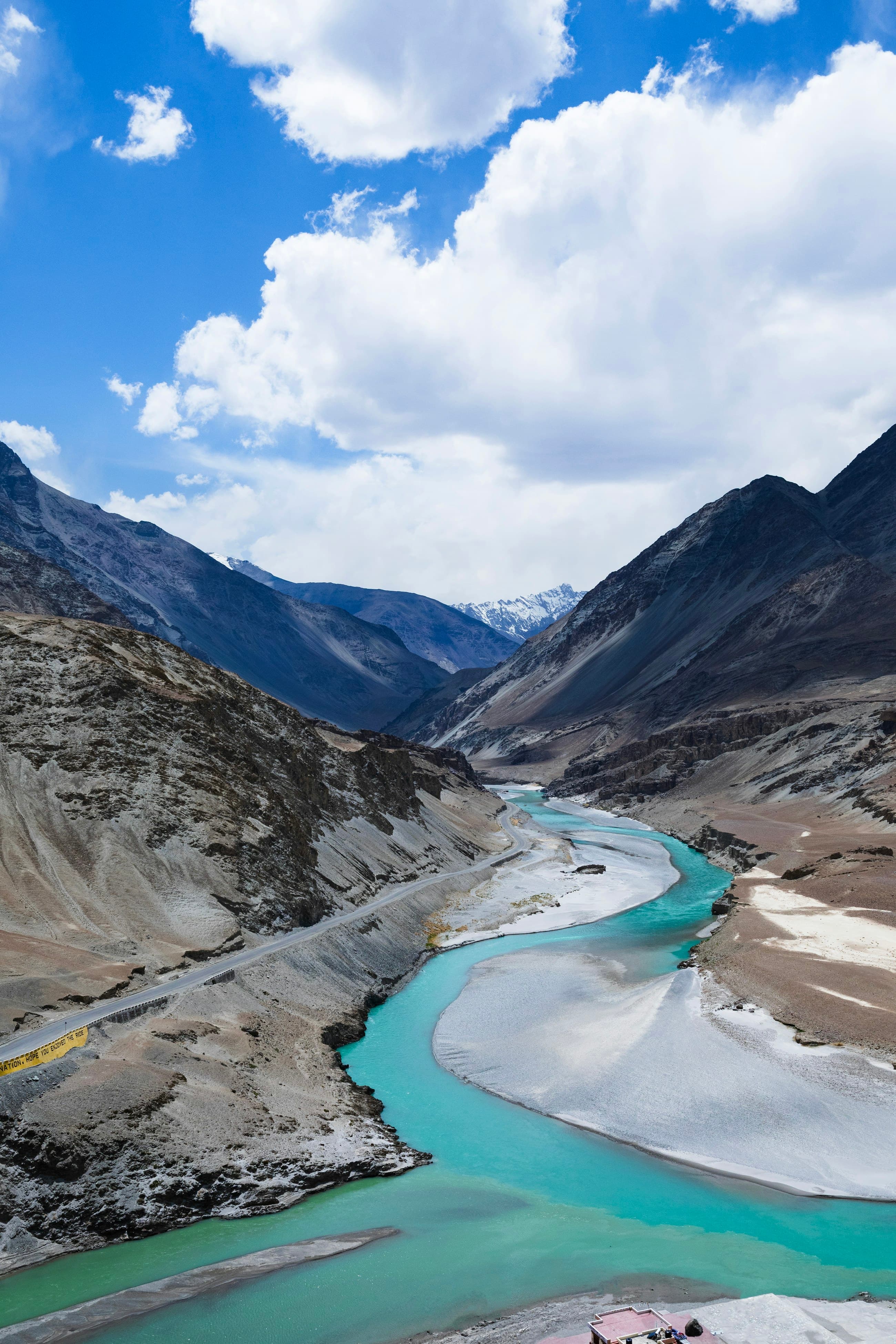
Let us clear up the biggest misconception first: the Chadar, the famous frozen sheet of the Zanskar river, is a trek on foot, not a 4x4 route - the ice is unpredictable, riddled with thin patches and flowing water beneath, and no responsible expedition drives a vehicle on it. What a winter 4x4 expedition into Zanskar actually means is driving the all-weather road as far as it is cleared and open, basing in the valley, and trekking the Chadar from there if you choose. As of recent winters the Nimmu-Padum-Darcha road has opened the possibility of reaching Padum by vehicle in winter when it is ploughed, but it is intermittent, brutally cold and frequently closed by snow. This is the most serious cold-weather driving in India, with temperatures touching -30C, and it is not a trip for a first Ladakh winter.
Why can't you drive a 4x4 on the Chadar?
The Chadar forms when the Zanskar river freezes over in deep winter, but it is never a uniform, solid road. The ice thickness changes hour to hour with temperature and current; there are open leads of black flowing water, fresh fractures, and sections where the sheet is centimetres thick over a fast, deep, lethally cold river. Local guides read the ice by sound and colour and still cross on foot, spreading their weight, ready to retreat. Putting one to three tonnes of vehicle on that surface is suicidal and illegal in spirit if not always in letter. Anyone who tells you they will drive you across the frozen river is endangering your life. The Chadar is walked, traditionally by Zanskari people as their only winter link to Leh, and now as a guided trek in January and February.
Think about the physics for a second. A trekker on foot puts perhaps 80 kg through two boots, and even then guides spread the line out so no two people load the same plate of ice at once. A loaded Thar or Gurkha puts 2.5 to 3 tonnes through four contact patches the size of your palm. Ice that comfortably holds a walking line can fail instantly under a wheel, and a vehicle through the ice into a fast, deep, near-freezing river is not a recovery - it is a fatality. There is no winch, no kinetic rope, no recovery board that helps you here, because the failure is not getting stuck, it is going under. This is the one place in Indian overlanding where the correct piece of equipment is your own good judgement and the answer is simply no.
How does a winter 4x4 trip to Zanskar work then?
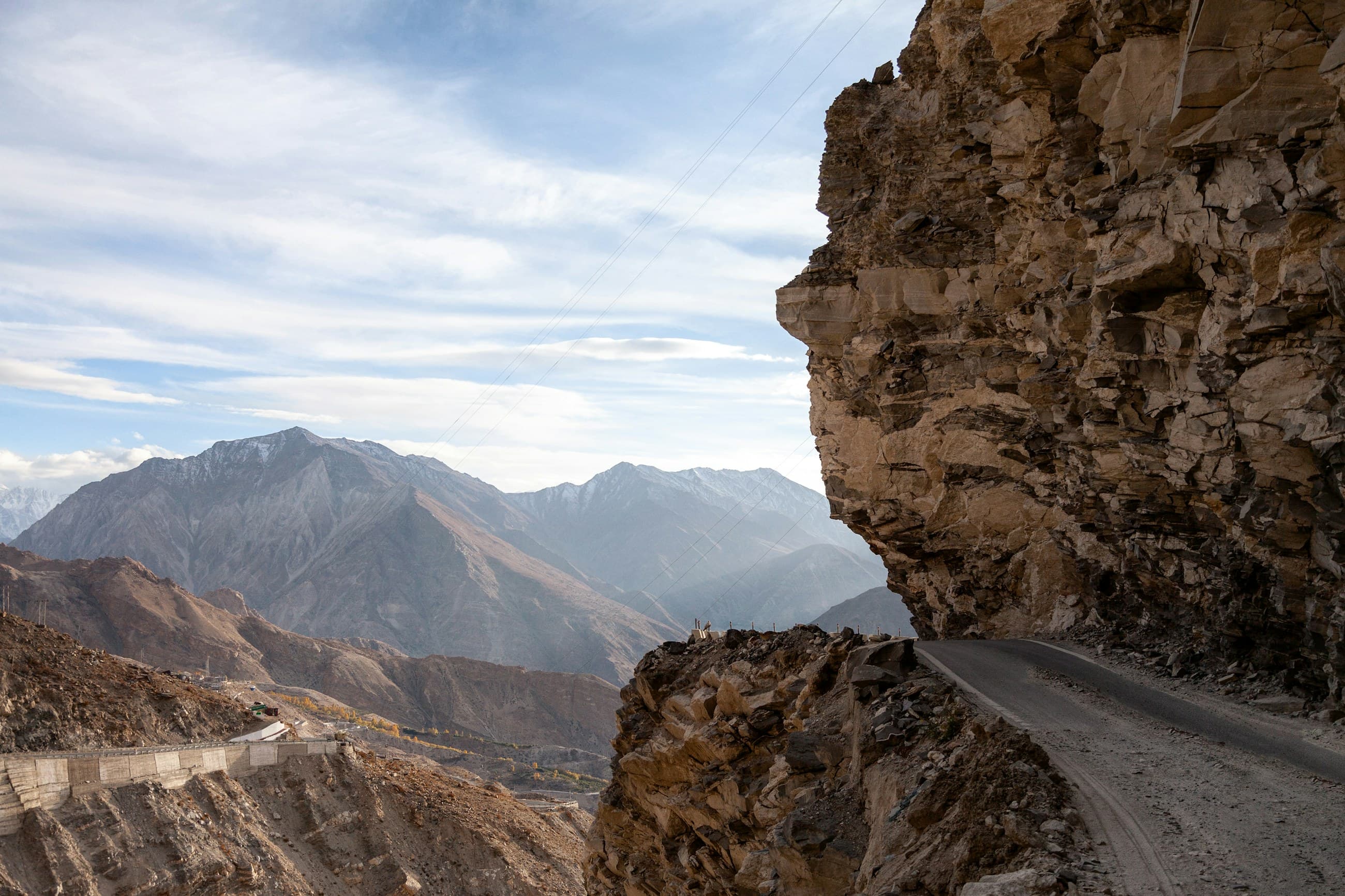
The realistic winter 4x4 objective is reaching the Zanskar valley by the road that is being progressively kept open, and using the vehicle as your warm, mobile base. The Nimmu-Padum-Darcha highway, when ploughed, can in principle connect to Padum in winter, but the BRO opens and closes it with the snow, so you go expecting delays measured in days, not hours. More commonly, winter Zanskar trips drive the open Leh-to-Chilling section, set up at the trailhead, and the group then treks the Chadar with a local team while the vehicle waits. The driving that is open is on hard-packed snow and ice, demanding snow chains, low tyre pressures and total caution on the shelf roads above the river.
- The Chadar is a foot trek in January and February, never a vehicle route.
- Winter 4x4 means driving the cleared road to the valley and basing there, not crossing ice.
- The Nimmu-Padum-Darcha road can reach Padum when ploughed, but opens and closes with the snow.
- Expect -25C to -30C, hard-packed ice roads, and frequent multi-day closures.
- This is expert-level winter overlanding, not a first Ladakh winter trip.
A realistic winter Zanskar plan looks like this. Fly into Leh and give yourself three or four full days to acclimatise - winter Leh itself sits near -15C at night and you will be going higher and colder. Stage your vehicle and gear, confirm the road and weather picture with locals and the BRO rather than a forecast app, and accept that the objective may change. From Leh you drive the Indus and then the Zanskar gorge on the cleared road as far as Chilling and the Chadar trailhead, basing there in the warmth of the vehicle and the homestays while the trekking team reads the ice. If the Nimmu-Padum-Darcha line is open and ploughed, Padum becomes a possibility - but you build the itinerary so that not getting through is a disappointment, never a disaster. The vehicle is your shelter, your warmth and your retreat; it is not the thing that crosses the river.
What does the vehicle need for a Zanskar winter?
Snow chains are non-negotiable - a set of TractionX chains on the driven axle is what lets you climb and brake on the ice shelves above the Zanskar. Air down to around 18 to 20 psi for grip on packed snow. You need a diesel that will start at -30C, which means a healthy battery, winter-grade diesel or anti-gel additive to stop the fuel waxing, and ideally a block heater or a sheltered overnight park. Carry a full recovery kit, a shovel, and traction boards, plus the discipline to turn back when the BRO closes the road or the weather shuts in. We run dual batteries and keep the cells warm overnight, because a no-start at -28C with no help for 100 km is a genuine survival situation, not an inconvenience.
Get specific about the cold-start problem, because it is the one that ends Zanskar trips. At -28C, ordinary diesel can gel in the lines and filter, the battery loses a large share of its cranking power, and engine oil thickens toward treacle. The defences are layered: winter-grade fuel or a generous dose of anti-gel additive from the start, a battery you have load-tested before the trip and keep warm overnight, and a park that shelters the vehicle from wind and, ideally, points it nose-out so a push-start downhill is possible if all else fails. We run dual batteries partly so that one weak crank does not strand the rig. The brutal truth is that a vehicle which will not start at -28C, 100 km from the nearest help, is not a broken-down car - it is the failure of your shelter and your retreat at once. Everything about the winter prep exists to make sure the engine turns over every single morning.
How do you stay alive and warm out there?
At -30C, your margin for error is small. Sleeping is mostly in homestays in Zanskari villages, which is both warmer and the right way to support the community - the famous Zanskari hospitality and the bukhari (wood stove) are part of the experience. If you must sleep in the vehicle, a four-season system rated well beyond -20C, a heater used with strict ventilation, and an insulated rooftop or hardshell setup are the minimum. Frostbite and hypothermia are the real risks: cover all skin, change wet layers immediately, and never sweat into your base layers. Hydration is sabotaged by the cold because you do not feel thirsty, yet the dry air dehydrates you fast - force fluids. And know the signs of carbon monoxide poisoning if you run any heater in an enclosed cabin.
If you do run a hardshell setup rather than a homestay, build the sleep system the way we build it for any -25C-and-colder night: a high R-value mattress under you so the cold floor cannot steal your heat, a genuine four-season bag, an insulated liner to cut condensation, and the ThermaEvo for the edges of the night - warmed for twenty minutes at bedtime and again before the pre-dawn wake-up, never sealed, never unattended, always with a vent cracked and a carbon monoxide detector running. But understand the honest order of preference here: in a Zanskari winter the homestay and its bukhari are warmer, safer and the right thing to do, and we choose them first. The vehicle sleep system is your fallback, built properly, for the nights when you are out on the road between villages and a warm room is not an option.
Every winter someone asks me to drive them across the Chadar. The answer is always no. You walk the river the way the Zanskaris have for centuries, and you drive only where the road is. That line keeps people alive.
When and how should you plan a Zanskar winter expedition?
Deep winter, mid-January to late February, is when the Chadar is walkable and the cold is at its most extreme. You must acclimatise in Leh for several days first - winter Leh itself sits near -15C at night, and you go higher from there. Build huge buffers into the plan for road closures and weather; a Zanskar winter trip with no spare days is a trip that fails or, worse, traps you. Go with experienced local guides for any ice trekking, register your plans with the authorities, and treat every forecast as provisional. This is the apex of Indian winter overlanding and it demands humility, the best cold-weather gear you can get, and a willingness to abandon the objective when the mountains say no.
- Best window: mid-January to late February for the Chadar trek and the deep freeze.
- Acclimatise in Leh first; even Leh is around -15C at night in winter.
- Build multi-day buffers for road closures - never plan a tight winter itinerary.
- Use experienced local guides for any river trekking and register your route.
Frequently Asked Questions
Can you drive a car or 4x4 on the frozen Chadar?
No. The Chadar is a frozen river with constantly changing ice thickness and flowing water beneath, and it is crossed only on foot with local guides. Driving any vehicle on it is extremely dangerous and is never done by responsible expeditions. The Chadar is a trek, not a road, and anyone offering to drive you across it is risking your life.
Can you reach Padum by road in winter?
Sometimes. The Nimmu-Padum-Darcha highway can connect to Padum in winter when the BRO has ploughed it, but it opens and closes unpredictably with the snowfall. You should never count on it and must plan for multi-day closures and the possibility of not getting through at all. Build the trip so that reaching Padum is a bonus, not the make-or-break objective.
How cold does Zanskar get in winter?
Zanskar regularly falls to between -25C and -30C in January and February, and colder in the most extreme spells. This requires winter-grade diesel or anti-gel additive, a heated or sheltered vehicle, snow chains, and the best cold-weather sleeping and clothing systems you can obtain. At these temperatures, small mistakes - a wet layer, a weak battery, a skipped meal - escalate fast, so the margin is built from a hundred small disciplines, not one big one.
Is a winter Zanskar trip suitable for beginners?
No. This is expert-level cold-weather overlanding. You need prior high-altitude winter experience, full snow-driving gear including chains, several days of acclimatisation, generous buffer days, and local guides. It is not a suitable choice for a first Ladakh trip or a first winter expedition. Earn it on something less extreme first - a winter Spiti run with a guided group is the natural stepping stone.
Put it into practice
Headed this way? We run guided expeditions on these routes - permits, recovery and a mechanic all handled.