
Stories
Testing at -25C: How AdventureX4x4 Validates Gear Before It Ships
Before any AdventureX4x4 tent ships, we freeze it, vibrate it, and break it on purpose. Here is our full validation process.
No AdventureX4x4 product reaches a customer until it has survived a deliberate campaign to destroy it, including a full cold soak at -25C, sustained highway vibration testing, and a wind-load run that mimics a vehicle doing 110kmph in a crosswind. We do this because India is one of the harshest validation grounds on earth: a single rig might see a -20C night in Spiti, 45C in Rajasthan, and salt-laden coastal air on the same trip. This is exactly how we test, what has failed, and why we would rather break a tent in Faridabad than have it fail a customer in Ladakh.
The philosophy behind all of it is simple and a little ruthless: we are not trying to confirm that a tent works, we are trying to find the conditions under which it does not, on our own bench in Faridabad, where a failure costs us a redesign instead of stranding a family on a frozen pass. A showroom demo proves nothing - any tent opens and closes in a warm hall. What we want to know is whether it still opens at -25C with frozen struts, whether it is still bolted together after two weeks of corrugated road, and whether the seams still hold when a Spiti snowstorm is driving water at them sideways at 2am. So the validation campaign is built to attack the product on every axis India throws at it - cold, vibration, wind, water, and the human realities a lab cannot fake - and a product only ships once it has survived all of them. Here is each stage, what it caught, and what we did about it.
The Cold Soak: Why -25C Is The Number
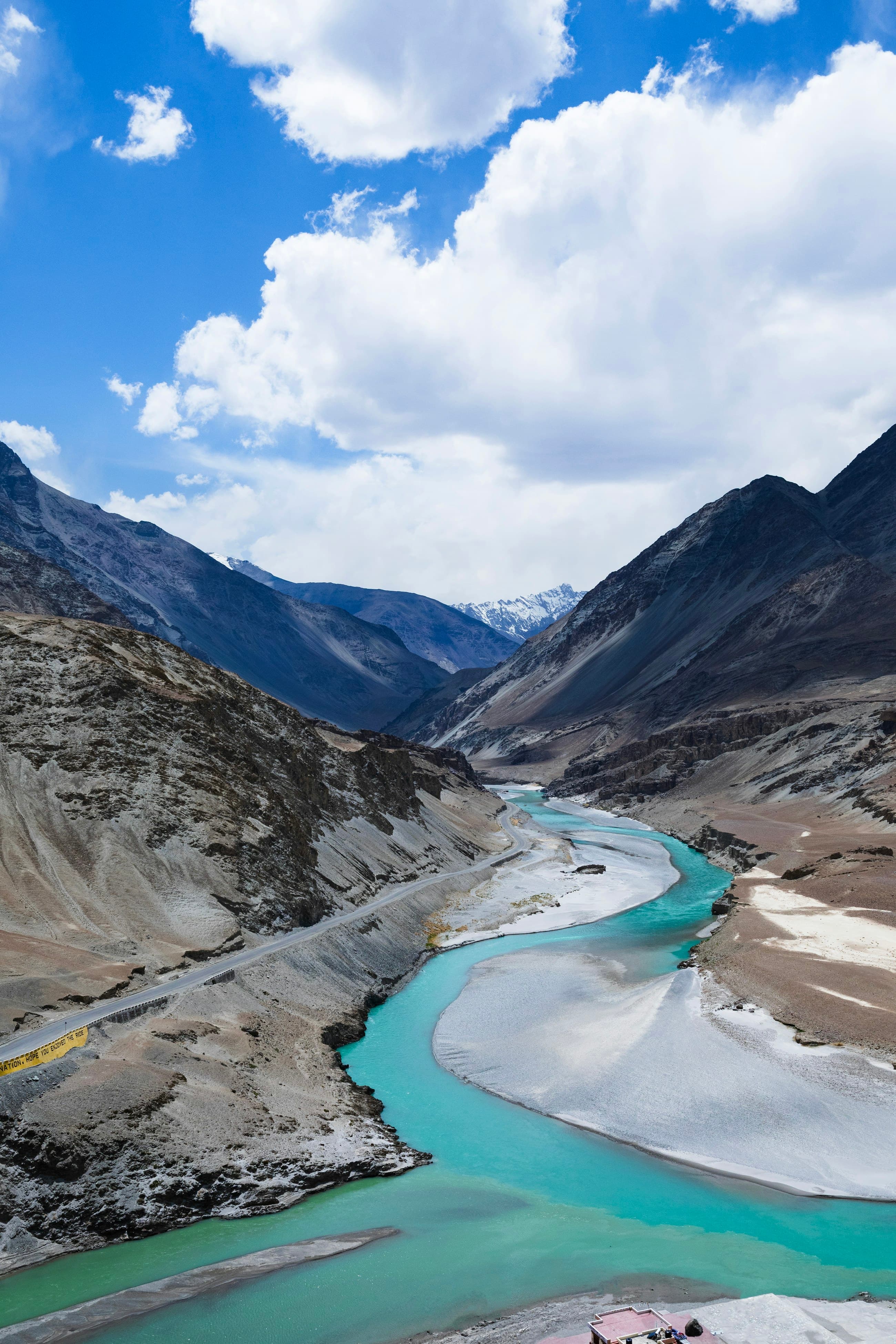
We pick -25C because it is roughly the worst real night an Indian overlander will face, on a high pass in deep winter near places like Sarchu or the upper Spiti valley. Cold does cruel things to gear. Zippers stiffen, plastics turn brittle, gas struts lose pressure, and fabrics that felt supple at room temperature crack like papad. We put complete tents in a cold chamber, hold them at -25C for a full night, and then operate every mechanism while they are still frozen. If a latch snaps or a strut refuses to lift the shell, it fails, and we redesign.
- Full overnight cold soak at -25C, then live operation of every zip, latch, and strut while still frozen.
- Zipper pulls and sliders cycled hundreds of times cold to confirm they do not crack or jam.
- Gas struts measured for deployment force at temperature to ensure the shell still opens at altitude.
- Mattress foam flex-tested cold so it does not go board-stiff under a sleeping body.
The detail that makes the cold soak honest is that we operate everything while it is still frozen, not after it has warmed back to room temperature in the chamber doorway. The reason is physics: cold changes material properties while the cold lasts. A gas strut loses internal pressure as it chills, so it pushes with less force exactly when a frozen, stiff shell is hardest to lift - which is why we measure deployment force at temperature, to be sure the shell still opens at altitude on the coldest morning rather than sulking half-raised. Plastics that are tough at 25C turn brittle in deep cold, so a latch that survives a warm pull can shatter on a frozen one. Zippers are a classic failure point - the lubricant stiffens, the slider drags, and a pull tab that is fine warm can crack off cold - so we cycle pulls and sliders hundreds of times at -25C looking for exactly that. Even the mattress foam gets flex-tested cold, because foam that goes board-stiff is a miserable, sleepless night under a tired body at altitude. If anything snaps, jams or refuses, it does not get excused as an edge case; it gets redesigned.
Vibration: The Silent Killer Of Roof Gear
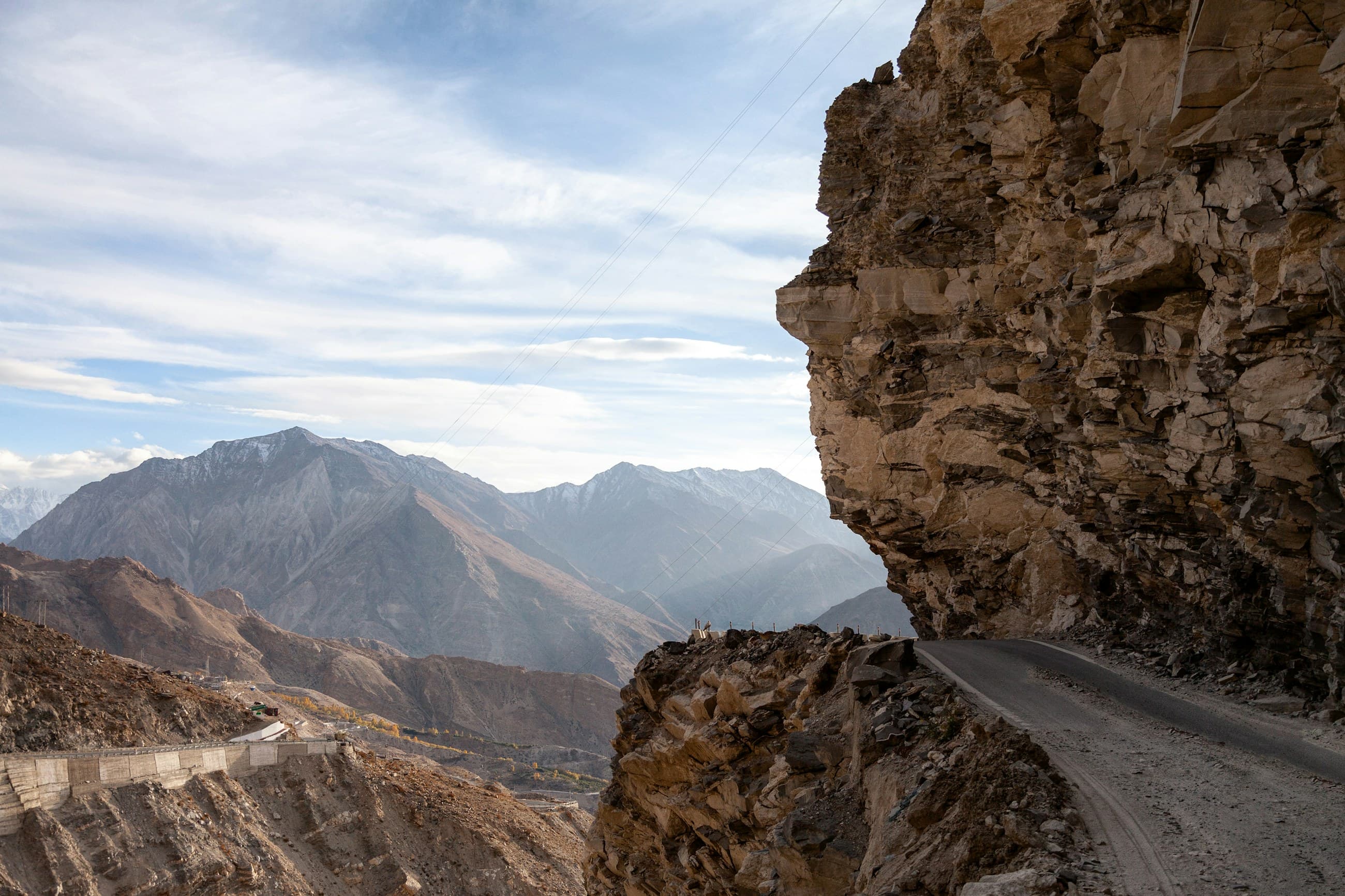
Most rooftop tents do not die from one dramatic event. They die from a thousand kilometres of corrugated road slowly loosening every bolt. We run our shells on a vibration rig that reproduces the frequency of a loaded Thar pounding down a broken Himalayan highway, and we run it for the equivalent of a long expedition. Then we check every fastener, weld, and hinge. This is how we caught a hinge that was perfectly strong in a static pull test but worked itself loose under sustained buzz. The fix was thread-locking compound and a redesigned bracket, and it never would have shown up in a showroom demo.
A static test tells you a part is strong. A vibration test tells you whether it is still strong after the road has been chewing on it for two weeks. We trust the second number.
Vibration is the silent killer because it attacks the joints, not the parts. A bracket can be plenty strong in a single hard pull and still walk its bolt loose over a few hundred kilometres of corrugation, because each tiny buzz lets the threads creep a fraction until the fastener backs out and the joint starts to knock - and a knocking joint fails fast. That is exactly the failure mode the hinge above represented: faultless in a static pull, quietly loosening under sustained road frequency, the kind of thing that would never reveal itself in a showroom but absolutely would on the corrugated run down to Kaza. The fix tells you how we think about it - not just a dab of thread-locking compound on the offending bolt, but a redesigned bracket so the joint is robust by design rather than rescued by glue. We tune the rig to the real frequency of a loaded Thar on a broken Himalayan highway and run it for the equivalent of a long expedition, then go over every fastener, weld and hinge looking for the one that moved. The second number - still strong after the road has chewed on it - is the only one we trust.
Wind And Water: The 110kmph Crosswind Test
A hardshell tent on your roof is a sail you did not ask for. We test deployed and closed shells against sustained airflow that represents a vehicle moving at highway speed into a crosswind, watching for the canvas drumming, the shell lifting, or a panel ballooning. Separately, we run a water-ingress test, because the worst place to learn your seams leak is at 2am in a Spiti snowstorm, which is exactly where an early softshell prototype betrayed us. Today every seam on a shipping tent is taped, and we hose-test before sign-off.
- Closed-shell wind test at highway-equivalent airflow to confirm no lift or drumming on transit days.
- Deployed-shell wind test to verify the canvas and poles hold shape in a gusting camp.
- Spray and pooling water test on every seam, with taped seams now standard after a field leak.
- Snow-load check on the shell roof so a heavy overnight dump does not deform the panel.
Wind and water are really two separate failures the same conditions expose. The wind test runs in two states because the threats differ. Closed and at highway-equivalent airflow into a crosswind, we are watching the transit-day risk: a shell that lifts, drums or works its mounts loose at 110 kmph on the way to the trailhead. Deployed, we are watching the camp risk: canvas and poles that cannot hold their shape in a gusting Ladakh or Spiti valley after dark, where the wind comes up every evening. The water test exists because of a specific betrayal - an early softshell prototype that leaked at 2am in a Spiti snowstorm, which is precisely the place and hour you cannot afford to discover a bad seam. The lesson stuck: every seam on a shipping tent is now taped, and nothing gets signed off until it has been spray-tested and checked for pooling. We add a snow-load check on the shell roof too, because a heavy overnight dump in the mountains puts real weight on the panel, and a roof that deforms or holds a pool of meltwater is a roof that will eventually leak or sag onto the sleepers below.

Field Validation: The Part A Chamber Cannot Replicate
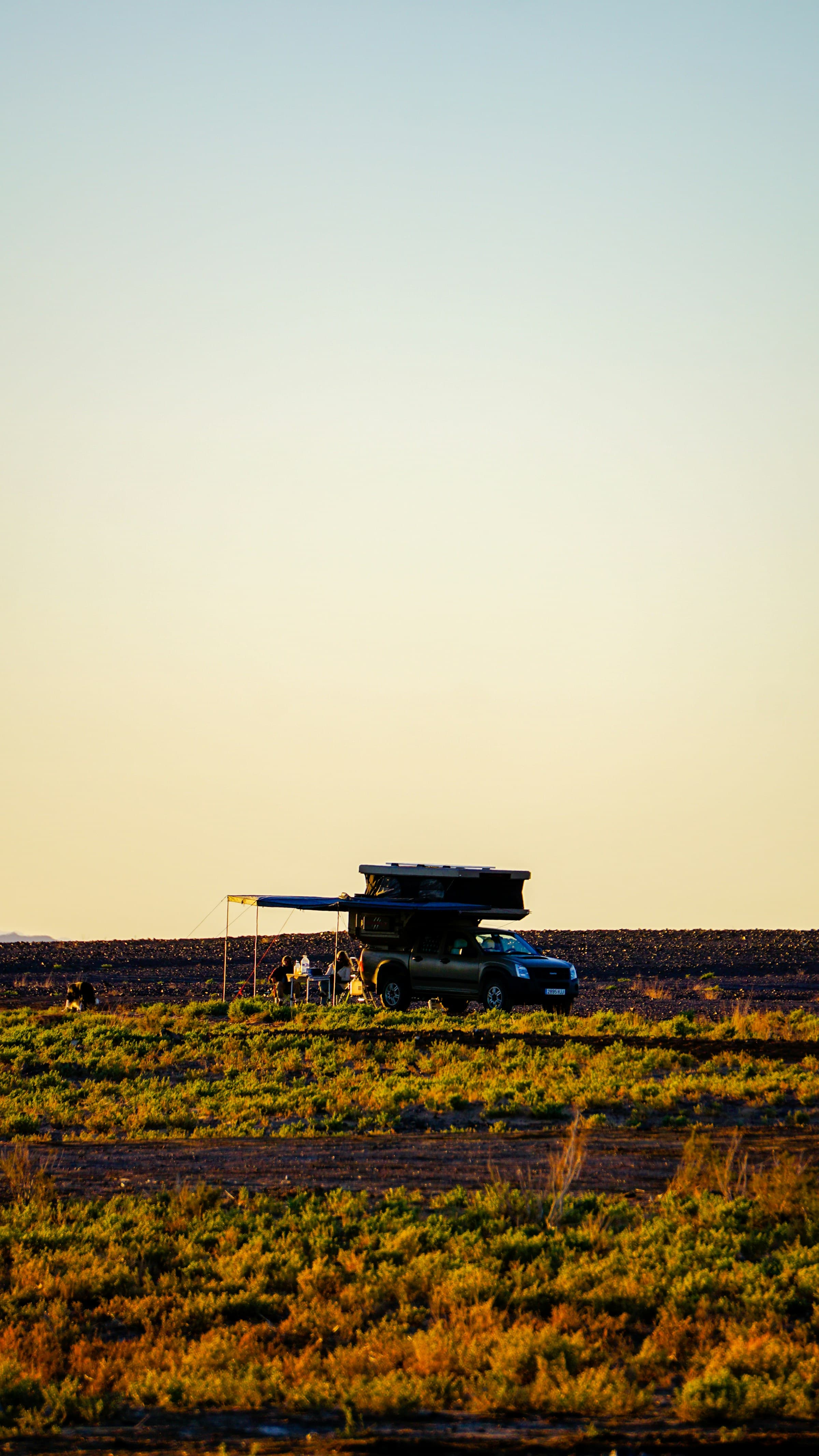
Chambers and rigs are honest but incomplete. A lab cannot reproduce a real Ladakh dawn where the canvas is frozen stiff, your hands do not work, and you are at altitude with a headache. So every product also goes on real expeditions before launch, on our own rigs and with trusted guides, across Spiti, Ladakh, and the Rann. This is where we learn the human things: that a zip pull needs to be usable with thick gloves, that a window flap needs a stiffener so it does not collapse in wind, that a ladder needs a wider step for a tired climber in the dark.
Field validation is where the gear meets the human being using it, and the human being is cold, tired, oxygen-starved and clumsy. A chamber can chill a zipper, but it cannot put that zipper in front of someone whose fingers will not work properly at 4,500 m, in the dark, with a headache, who needs to open the tent now. So the lessons that come back from the Spiti Frozen and Ladakh Loop expeditions are nearly all ergonomic - the things you only discover when a real person operates the product in a real bad moment. A zip pull has to be big enough to grab with thick gloves on, because nobody takes their gloves off at -20C. A window flap needs a stiffener or it collapses and flogs in the wind. A ladder step needs to be wide enough to find with a tired foot in the dark. These are not failures of strength - the lab already proved strength - they are failures of usability, and they are the difference between gear that works on a bench and gear that works at dawn on a frozen pass. That is why nothing launches on chamber data alone.
What We Do When Something Fails
We fail things on purpose, so the real question is what happens next. When a part fails validation, it does not get a quiet patch. We trace the root cause, redesign, and then re-run the entire test campaign on the new version, not just the test it failed. The snapped gas strut on an AutoNest prototype did not just get a stronger strut, it got a secondary mechanical catch so that no single failure can ever drop the shell on someone. That is the difference between fixing a symptom and engineering out a risk.
Two principles govern what happens after a failure, and both matter. The first is root cause over symptom: when that AutoNest gas strut snapped, the lazy fix would have been to fit a beefier strut and move on. Instead we asked the harder question - what if any single strut fails in the field, regardless of how strong we make it? - and the answer was a secondary mechanical catch, so that no one failure can ever drop the shell onto a person below. That is the move from patching a part to engineering out a class of risk. The second principle is re-run the whole campaign, not just the test that failed, because a redesign changes the part's mass, stiffness and behaviour, and a stronger bracket that fixes a vibration problem could, for instance, shift how the assembly handles cold or wind. So a redesigned component goes back through the full sequence - cold soak, vibration, wind, water, field - from the top. It is slower and it is more expensive, and that is exactly the point: we would rather spend that time in Faridabad than have a customer find the gap in Ladakh.
Frequently Asked Questions
Why do you test at -25C when most trips are warmer?
Because it is the realistic worst case on a deep-winter Himalayan pass near places like Sarchu or the upper Spiti valley, and gear that survives -25C is comfortably reliable at the temperatures most customers actually see. We would rather validate against the hardest night you could face than the average one.
Do you test every single unit or just samples?
We validate every design exhaustively through the full cold, vibration, wind and water campaign, and then quality-check production units with spot checks on the line. The destructive testing proves the design; the line checks confirm each batch is built to it.
Has a product ever failed your own testing?
Yes, repeatedly, and that is the point. A hinge loosened under vibration and a gas strut snapped on an early AutoNest prototype, both of which we traced to root cause, redesigned, and re-validated through the entire campaign before any customer saw them.
Can I see the test data before buying?
We are happy to walk serious buyers through our validation approach and the specific conditions we test against, because we would rather you trust the gear than take our word for it. Ask us about the cold-soak, vibration and wind protocols and we will tell you exactly what each tent went through.
How is this different from a CE or lab certification?
A standards certification proves a product meets a defined baseline, which is valuable. Our campaign goes further by validating against the specific extremes of Indian overlanding - a -25C Himalayan pass, the vibration signature of a loaded Thar on a broken road, a 110 kmph crosswind, a Spiti snowstorm - and then proving it again in the field on real expeditions, because the conditions our customers face are harsher and more varied than any single standard assumes.
Put it into practice
Write your own chapter - shop the gear or come drive with us.