
Stories
The AutoNest 120 Story: How We Engineered India's First Auto-Deploying Rooftop Tent
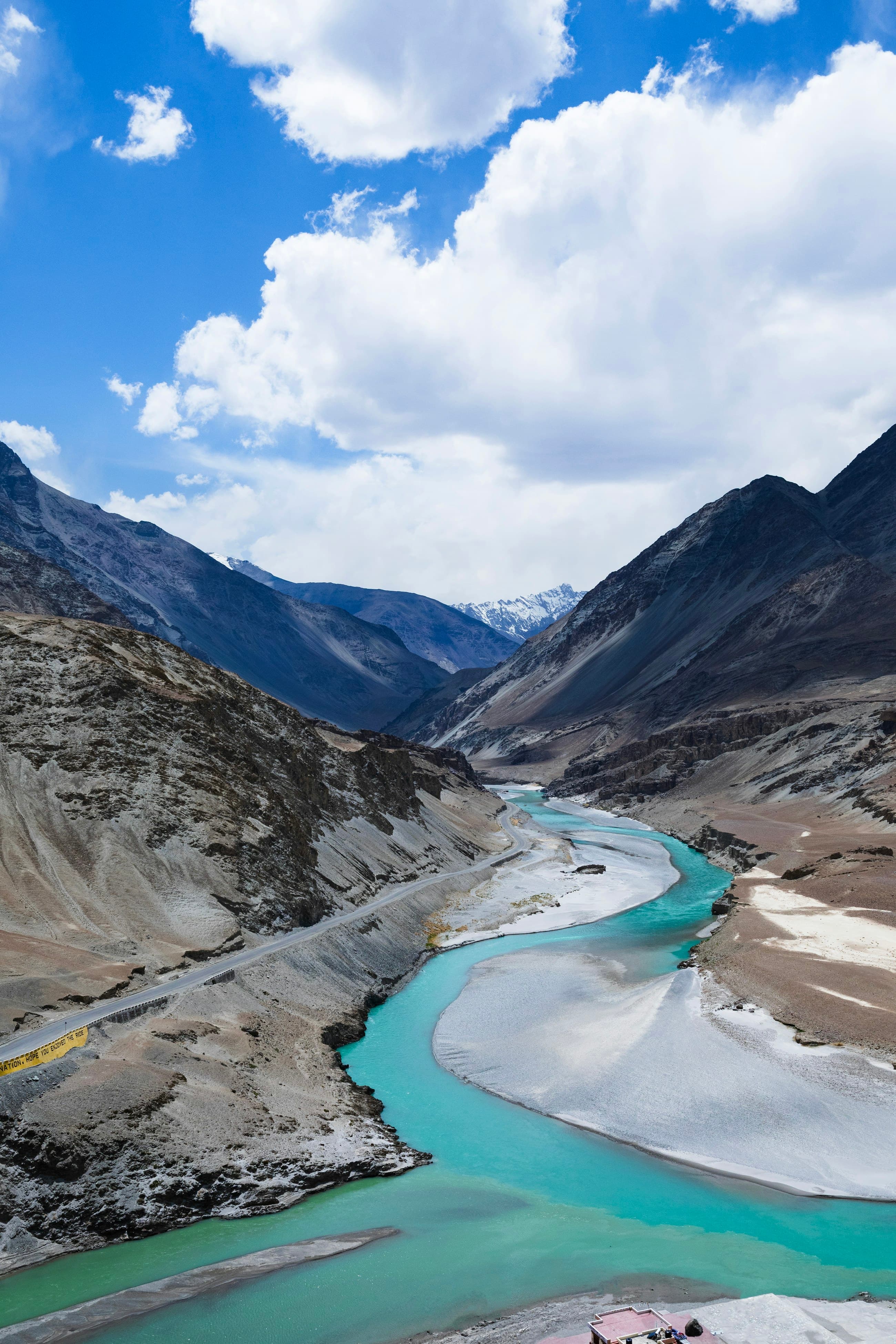
How a stuck tarpaulin at 4,000m in Ladakh became the AutoNest 120, India's first auto-deploying hardshell rooftop tent.
The AutoNest 120 is India's first auto-deploying hardshell rooftop tent, and it exists because of one frozen, miserable night near Pangong in 2019 when our old softshell tent took 22 minutes to pitch in a crosswind. We promised ourselves that the next tent we made would open by itself. Six years, four prototypes, and one snapped gas strut later, the AutoNest 120 does exactly that: pop the latches and the shell rises on its own in under 90 seconds, no poles, no fighting fabric in the dark. This is the full story of how we built it in Faridabad and tested it across the Himalaya.
The Night That Started Everything
We were a small crew on a recce run for what would later become our guided expedition routes. The temperature had dropped to around -12C by the time we reached camp, and the wind off the lake was relentless. Setting up a traditional rooftop tent in those conditions is a two-person job that takes patience nobody has when their fingers have gone numb. I remember standing on the ladder, holding a flapping panel with my teeth while my co-driver wrestled a pole into a grommet. That night the idea was simple and stubborn: a tent should open faster than the weather can punish you for stopping.
What made that night formative was not just the cold, it was the arithmetic of risk it exposed. At -12C with wind, exposed fingers lose dexterity in minutes and useful function not long after, and every extra minute fumbling with poles is a minute closer to genuine trouble. The old softshell was a good tent in fair weather, but it asked for twenty-plus minutes and two functioning pairs of hands at precisely the moment when we had neither. We realised the problem was not the fabric or the design quality - it was the human bottleneck of assembly. Remove the assembly and you remove the danger. That reframing, from making a better tent to removing the setup entirely, is what set the next six years in motion.
Why Auto-Deploy Is Genuinely Hard
People assume auto-deploy is just a couple of springs. It is not. The engineering problem is controlling stored energy. A shell large enough to sleep two adults needs gas struts powerful enough to lift roughly 28kg of aluminium and fabric, but not so violent that it launches the lid into someone's face. Get the strut pressure wrong and the tent either refuses to open at altitude, where cold thickens the gas, or it slams open at sea-level heat. We spent most of 2021 just on strut calibration across a temperature band from -25C to 45C.
The physics is unforgiving because a gas strut's force is temperature-dependent: the gas inside contracts and loses pressure in the cold and expands and gains it in the heat. That means a strut tuned to lift the lid smartly on a 40C Rajasthan afternoon is sluggish or stalled on a -25C Ladakh dawn, and a strut tuned to be brisk in the cold is dangerously aggressive in the heat. Our working temperature band spans 70 degrees Celsius from the coldest validated dawn to the hottest desert afternoon, and the lid has to deploy in a controlled way across all of it. The answer was not a single magic strut but a matched set sized to lift the real mass with margin in the cold while staying civilised in the heat, plus a damped motion so the shell rises rather than flings. None of that is visible to the customer, which is the point - they release two latches and it simply works, summer or winter.
- Gas struts tuned for a working range of -25C to 45C so deployment speed stays consistent from a Ladakh dawn to a Rajasthan afternoon.
- A honeycomb aluminium shell that survives highway wind loads at 110kmph without drumming or lifting.
- 320gsm poly-cotton ripstop canvas with taped seams, chosen after a softshell prototype wicked water in a Spiti snowstorm.
- A locking ladder that doubles as the deployment brace, removing two separate parts from the old design.

Four Prototypes In Faridabad
Every prototype was cut, welded, and stitched at our workshop in Faridabad, then bolted to a Thar and driven until something broke. Prototype one opened beautifully in the yard and refused to budge at 4,200m because we had under-specified the struts for cold. Prototype two was over-corrected and the lid flew up hard enough to crack a corner weld. Prototype three survived a snapped strut on the Manali-Leh highway, which taught us to add a secondary mechanical catch so a single failure never drops the shell. Prototype four, after a full winter of abuse, became the AutoNest 120. We do not romanticise this part: it was eighteen months of failures and a fair amount of money learning what the spec sheets could not tell us.
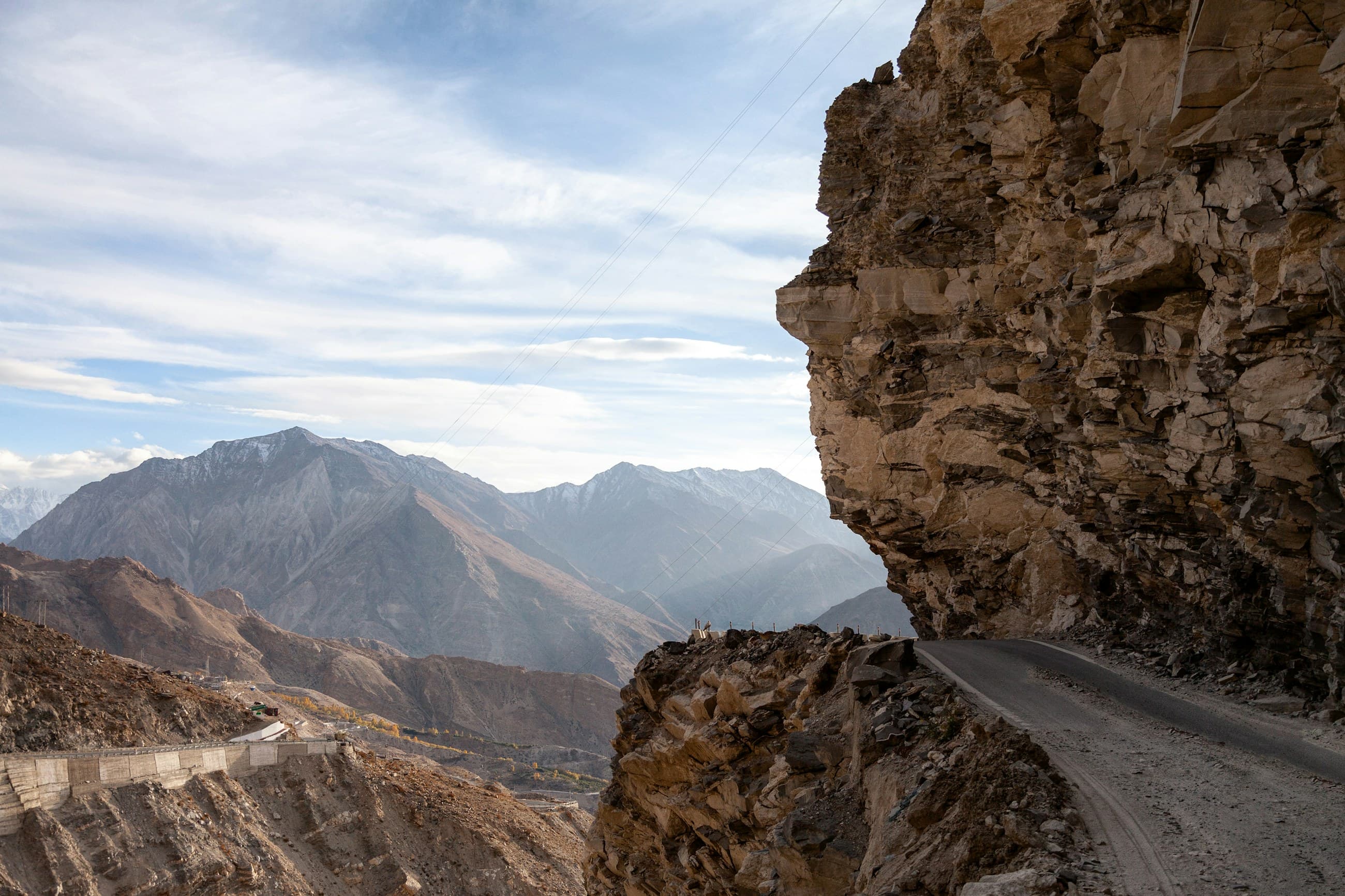
The snapped strut on the Manali-Leh highway was the failure that taught us the most, so it is worth telling properly. We were descending toward Pang after the More Plains when one strut let go under the constant corrugation-induced vibration that road is notorious for. Because we had not yet designed in redundancy, the lid sagged on one side and we limped into camp lashing it down with a ratchet strap. That single roadside failure rewrote the design brief: from then on, no single point of failure could ever drop the shell on someone sleeping inside. Prototype three gained a secondary mechanical catch that holds the lid even if a strut fails completely, and we revalidated the whole assembly on the same corrugated highways that broke it. The lesson generalises to everything we make now - design for the component that will eventually fail, because on a long expedition something eventually does.
I told the team we are not selling a tent, we are selling the ninety seconds a family does not have to spend in the cold. Everything we engineered came back to protecting those ninety seconds.
What Makes The AutoNest 120 Different
The 120 in the name is the internal width in centimetres, comfortable for two adults with room for a child between them. Closed, it sits at a low profile so your fuel economy on a Fortuner or Thar does not collapse on long transit days. The auto-deploy is the headline, but the details are what earn trust on day forty of a trip: a 6cm high-density mattress so you are not feeling the floor panel, a 270-degree window layout for cross-ventilation in the desert, and a price of Rs 2,20,700 that we hold honest because we make it here rather than importing and marking up.
- Internal sleeping width of 120cm for two adults, tested on bodies up to 188cm tall.
- Deployment in under 90 seconds from latch release to ready-to-sleep.
- 6cm high-density foam mattress with a washable, removable cover.
- Closed height kept low to protect highway fuel economy on Thar, Jimny, Hilux, and Fortuner roof rails.
Those numbers were not chosen on a whiteboard, they were chosen on the road. The 6cm mattress depth, for instance, came from feeling the cold of the aluminium floor panel through a thinner foam on an early prototype - below a certain thickness the panel acts as a heat sink and you wake up cold no matter how good your sleeping bag is, so we settled on high-density foam deep enough to insulate as well as cushion. The 270-degree window layout came from sweating through still desert nights in the Rann, where airflow, not insulation, is the comfort you crave. And keeping the closed height low was a direct response to watching fuel economy collapse on tall setups during long highway transits to the trailhead - a clean, low roofline is worth real money over a season of driving, which is exactly the kind of total-trip thinking that separates gear designed by people who use it from gear designed to photograph well.

Why We Made It In India
We could have imported a Chinese shell, slapped a badge on it, and sold it for less effort. We chose not to. An overland tent for Indian conditions has to survive Himalayan cold, coastal humidity, and the genuinely brutal vibration of our highways, and the only way to validate that is to build here and break here. Making the AutoNest 120 in Faridabad also means a customer in Pune can send us a cracked hinge and have a real replacement, not wait three months for a container. Homegrown is not a marketing line for us, it is what makes the warranty meaningful.
Building here also closes the loop between the people who use the tent and the people who change its design. On our Spiti Frozen and Ladakh Loop expeditions, every tent on the convoy is effectively a test unit, and when a guide notices a latch that ices up or a zip that stiffens in the cold, that feedback lands on the workshop floor in Faridabad weeks later, not lost in an importer's inbox across an ocean. That feedback loop is why the tent keeps getting quietly better year on year - small revisions to the catch, the canvas treatment, the ladder lock - none of which a rebadged import could ever absorb. The auto-deploy mechanism is the headline anyone can see; the reason to trust it on day forty of a trip is the unglamorous fact that it was built, broken, and refined on the same roads you are about to drive.

Frequently Asked Questions
How long does the AutoNest 120 take to set up?
Under 90 seconds from releasing the latches to a ready bed, with no poles to assemble. Packing down takes roughly two to three minutes as you tuck the canvas, and because the bedding stays inside, a dawn departure is genuinely a couple of minutes in gloves.
Does it really work in extreme cold?
Yes. We validated deployment down to -25C, and the gas struts are specifically tuned so cold-thickened gas does not stall the opening at altitude. The struts are sized to lift the real mass with margin in the cold while staying controlled in 45C desert heat, a 70-degree working band we spent most of a year calibrating.
What vehicles does it fit?
Any vehicle with crossbars rated for the dynamic load, including Thar, Jimny, Hilux, and Fortuner. On a Jimny we recommend confirming your roof rail rating first given the lighter platform, and using a low-profile mount because the dynamic limit is the number that matters while driving.
How much is the AutoNest 120 and is it made in India?
It is Rs 2,20,700 and fully manufactured at our Faridabad workshop, which is also why spares and warranty support are fast within India. A cracked hinge or worn strut is a real part shipped to you in days, not a three-month wait on a container.
What happens if a gas strut fails on the road?
The shell will not drop. After a strut snapped on the Manali-Leh highway during testing, we designed in a secondary mechanical catch so a single strut failure never lets the lid fall on anyone inside. You can finish the trip safely and have the strut replaced afterwards through our Faridabad support.
Put it into practice
Write your own chapter - shop the gear or come drive with us.