
Vehicle Builds
Snorkels and Water-Wading: Do You Actually Need One in India
Do you really need a snorkel for Indian overlanding? An honest look at water-wading, river crossings and what actually protects your engine.
For most Indian overlanders a snorkel is genuinely useful but not strictly essential - it matters far more if you regularly cross deep Himalayan rivers, drive flooded monsoon roads or do serious Northeast tracks, and far less if you mostly run graded Spiti and Ladakh routes where crossings are shallow. What a snorkel actually does is two things: it raises the engine air intake so it draws cleaner, cooler, dust-free air up high, and it gives you a safety margin if water rises higher than expected during a crossing. But a snorkel alone does not make a vehicle waterproof - your axle, gearbox and transfer-case breathers, electricals and driving technique matter just as much. Fit one if you cross water often; skip it if you rarely do, and instead master crossing technique.
What does a snorkel actually do?
There are two real benefits, and a lot of myth. The first benefit is everyday: a snorkel relocates the air intake from down in the engine bay to roof height, where the air is cooler, cleaner and far less dusty. On the fine moon-dust of Spiti and Ladakh tracks, that means your air filter clogs more slowly and your engine breathes better - a genuine, if undramatic, gain. The second benefit is the famous one: during a water crossing, a raised intake means the engine keeps drawing air even if water rises to bonnet height, dramatically reducing the risk of the catastrophic event a snorkel is named for - hydrolock, where water is sucked into the engine and bends a connecting rod. That second benefit only matters if you actually cross deep water.

What is hydrolock and why is it so feared?
Hydrolock is the nightmare a snorkel is built to prevent. Engines compress air, not water - water does not compress. If your intake sucks in a slug of water during a crossing, that water enters a cylinder, the piston tries to compress it, and because it cannot, something gives: typically a bent or broken connecting rod and a destroyed engine, often in an instant. It is one of the most expensive failures in overlanding and it can strand you days from help. A snorkel raises the intake above the water line so the engine keeps gulping air instead of river. This is precisely why a snorkel earns its keep for anyone who genuinely crosses deep water - the downside it prevents is total and immediate.
- Everyday benefit: cooler, cleaner, less dusty intake air - slower filter clogging on dusty Spiti tracks.
- Crossing benefit: raised intake guards against hydrolock if water rises higher than expected.
- Hydrolock is catastrophic and instant - a bent rod and a dead engine, often days from help.
- A snorkel reduces risk; it does not make the whole vehicle waterproof on its own.
Where in India does a snorkel earn its place?
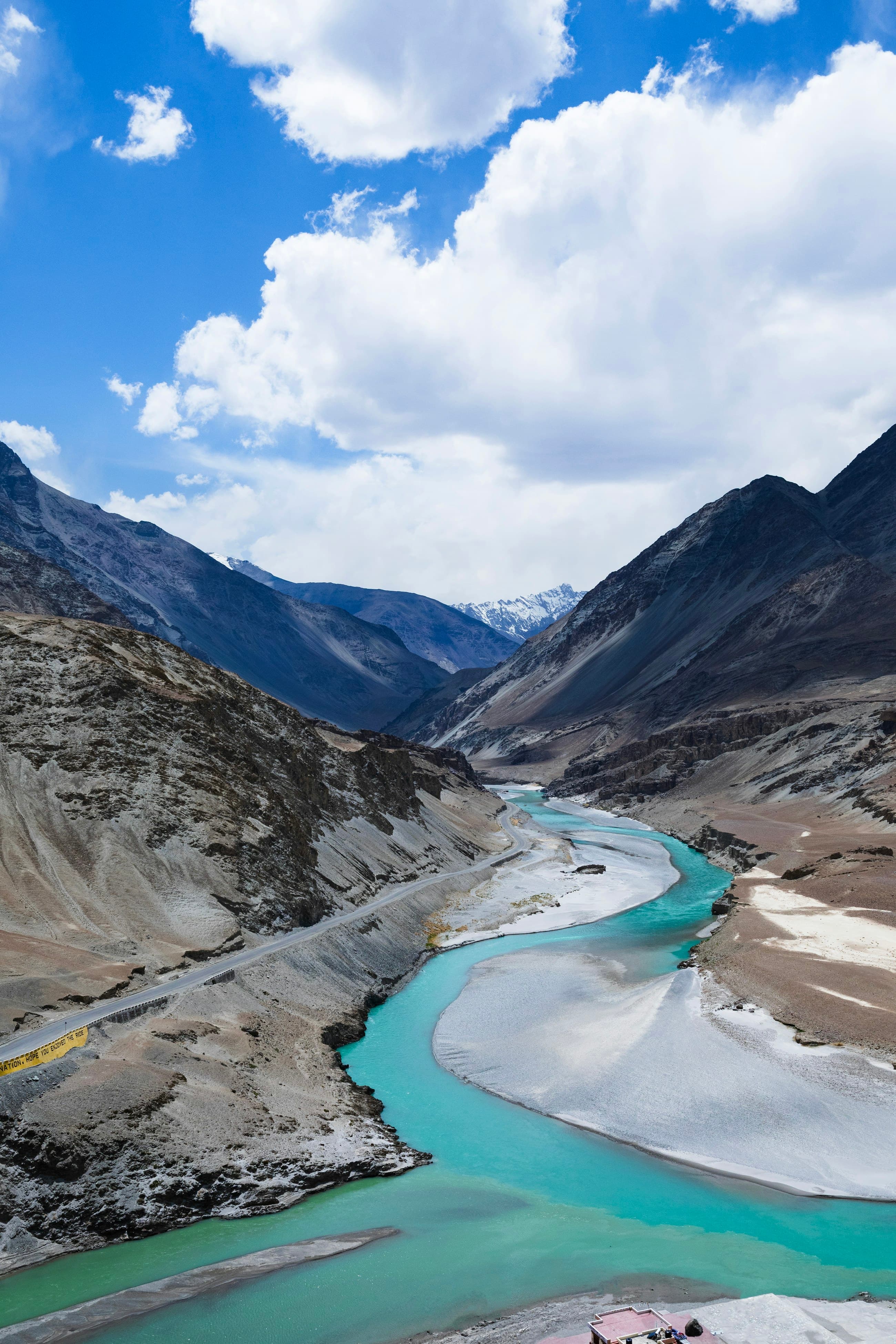
It depends heavily on where you travel. On the high Himalayan routes, glacier-fed river crossings are real and their depth changes through the day as melt increases - what is shin-deep at dawn can be alarming by afternoon, so a snorkel buys margin. In the Northeast during monsoon, flooded tracks and serious crossings are common, and a snorkel plus proper waterproofing is genuinely valuable. On classic graded Spiti and Ladakh circuits driven sensibly in good conditions, crossings are usually shallow and timed for low water, so a snorkel is a nice safety margin rather than a necessity. Match the decision to your actual routes: deep and frequent water means fit one; rare and shallow means it is optional.

The timing trap: why a Himalayan crossing changes by the hour
The single most important thing to understand about high-altitude water crossings is that they are not fixed obstacles - they are tidal in a way, driven by the sun on the glaciers above. A snow-melt or glacier-fed nala on the way to Tso Moriri or across the Spiti tributaries is at its lowest in the cold early morning, before the day's sun has worked on the ice upstream. By early afternoon, the same crossing can be running noticeably deeper and faster on the day's melt-water. The practical rule the locals and our guides live by is brutally simple: cross the big nalas early. Plan your day so the serious water is behind you by late morning, and if you arrive at a swollen afternoon crossing, the right move is often to wait for the next dawn rather than gamble on the high water. A snorkel buys you margin against this, but timing buys you far more, and the two together are how you cross deep water without losing an engine.
A snorkel is cheap insurance against the single most expensive mistake in overlanding. But I see people fit a snorkel and think they are submarine-ready, then drown the diffs and electrics because they never breathed the axles or learned to read a crossing. The snorkel is one piece - water-readiness is the whole vehicle and the driver.

What else has to be waterproofed besides the intake?
This is the part people skip, and it is what actually drowns vehicles. Your axles, gearbox and transfer case have breathers - small vents that let them equalise pressure - and when you plunge a hot diff into cold water, it can suck water in through those breathers, contaminating the oil and wrecking the components over time. Extending and raising these breathers is essential water-readiness, often more important than the snorkel itself for the differentials. Beyond breathers, you should protect and route electrical connectors, consider the ECU and alternator location, and accept that prolonged deep water will find any weakness. A snorkel without breather extensions is a half-finished job.
- Extend and raise axle, gearbox and transfer-case breathers - critical, often skipped.
- Protect and route electrical connectors away from water ingress where possible.
- Walk and gauge depth before crossing; cross at the shallowest, slowest-current line.
- Drive slowly with a steady bow wave; do not stop or gun it mid-crossing.
How do you actually cross water safely?
Technique protects you more than any single part. Before a crossing, walk it if you safely can, or watch another vehicle, and gauge the depth and current - moving water is far more dangerous than its depth suggests, and fast water can float and sweep a vehicle. Pick the shallowest line, enter slowly in low range, and maintain a steady, gentle pace that pushes a small bow wave ahead of you, which creates a trough around the engine bay. Do not stop, and do not accelerate hard and throw spray over the engine. After crossing, dry your brakes with gentle applications and, on a long trip, check your diff oils for the milky look that signals water ingress. The driver is the most important piece of water-readiness.
A step-by-step crossing routine
Put the technique into an order you can follow every time, because a crossing is no place to improvise. This is the sequence we walk customers through on the Spiti and Ladakh runs, and it works whether the nala is knee-deep or genuinely committing.
- Stop and assess: never drive straight in. Look at the colour and speed of the water and where other vehicles have crossed.
- Walk it if safe, upstream of where you will drive, and feel for the firmest line and the true depth - your boots tell you more than your eyes.
- Pick the line: shallowest water, slowest current, firmest bed, and a clear exit you can actually climb out on.
- Engage low range, switch off anything you do not need, and enter slowly and deliberately at a walking pace.
- Hold a steady throttle to push a small bow wave - the trough behind it protects the engine bay. Do not stop, do not floor it, do not change pace.
- On the far side, dry the brakes with light applications as you drive, and on a long trip check the diff and gearbox oil for a milky look that means water got in.
So do you need a snorkel or not?
Fit a snorkel if you regularly cross deep rivers, drive monsoon Northeast tracks, or want the dust-reduction benefit on long high-altitude expeditions - it is affordable insurance against a catastrophic, instant failure. Skip it if your overlanding is mostly graded Spiti and Ladakh in good conditions with shallow, timed crossings, and instead put your effort into breather extensions and crossing technique, which protect you on those routes too. The honest answer is that a snorkel is high-value-low-cost insurance for water-heavy travel and an optional nicety for everyone else - but breathers and good technique are non-negotiable for anyone who crosses water at all.
Frequently Asked Questions
Does a snorkel make my vehicle fully waterproof?
No. It only raises the air intake. The differentials, gearbox, transfer case and electrics still need attention - especially extended breathers - and deep or fast water remains dangerous regardless of a snorkel. Treat the snorkel as one component of water-readiness, never as the whole answer.
How deep can I cross with a snorkel fitted?
A snorkel raises the safe intake height, but real depth limits depend on your breathers, electricals and the current. Never treat a snorkel as permission to cross blindly - always gauge depth and current and cross at the shallowest, slowest line. The water that sweeps a vehicle off a Ladakh nala is rarely the deepest, it is the fastest.
Is fast-moving shallow water safer than deep still water?
Often the opposite. Fast water can float and sweep a vehicle even when it is not very deep, and it hides the bed underneath. Respect current as much as depth, and do not cross fast water you have not gauged. A loaded 4x4 starts to feel light and skittish in current far sooner than people expect.
If I rarely cross water, is a snorkel a waste?
Not entirely - the dust-reduction benefit on long Spiti and Ladakh trips is real. But if water crossings are rare for you, the money is better spent first on breather extensions and learning solid crossing technique. Those two protect you on the shallow crossings you will actually meet, where a snorkel does nothing.
Put it into practice
Building your own rig? Start with the kit that earns its place first.