
Vehicle Builds
The long-range Fortuner: a touring overland build
The Toyota Fortuner is built for distance and comfort. Here's how we spec one for long, self-sufficient touring.
Where a Thar build is about capability and a Jimny build is about restraint, a Fortuner build is about range and comfort. It is a big, heavy, reliable, long-legged vehicle, and the smart approach is to build to those strengths rather than fight them. We spec a Fortuner to cover serious distance, carry two people in genuine comfort for weeks at a stretch, and stay self-sufficient far from resupply - the kind of rig that will drive Leh to Tawang and back without the trip becoming an endurance test. This is how we think about that build, and why each choice serves distance and comfort over outright off-road extremity.
Play to the platform's strengths
Be honest about what a Fortuner is. It is not the most extreme off-roader in our customers' garages - it is long, it is heavy at well over two tonnes, and its size works against it on tight, technical, rock-strewn trails where a Jimny or a Thar dances through. What it is, is the vehicle that will comfortably and reliably cover enormous distances across the country on a mix of highway and rough road, with a cabin you are happy to live out of for a fortnight. The Toyota diesel drivetrain is famously durable, which matters more than any single accessory when you are a thousand kilometres from a dealer. So we build it for touring: long-range autonomy, comfort, reliability, and shade - not for rock-crawling it was never designed to do. Trying to turn a Fortuner into a hardcore trail weapon is fighting the platform; building it as a continent-crossing tourer is working with it.
The build
- Sleep: the AutoNest 120 or the Bison 61 - the Fortuner's roof and rails carry a full hardshell easily, so take the fast-deploying comfort
- Shade: a SaberLight 270 awning - long touring means long midday stops, and the 270 wrap turns the side of the vehicle into a proper outdoor room
- Tyres: a touring-biased all-terrain in a sensible size - quiet and composed on the highway where you will spend most of your kilometres, capable enough off it
- Storage: a drawer system in the boot plus a roof box - range means carrying more, and a drawer system means finding it without unpacking
- Water: two HydroX26 tanks mounted low for genuine multi-week autonomy without constant resupply stops
- Power: a dual-battery setup sized to run a fridge across long driving days and cold nights without flattening the crank battery
Suspension and weight, the honest version
A loaded touring Fortuner gets heavy fast, and weight is the thing that quietly ruins these builds if you ignore it. Two full water tanks at roughly 26 kg each when filled, a fridge, a drawer system, a hardshell tent on the roof, a fortnight of food and gear, two adults and their luggage - it adds up to hundreds of kilograms over kerb weight, and the factory suspension was not tuned for it. We fit suspension matched to the actual loaded weight, not a fashionable lift height - the goal is to restore ride height and damping under load, keep the headlights aimed where they should be, and stop the rear sagging into its bump stops on rough ground. Crucially, weight on the roof is the worst weight there is on a tall vehicle: a hardshell tent the Fortuner carries fine, but resist the urge to pile a roof rack high with heavy kit, because on a top-heavy SUV that raises your centre of gravity exactly where you least want it on an off-camber mountain road. Heavy goes low and central; the roof gets the tent and light, bulky things only.

Range and the long-haul mindset
The whole point of a Fortuner build is to stop thinking about resupply, and that is mostly a water-and-power calculation. Two adults living out of the vehicle will get through a fair amount of water a day once you count drinking, cooking, and washing up - so two tanks is what buys you genuine multi-week autonomy in places like Ladakh or the Northeast where clean water is not on tap. Fuel range on the Fortuner's tank is generous, but in remote areas you still plan around where the next reliable diesel actually is, not where the map hopefully shows a pump. The fridge is the comfort multiplier that the dual battery exists to serve - cold food and cold water across a fortnight changes how the whole trip feels, and a battery setup sized to carry the fridge through long nights without threatening your morning start is the unglamorous heart of the build. Get water, fuel planning, and power right and the Fortuner simply keeps going long after a less considered rig has had to turn back for supplies.
What touring rewards
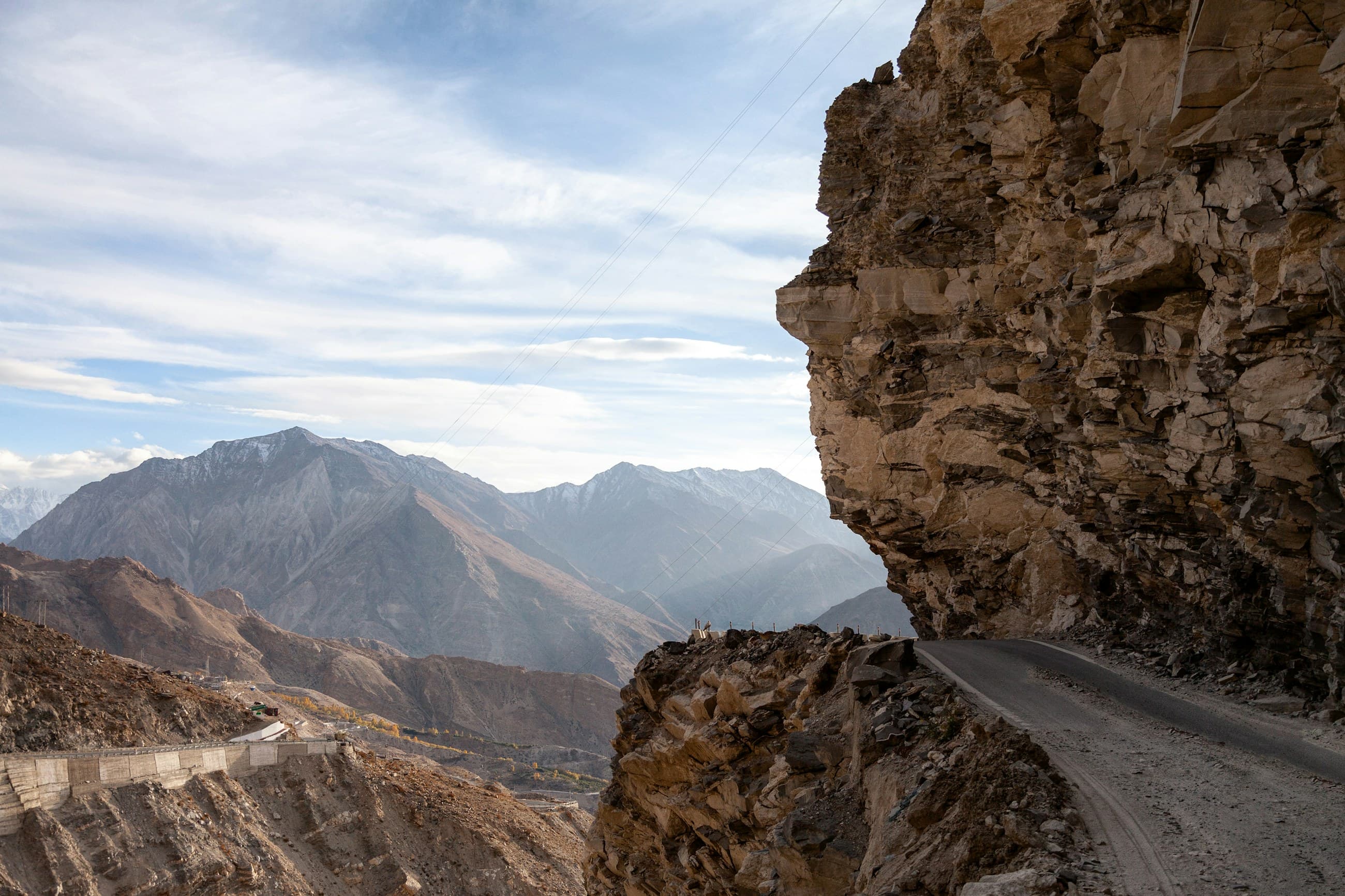
A touring build rewards comfort and reliability over outright spec, and it takes some discipline to accept that when the catalogue is full of aggressive-looking hardware. Quiet tyres that do not drone for ten hours on the highway. A proper sleep system that has you rested for the next long day. Cold drinks and food that survive a fortnight. Enough water and storage that resupply is a convenience rather than a daily anxiety. Shade for the long lunch stops the heat of the plains forces on you. Get those right and the Fortuner will take you almost anywhere in the country in genuine comfort - which, for the kind of long, distance-eating expeditions this platform is made for, is worth far more than another inch of lift or a locker you will use twice a year.
Build the vehicle for the trips it will actually do - not the trips that look good in photos.

A worked example: Leh to the Northeast and back
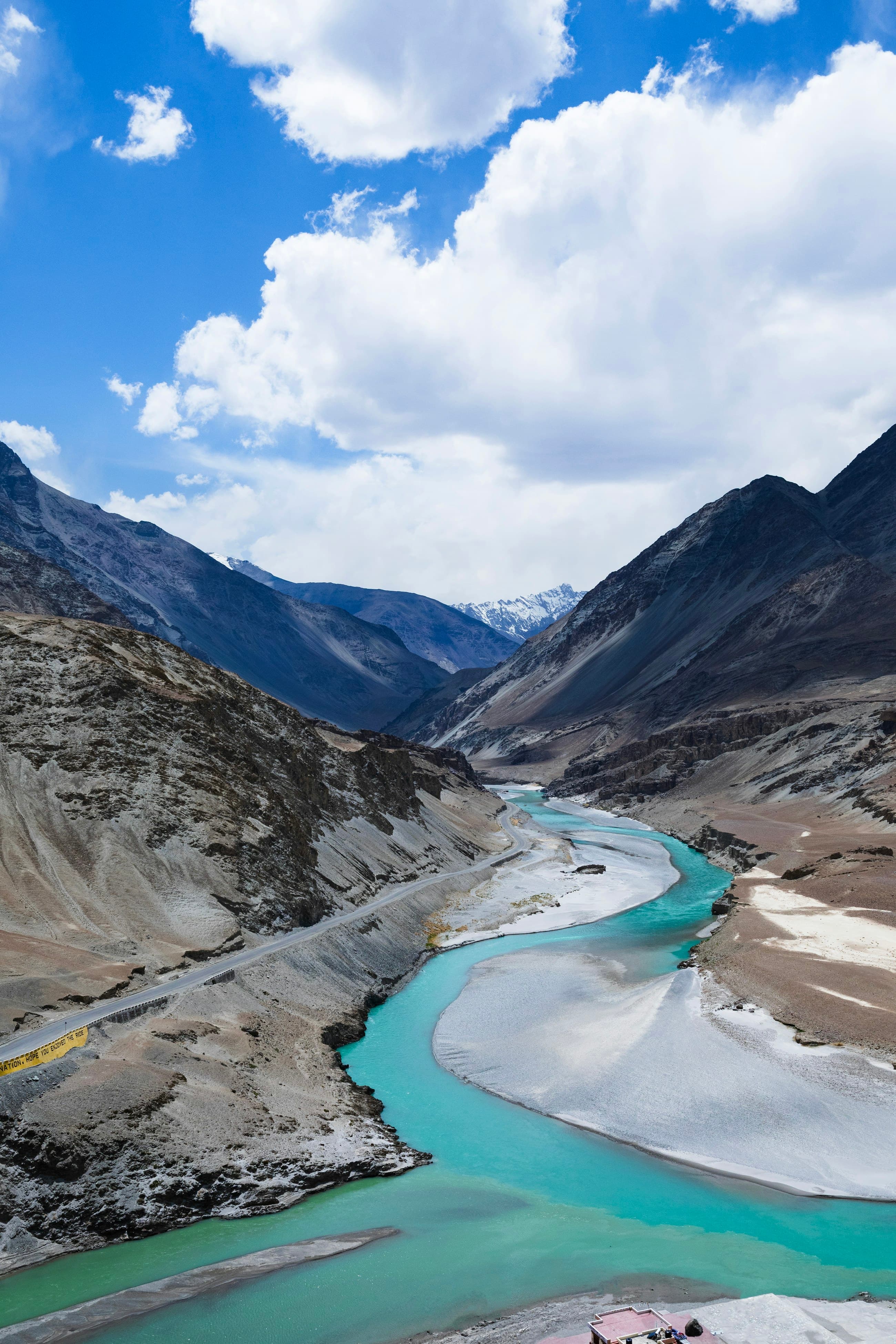
To see why this build is specced the way it is, run it against the trip it is built for. Picture a multi-week haul that starts in Leh, drops down through Himachal, crosses the Gangetic plains in the heat, and pushes on to Tawang and the Northeast before turning for home - thousands of kilometres on every surface India has, from glass-smooth expressway to broken mountain road to a monsoon-greased ghat. On a run like that, the touring choices pay off every single day. The quiet all-terrain tyres mean ten-hour highway stints do not leave you deafened and exhausted. The dual battery keeps the fridge cold across the plains heat and the cold mountain nights, so two weeks of food and water survive without a daily resupply hunt. The two water tanks mean the dry stretches of Ladakh and the remote Northeast are a non-event rather than a planning headache. The SaberLight 270 turns the brutal midday heat of the plains crossing into a shaded lunch stop instead of an ordeal. And the AutoNest deploys in under a minute when you finally stop tired at dusk in a place you have never been. None of that is about off-road heroics. All of it is about covering enormous distance in comfort and self-sufficiency - which is exactly what the Fortuner is for, and exactly why you build it this way rather than as a trail toy.
Reliability is the real luxury
The unfashionable truth of a long-range build is that the most valuable thing you can spec is boring dependability, and the Fortuner platform gives you a head start on it that no accessory can match. A thousand kilometres into the Northeast, a long way from a dealer or a competent workshop, the question that matters is not how aggressive your tyres look or how high you sit - it is whether the vehicle starts every morning and gets you home. So we keep the build conservative where it counts: proven drivetrain left alone rather than chased for extra power, quality consumables, a sensible service done before departure, a basic spares kit for the things that strand you, and no clever electrical modifications that can fail in the cold and dark a long way from help. The dual-battery install is done properly with the right isolator and wiring, not bodged, because a power system that fails takes your fridge and often your ability to start with it. Restraint here is not cheapness; it is the recognition that on a genuine long-haul expedition, the rig that quietly works beats the rig that impresses in the car park every time. Build the Fortuner to keep going, and it will.
Frequently Asked Questions
Can a Fortuner handle a hardshell rooftop tent on the factory roof?
Yes - unlike a Jimny, the Fortuner has the roof structure and the rail capacity to carry a full hardshell like the AutoNest 120 or Bison 61 comfortably. The thing to confirm is the dynamic load rating of your crossbars and mounting, which is what matters when you are driving over rough ground, not the static parked figure. Once that is sorted, the hardshell's fast deploy and better cold-weather performance are exactly the kind of comfort the Fortuner build is about.
Is a Fortuner good enough off-road for Ladakh and Spiti?
For the standard Ladakh and summer Spiti routes, comfortably yes - those are rough roads and water crossings, not technical rock trails, and the Fortuner's clearance, drivetrain, and reliability suit them well. Where it is less at home is tight, extreme, technical terrain where its length and weight count against it. Build it for the long touring routes it excels at, carry the recovery basics, and do not point it at hardcore rock-crawling lines that a shorter, lighter vehicle is built for.
Do I really need two water tanks?
If your trips are genuinely long and remote - multi-week runs in Ladakh, the Northeast, or remote Rajasthan where clean water is scarce - two tanks is what turns resupply from a daily worry into an occasional top-up. For shorter trips or routes with reliable water along the way, a single tank is plenty and saves weight. The Fortuner's whole identity is range, so on the long hauls the second tank earns its place; match it to the actual trip rather than fitting it by default.
Put it into practice
Building your own rig? Start with the kit that earns its place first.