
Gear Deep-Dive
Hardshell vs softshell: how to actually choose a rooftop tent
Four questions cut through the entire rooftop-tent decision. Answer them honestly and the right tent picks itself.
Choosing a rooftop tent looks complicated and isn't. Most of the confusion comes from comparing spec sheets instead of answering four honest questions about how you actually travel. Marketing wants you deep in a feature-by-feature war - fabric deniers, R-values, deploy mechanisms - when the real decision is upstream of all of that. Answer these four questions truthfully about your own travel, in order, and the catalogue narrows itself to one or two right options before you have read a single spec.
1. How fast does your weather turn?
If you camp where weather changes fast - the high Himalayas, shoulder seasons - a hardshell's 60-to-90-second deploy is a safety margin, not a luxury. If you camp mostly in settled fair weather, a softshell's longer set-up is no real cost.
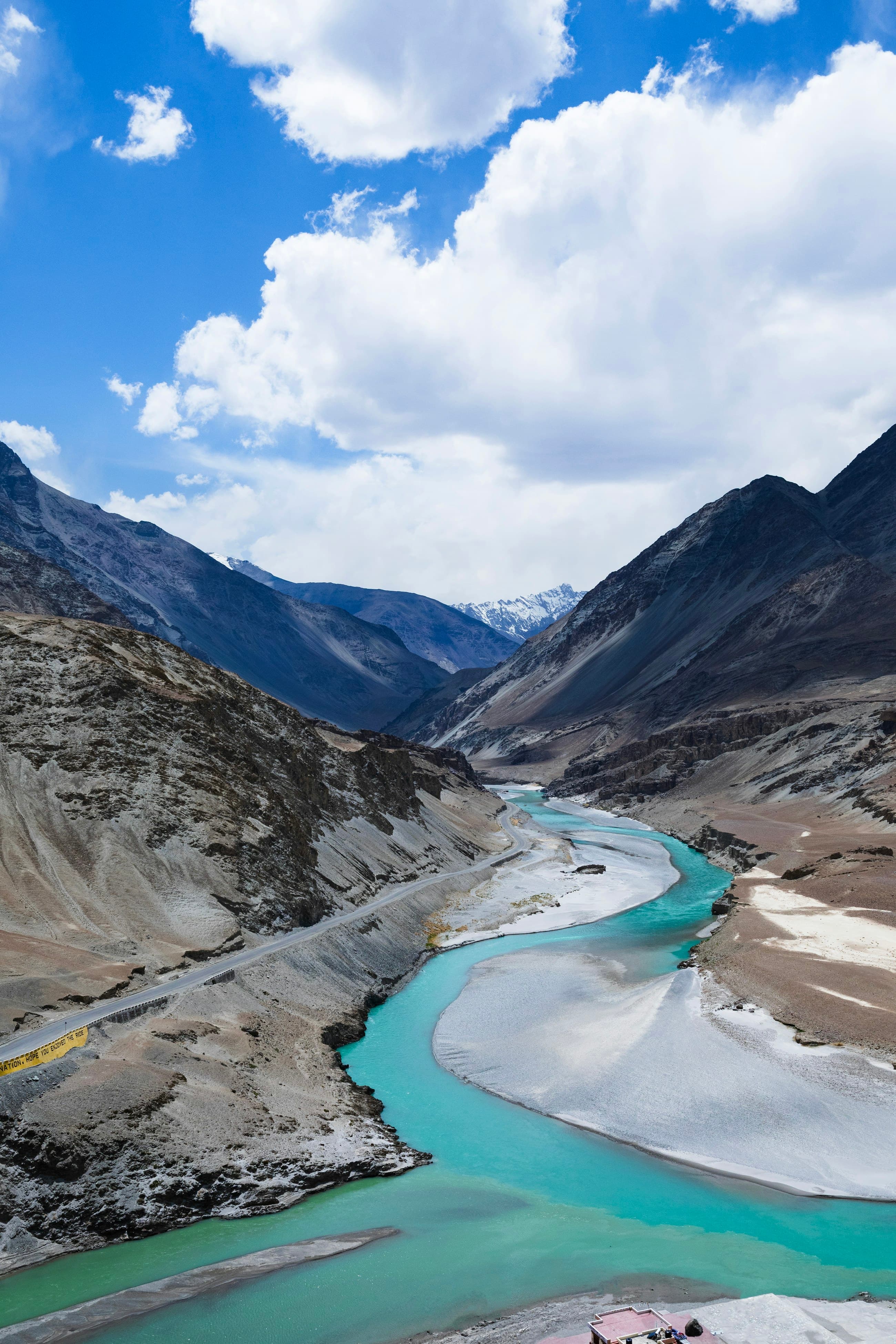
Be concrete about what fast-turning weather means, because it is the question that most often points to a hardshell. In the high Himalayas - Spiti, Ladakh, the shoulder seasons either side of summer - a clear arrival can become a squall or a dust storm in the time it takes to lay out bedding, and the temperature can drop a degree a minute as the sun goes behind a ridge. In that world the difference between a 60-second hardshell deploy and a 15-minute softshell pitch is not convenience, it is whether you are inside and warm before the weather lands or wrestling wet canvas in a rising wind. We timed it: a softshell that pitches in 11 minutes dry takes 17 in rain and 22-plus in a dust storm, while a hardshell barely moves off its minute. If your trips put you anywhere the weather flips fast, weight this question heavily toward the hardshell. If you camp mostly in settled fair weather where you can pitch at leisure, it barely matters.

2. What does your roof allow?
A hardshell is heavier. A compact 4x4 like a Jimny cannot sensibly carry one - that is the entire reason the FeatherLite softshell exists. Check your vehicle's roof load rating before anything else; it eliminates half the catalogue instantly.
This is the question that does the most ruthless filtering, so do it first in practice even though it is second on the list. Find your vehicle's dynamic roof load rating - the load it can carry while moving over rough ground, which is far lower than the parked figure - and find the rack's rating too, because the weaker of the two governs. A big platform like a Fortuner or a well-set-up Thar carries a full hardshell like the AutoNest 120 or Bison 61 comfortably. A compact 4x4 like a Jimny genuinely cannot, which is exactly why the FeatherLite exists - a full-size platform under 45 kg built around that low rating. Get this number wrong and nothing else about the tent matters, because an overloaded roof is dangerous on a rough mountain road regardless of how nice the tent is. Check the rating, subtract the tent's closed weight plus the rack, and make sure you are inside it with margin to spare.
3. How many nights a year?
Fifty-plus nights a year justifies spending up for hardshell convenience and durability. A handful of trips a year is well served by a quality softshell like the CampTop 300Lux.
Frequency is really a question about how the cost is amortised and how much the convenience compounds. If you are out fifty, eighty, a hundred nights a year, the hardshell's faster deploy is a saving you bank every single evening, and its rigid, weatherproof durability matters because you are putting real cycles on it - the spend-up pays for itself in time saved and longevity. If you camp a handful of weekends a year, that maths flips: the convenience is nice but you are paying a lot per use for it, and a quality softshell like the CampTop 300Lux gives you the same nights above the ground for far less outlay. Be honest about the real number, not the aspirational one - most people camp less than they imagine they will when they are shopping. Buy for the trips you will actually take, not the trips you picture taking.

4. What is your honest budget?
There is no shame in the CampTop 250. An entry softshell that gets you sleeping above the ground beats a hardshell you keep postponing. Buy the tent that gets you out this season.
Budget is the question people are most embarrassed about and least need to be. The most overland nights are had not by the person with the most expensive tent but by the person who actually has a tent and uses it. An entry softshell like the CampTop 250 gets you off the ground, out of the dirt and the damp, and sleeping properly on a trip this season - which is worth infinitely more than a premium hardshell you keep deferring until the budget feels right. The progression is real and fine: plenty of our customers start on an entry softshell, learn how they actually travel, and step up to a hardshell later when they know exactly why they want one. Buying the tent that gets you out now is not settling; it is the smartest way to find out what you really need next.
It is also worth saying what these four questions deliberately leave out, because the things people fixate on in the showroom are mostly downstream of decisions you have already made. Fabric weights, exact internal dimensions, mattress thickness, the precise number of seconds to deploy - all of that is real and worth checking, but only after the four questions have narrowed you to a category and a size class. Comparing the fabric specs of a hardshell and a softshell when your roof can only carry one of them is wasted effort; comparing deploy times when you camp twice a year in settled weather is solving a problem you do not have. The order matters: let the four questions choose the type, the size, and roughly the price bracket first, and use the spec sheet only to pick between the two or three tents that survive that filter. Done that way, the comparison that felt overwhelming becomes a short, easy shortlist.
The best rooftop tent is the one matched to how you travel - not the one with the longest spec sheet.
Putting the four answers together
The four answers usually converge fast. A Jimny owner who camps a few fair-weather weekends a year has the decision made for them twice over - the roof says softshell and the frequency says do not overspend, so a FeatherLite or an entry softshell is the obvious call. A Fortuner owner who runs shoulder-season Himalayan trips fifty nights a year lands just as clearly on the other side - the weather wants the fast deploy, the roof carries it easily, and the frequency pays for it, so a hardshell like the AutoNest 120 or Bison 61 is right. Most people sit somewhere readable in between, and the trick is to let the constraint questions - roof and weather - lead, then let frequency and budget fine-tune. Answer them honestly and the tent genuinely does pick itself; the spec sheets are for confirming the choice, not making it.

When two answers conflict
Occasionally the four questions pull in different directions, and there is an order of priority for resolving that. The roof always wins, full stop - if your vehicle cannot safely carry a hardshell, no amount of wanting one changes the answer, because an overloaded roof on a rough mountain road is a safety problem, not a preference. Weather comes second, because it is also a safety question: if you genuinely camp where conditions flip fast, that pushes hard toward a fast deploy and should override a tight budget if you can possibly stretch. Frequency and budget are the softer pair, and they trade against each other - high frequency justifies spending up, a thin budget says start cheaper and step up later. So when the answers conflict, work down that ladder: roof, then weather, then frequency and budget. The two constraint questions are about safety and physics; the two preference questions are about money and convenience. Let the first pair veto, and let the second pair fine-tune within what the first pair allows.
Frequently Asked Questions
Hardshell or softshell - which is better?
Neither is better in the abstract; the right one depends on how you travel. Hardshells win on deploy speed and weatherproof durability, which matters most in fast-changing weather and for high-frequency use. Softshells win on price, weight, and internal floor area, which suits lighter vehicles, settled-weather camping, and tighter budgets. Answer the four questions - weather, roof, frequency, budget - and the better one for you becomes obvious.
How do I know if my vehicle can take a hardshell?
Check the dynamic roof load rating - the figure for moving over rough ground, not the parked number - and the rack's rating, and use the lower of the two. Subtract the tent's closed weight plus the rack and make sure you are comfortably inside it. Big platforms like a Fortuner or Thar usually carry a full hardshell easily; a compact 4x4 like a Jimny generally cannot, which is why a sub-45 kg softshell like the FeatherLite exists for it.
Is it worth buying a cheap softshell to start with?
Absolutely. An entry softshell like the CampTop 250 that gets you off the ground and out camping this season beats a premium hardshell you keep postponing. Many people start on an entry softshell, learn how they actually travel, and step up later knowing exactly what they need. Buying the tent that gets you out now is the smartest way to discover your real requirements.
Put it into practice
Ready to kit out? Shop the gear we put through its paces here.