
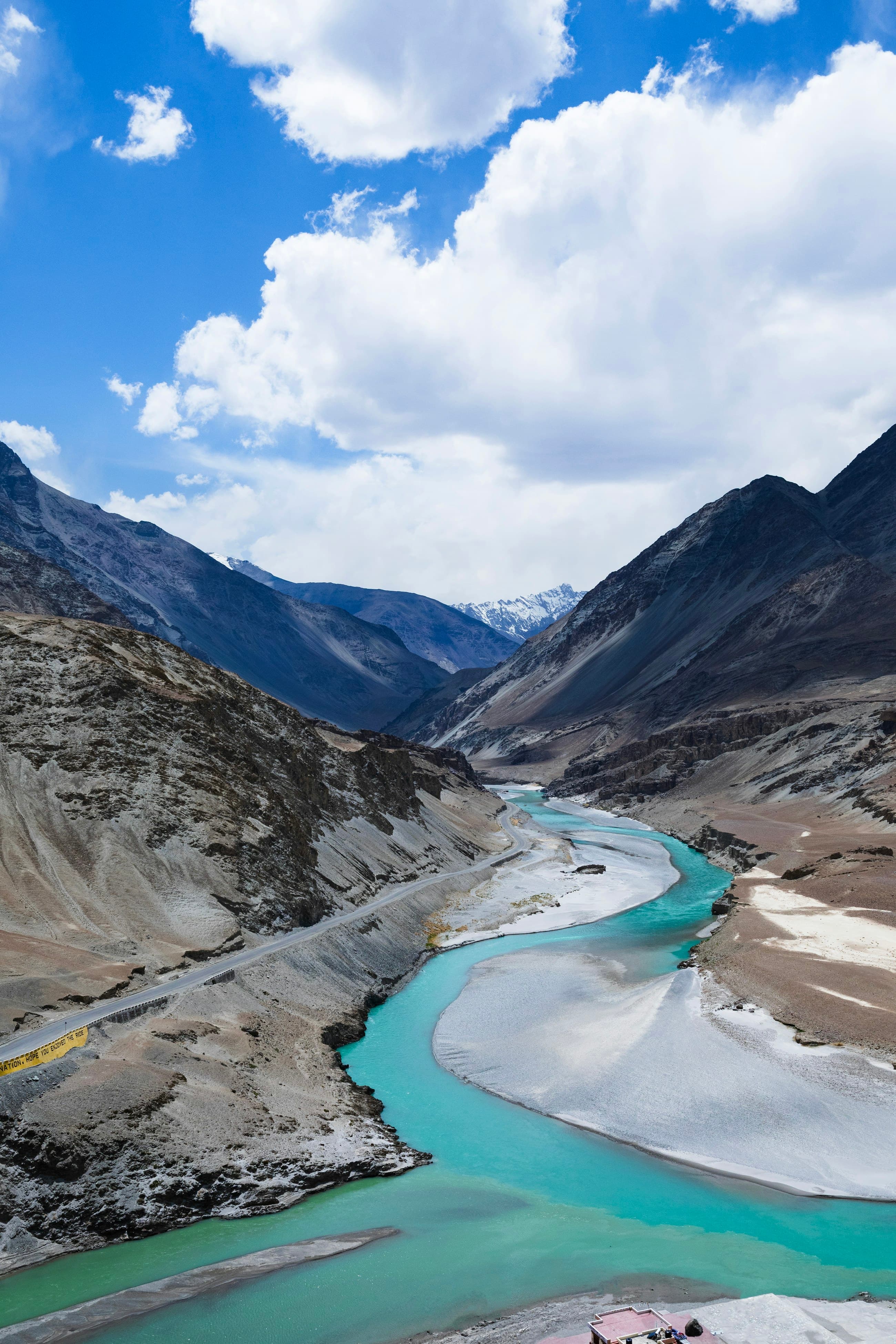
Gear Deep-Dive
AutoNest 120 vs traditional rooftop tent: 60 seconds vs 15 minutes
We timed the deploy in rain, snow and dust across 40 set-ups. The gap between an auto-deploying hardshell and a traditional tent is wider than the spec sheets suggest.
Spec sheets say an auto-deploying tent opens in 60 seconds and a traditional softshell takes 10-15 minutes. True - but that comparison is made in a showroom on a dry afternoon. We wanted the real-world number, so we timed 40 set-ups across three conditions: dry, rain, and a Spiti dust storm. The point of the exercise was not to win an argument on paper. It was to find out what the difference feels like at the exact moment it matters - when you roll into camp late, the light is going, the weather is turning, and the gap between a 60-second deploy and a 15-minute wrestle stops being a number and becomes whether you are warm and dry or cold and soaked.
The test
Same two people, same vehicle, alternating between an AutoNest 120 and a popular traditional softshell. We measured from 'handbrake on' to 'ready to sleep in' - which includes ladder, bedding, and securing the rainfly.
A few details that make the numbers honest. We ran the test over a long weekend out of the workshop and then on a shakedown leg toward Kinnaur, so the conditions were real, not staged. Both crew members were familiar with both tents - no fumbling-newbie penalty on the softshell, no home-team advantage on the hardshell. We alternated which tent went up first to cancel out tiredness, and we counted the job as finished only when you could actually climb in and sleep: ladder set, mattress flat, bedding laid, rainfly tensioned, and in the softshell's case the pole structure guyed out enough to hold shape. That last clause is where the softshell loses most of its time, and it is exactly the clause showroom demos quietly skip.
The results
- Dry conditions: AutoNest 58s average, traditional 11m 40s average
- Light rain: AutoNest 62s, traditional 17m 10s (wet canvas is heavier and slower)
- Dust storm: AutoNest 71s, traditional 22m+ (poles and guy-lines fight you in wind)
The headline is not the dry-weather number - it is what happens when conditions turn. In bad weather the traditional tent's set-up time roughly doubles, and that is exactly when you least want to be standing outside the vehicle wrestling canvas.
Why the gap widens when the weather turns
The dry-weather gap is a convenience. The bad-weather gap is physics. A hardshell like the AutoNest 120 deploys by releasing the clamshell and letting gas struts lift the roof - the action is the same whether it is calm or a gale, because there is nothing loose to manage. A traditional softshell asks you to unzip and flip a heavy cover, fold out the extension, run and seat the pole sections, peg the ladder side, then tension the rainfly and guy it. Every one of those steps gets harder in wind and rain. Wet canvas gains real weight and stops sliding cleanly. Poles you would normally seat in seconds turn into levers the wind fights you for. Guy-lines you are trying to peg into a Spiti gravel bar in a dust storm flog around your face. None of it is difficult on a still afternoon; all of it compounds the instant the weather you actually came to camp in shows up. That is why the softshell's time does not just grow in the wet - it roughly doubles, and it doubles precisely when you are most exposed.
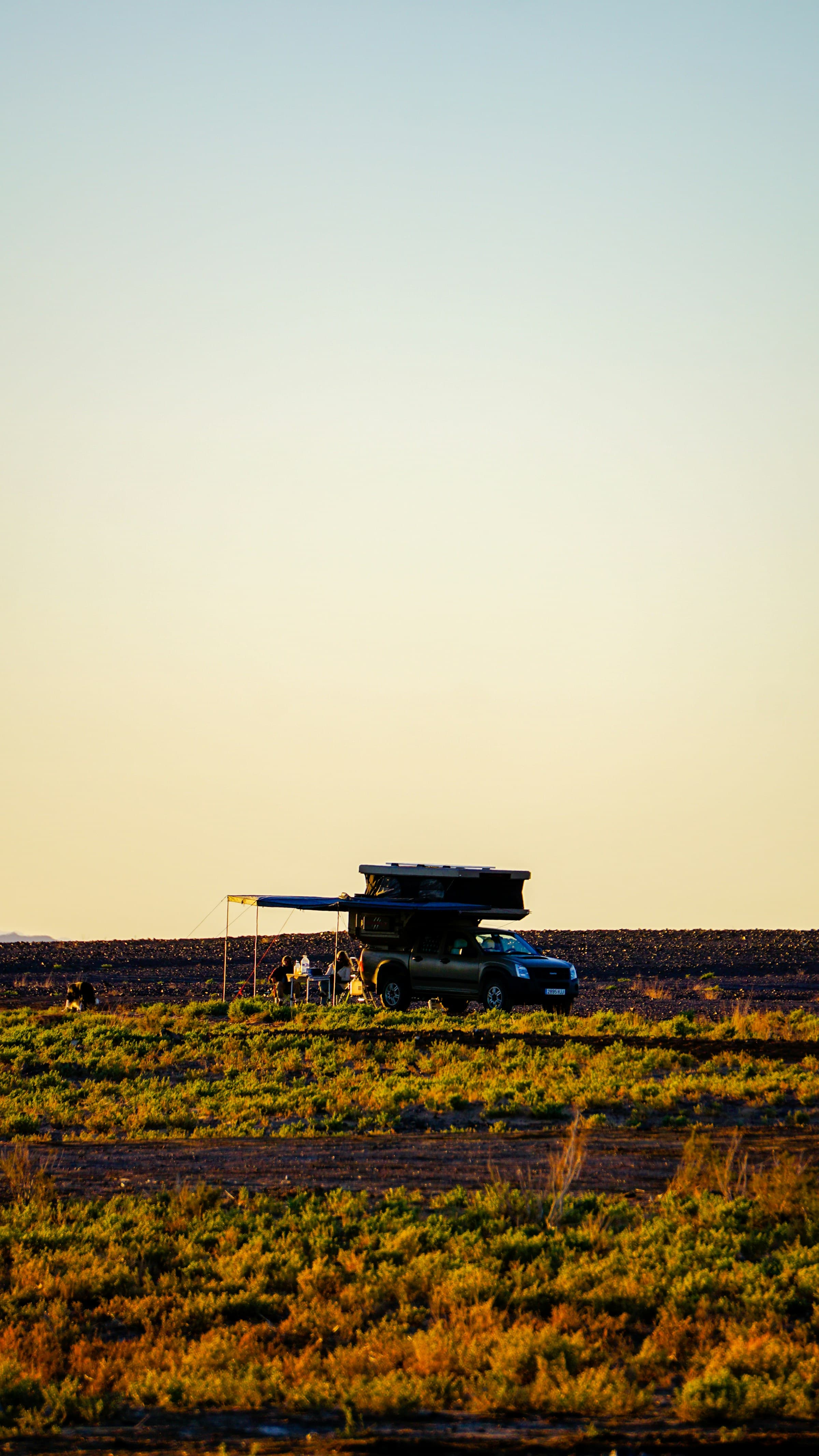
A worked example: the late arrival at Chandratal
Picture a summer run to the Chandratal area. A long day on rough road puts you at the campsite at 5:30 p.m., later than you planned, with a cold wind already coming off the high ground and cloud building. With the AutoNest, one person sets the handbrake, walks to the rear, releases the latches, and the tent is standing in under a minute; the other lays bedding and you are inside with a stove going before the light goes. With the softshell, the same arrival is a different evening - twelve to twenty minutes of two people working in a rising wind, canvas snapping, one of you holding a pole while the other pegs, both of you cold by the time it is up. Neither outcome is a disaster on a mild night. But shift that same scene to a shoulder-season evening at altitude where the temperature is dropping a degree every few minutes and a squall is coming in, and the fifteen minutes you save is not convenience any more - it is the margin that keeps the trip pleasant instead of grim.
Where the traditional tent still wins
We are not going to pretend the hardshell wins everything. A traditional softshell is lighter, cheaper, and usually gives you more internal floor area for the same closed footprint. If budget is the deciding factor, or you only camp in fair-weather seasons, a good softshell like our CampTop 300Lux is the honest recommendation.
There is more in the softshell's favour than just price. The fold-out design typically gives you a built-in covered vestibule over the ladder, which is genuinely useful for stashing boots and a pack out of the dew. For a lighter vehicle the weight matters twice over - a softshell that comes in well under a hardshell is kinder to a modest roof rating and to your fuel and handling, which is the whole reason a compact 4x4 like a Jimny runs a FeatherLite rather than a clamshell. And if your camping is mostly settled-weather weekends in the plains or the lower hills where you pitch once and stay two or three nights, the slower set-up is a one-time cost you pay at leisure, not a penalty you pay in a storm. Match the tool to the trip and the softshell is no compromise at all.

What the deploy time costs you across a trip
It is tempting to dismiss a fifteen-minute set-up as trivial - you do it once a day, who cares. Add it up across a real trip and it stops being trivial. On a ten-night run that moves camp most evenings, the softshell's extra quarter-hour up and a similar spell coming down is the better part of five hours of your trip spent pitching and packing canvas, much of it in cold, wind, fading light, or all three. The hardshell hands most of that time back to you - time to cook properly, to scout the next day's route, to actually sit and watch the light go instead of fighting poles. The cost is not in any single evening; it is in the accumulation, and in the fact that the worst evenings - the late arrival, the squall, the dust storm - are exactly the ones where the gap is widest. That is the honest case for the hardshell: not that any one pitch is hard, but that over a fortnight the fast deploy quietly buys back hours and removes the camp chore from your hardest nights.
There is a second cost that is harder to put a number on: decision fatigue at the end of a long day. After ten hours on a rough road into a high camp, the temptation with a slow-to-pitch softshell is to push on to an easier spot, or to skip a better but more exposed campsite because you cannot face the set-up. The hardshell removes that calculation - you stop where you want to stop, because the tent is up in a minute regardless. Over a trip, that means you camp in better places and make safer calls about when to stop, simply because the friction of stopping is gone. None of this makes the softshell a bad choice for the right trip; it makes the hardshell's deploy speed a real, compounding advantage for the trips where time and weather press on you.
Buy the hardshell for the weather you'll actually meet, not the weather in the brochure photos.
The verdict
If you camp in shoulder seasons, at altitude, or anywhere weather turns fast - the AutoNest 120's deploy speed stops being a convenience and becomes a safety margin. If you camp mostly in fair weather and watch the budget, a quality softshell is no compromise. Match the tent to the conditions, not the spec sheet.
Frequently Asked Questions
Is the 60-second deploy claim actually real?
Yes, and our timing backs it up - the AutoNest 120 averaged 58 seconds in the dry and never crossed 71 seconds even in a dust storm, measured all the way to ready-to-sleep including ladder and bedding. The honest caveat is that the softshell's quoted 10-15 minutes is also real in the dry, but it roughly doubles in wind and rain, while the hardshell barely moves. The claim that matters is not the best case - it is how little the hardshell's number changes when conditions get ugly.
Does a hardshell pack down smaller than a softshell?
Closed, a hardshell is the cleaner package - a low, rigid clamshell that sits flat on the rack and shrugs off highway wind and rain better than a folded softshell under a cover. What you trade is open floor area: a softshell that folds out over the side often gives more sleeping room and a covered vestibule for the same closed footprint. So the hardshell is tidier on the roof and faster to live with; the softshell gives you more room once it is up.
Which one should I buy for the Himalayas?
For shoulder-season and high-altitude trips - Spiti, Ladakh, anywhere the weather flips in minutes - the hardshell's deploy speed is a safety margin, not a luxury, and that is what we put on our own high-altitude builds. For settled fair-weather camping in the plains and lower hills, a quality softshell like the CampTop 300Lux does everything you need for less money. Buy for the worst night you will realistically meet, not the average one.
Put it into practice
Ready to kit out? Shop the gear we put through its paces here.