Rooftop tents
The Right Rooftop Tent for a Mahindra Thar: Load, Mounting, and Cold-Camp Reality
A rooftop tent for Thar must respect the ~50-75 kg dynamic roof limit. Why the AutoNest 120 fits, plus crossbars, mounting, and cold camping at -20C.
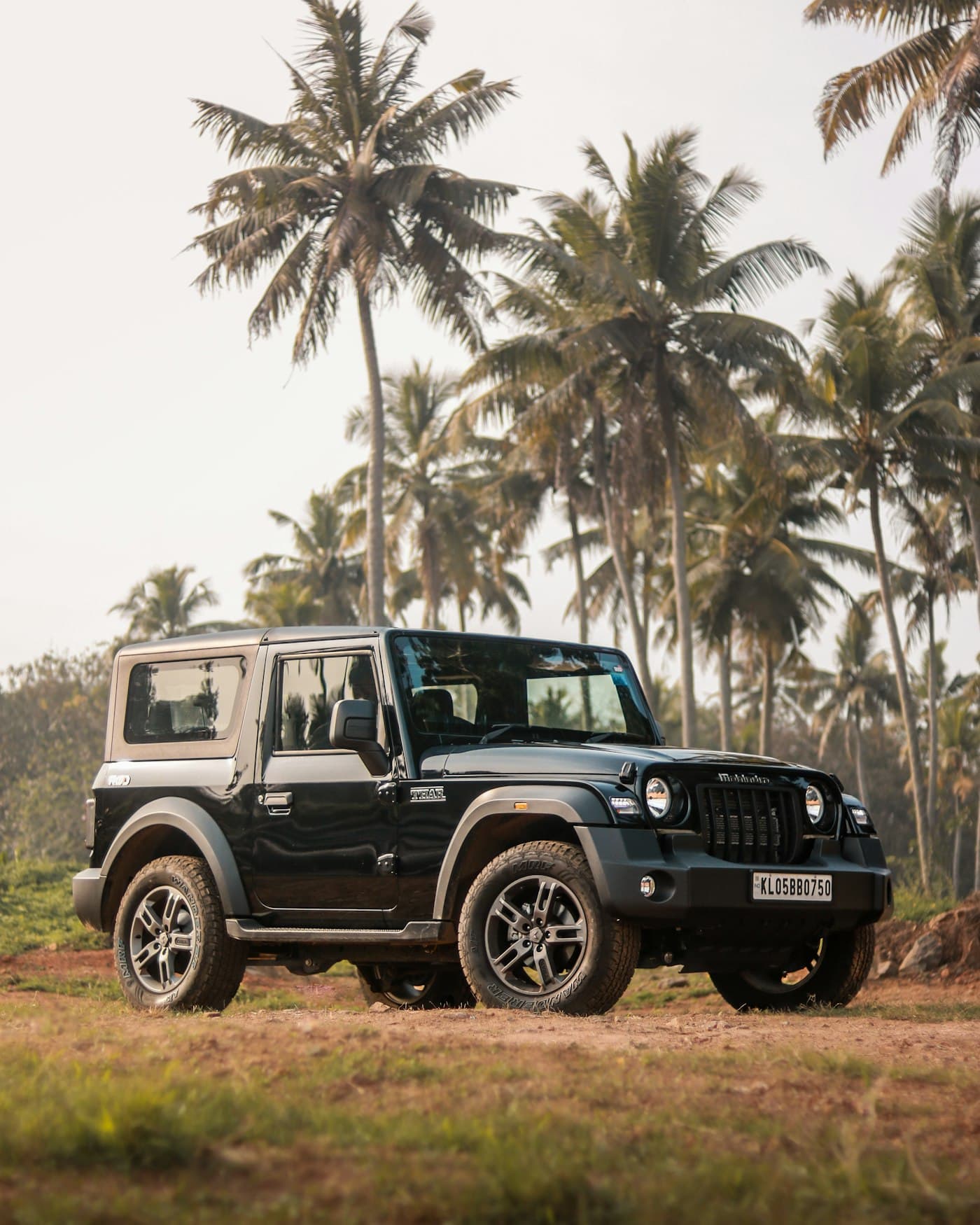
The Mahindra Thar is the overland rig of India, and a rooftop tent turns it into a self-contained home for the high passes. But putting the wrong tent on a Thar is one of the most common and most expensive mistakes new overlanders make. The Thar's roof has a specific limit, the routes it loves - Spiti, Ladakh, Lahaul - are brutal on a poorly mounted setup, and the cold up there is real. This guide, built on what we have proven at AdventureX4x4 from Faridabad out to Sissu and beyond, tells you exactly how to choose and mount a rooftop tent for your Thar so it is safe, solid, and ready for -20C.
Start Here: The Thar's Dynamic Roof Limit
Before you fall in love with any tent, learn the one number that governs the whole decision. Your Thar's roof has two load ratings. The STATIC rating - what it holds parked - is high, which is why a deployed tent comfortably sleeps two adults without any concern. The DYNAMIC rating - what it can carry while you are driving - is only about 50 to 75 kg, and critically, that figure must include the weight of your crossbars.
This is the rule that keeps you safe: size the tent's CLOSED, ready-to-drive weight to the dynamic limit. Not the static one. If your crossbars weigh 8 kg and your dynamic ceiling is 75 kg, you have roughly 67 kg left for the tent and anything mounted with it. Exceed that on a washboard track to Ladakh and you are loading the roof structure exactly where it is weakest - while it is flexing over corrugations. Respect the number and the setup is bombproof for years.
- Static (parked) load: high - this is why your deployed tent safely sleeps two adults.
- Dynamic (moving) load: roughly 50 to 75 kg on a Thar, and it MUST include the crossbars.
- The rule: match the tent's closed driving weight to the dynamic limit, with margin left over.
- Never judge a tent by its static or 'sleeps two' rating - that tells you nothing about whether it is safe to drive with.
Why the AutoNest 120 Is Built for the Thar
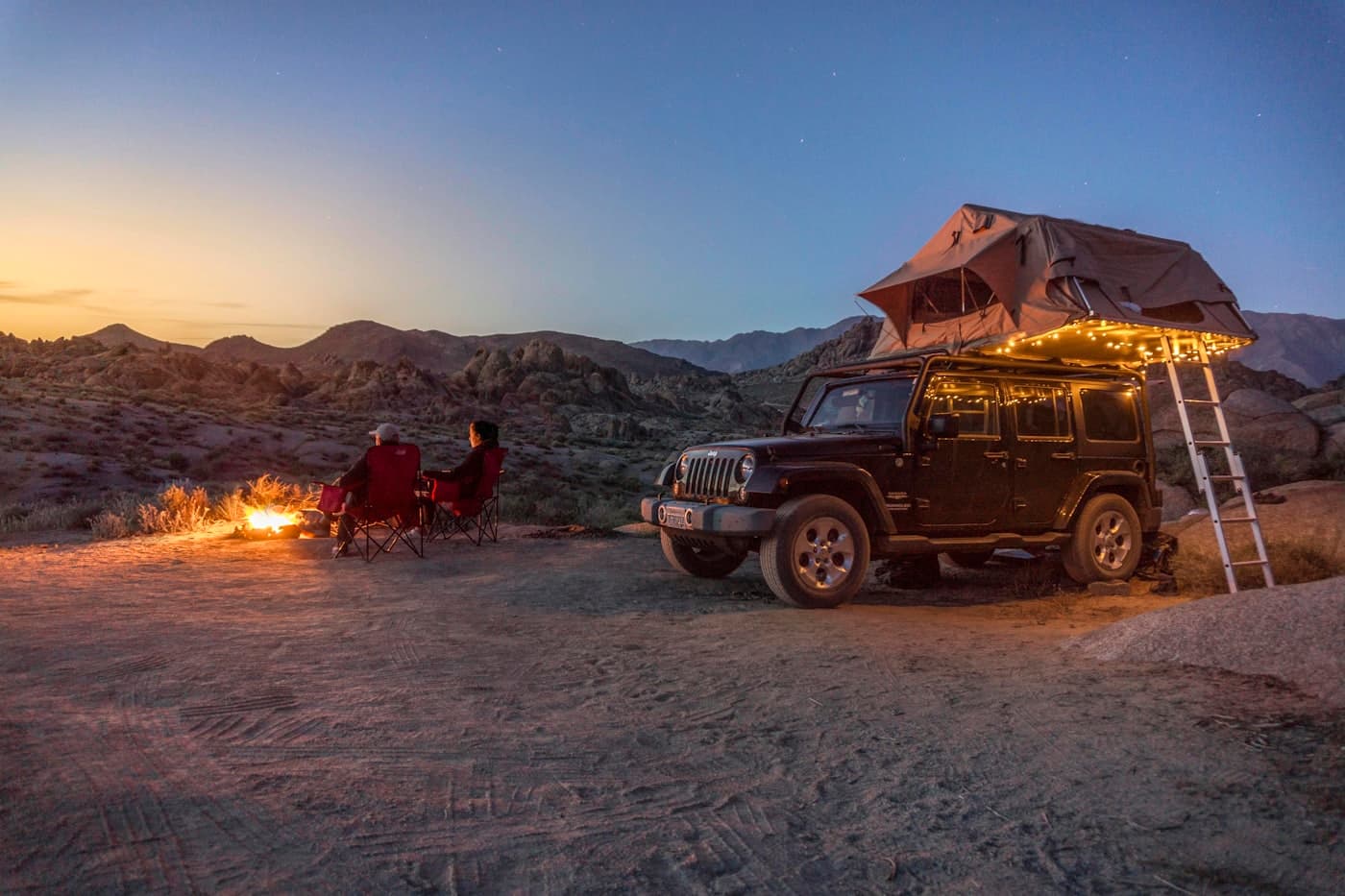
The AutoNest 120 is our flagship, and it is the tent we point most Thar owners to - for concrete reasons, not because it is the headline product. First, it is an automatic hardshell that auto-deploys in under a minute. On a Thar rolling into a high camp at last light, that single feature changes your evening: camp is up before the cold fully bites, with no poles to fight in the dark. Second, its closed driving weight is sized with the Thar's dynamic roof limit in mind, so you are not gambling on whether your roof can carry it over rough ground.
Third, the hardshell format suits the Thar's mission. The rigid lid keeps a low, aerodynamic profile on the long highway slogs that bookend every Himalayan trip, sheds snow and rain off a solid surface, and fully protects the tent fabric when closed - so the desert dust of Spiti and the sleet of Lahaul never touch the sleeping area in transit. For a vehicle that spends days crossing high desert and then a night in real snow, that combination is exactly right.
- Auto-deploys in under a minute - critical when you reach a high camp cold and short on daylight.
- Closed weight sized to the Thar's dynamic roof limit, so the setup is safe over washboard and scree.
- Hardshell lid: low aerodynamic profile for highway transit, sheds snow, protects fabric from dust and sleet when closed.
- Built and proven for the Thar's real mission - long high-desert drives ending in cold mountain nights.
Crossbars and Mounting: Get This Right
A rooftop tent is only as safe as what holds it down, and on a Thar this is where attention pays off. You need properly rated crossbars - not just a decorative roof rail or a basket. The crossbars carry the entire tent and its dynamic load, and they must be rated for the job and counted within your dynamic weight budget. Mount the tent to the crossbars per the torque spec, using the supplied brackets, and make sure the load is centred and even across both bars.
Then the single most important habit for Indian roads: re-torque after washboard. The corrugated tracks into Spiti and Ladakh vibrate fasteners loose - it is physics, not a defect. After your first long stretch of washboard, and periodically through a trip, stop and check every mounting bolt and bring it back to spec. This five-minute ritual is what stands between a tent that stays planted for a decade and one that develops play, rattles, and eventually a real problem at the worst possible moment. Treat re-torquing like checking tyre pressure: routine, non-negotiable, done before it bites you.
- Use rated crossbars, not a basket or factory rail alone - they carry the full tent and dynamic load.
- Mount to the torque spec with the supplied brackets; keep the load centred and even across both bars.
- Re-torque every mounting bolt after the first long washboard section and periodically through the trip - corrugations WILL loosen fasteners.
- Make a quick bolt check part of your routine, like tyre pressure - do it before a problem appears, not after.
Hardtop vs Soft-Top Thar: Does It Change Anything?
Thar owners run both hardtop and soft-top vehicles, and a common question is whether the roof type changes the tent decision. The tent mounts to the crossbars, and the crossbars mount to the vehicle's rated points - so the dynamic-load rule is the same either way: stay within roughly 50 to 75 kg including bars. What does differ is the mounting hardware and bar system appropriate to your specific Thar configuration, and that is worth confirming for your exact variant before you buy.
In practice, the AutoNest 120's hardshell pairs cleanly with a Thar regardless of roof type, because the load path runs through the crossbars rather than the roof skin. The key is using the correct, rated bar setup for your configuration and respecting the same dynamic ceiling. If you are unsure which bar system suits your Thar, that is exactly the kind of detail to confirm before ordering, so the fit is right the first time.
Cold Camping on a Thar in Spiti and Ladakh at -20C
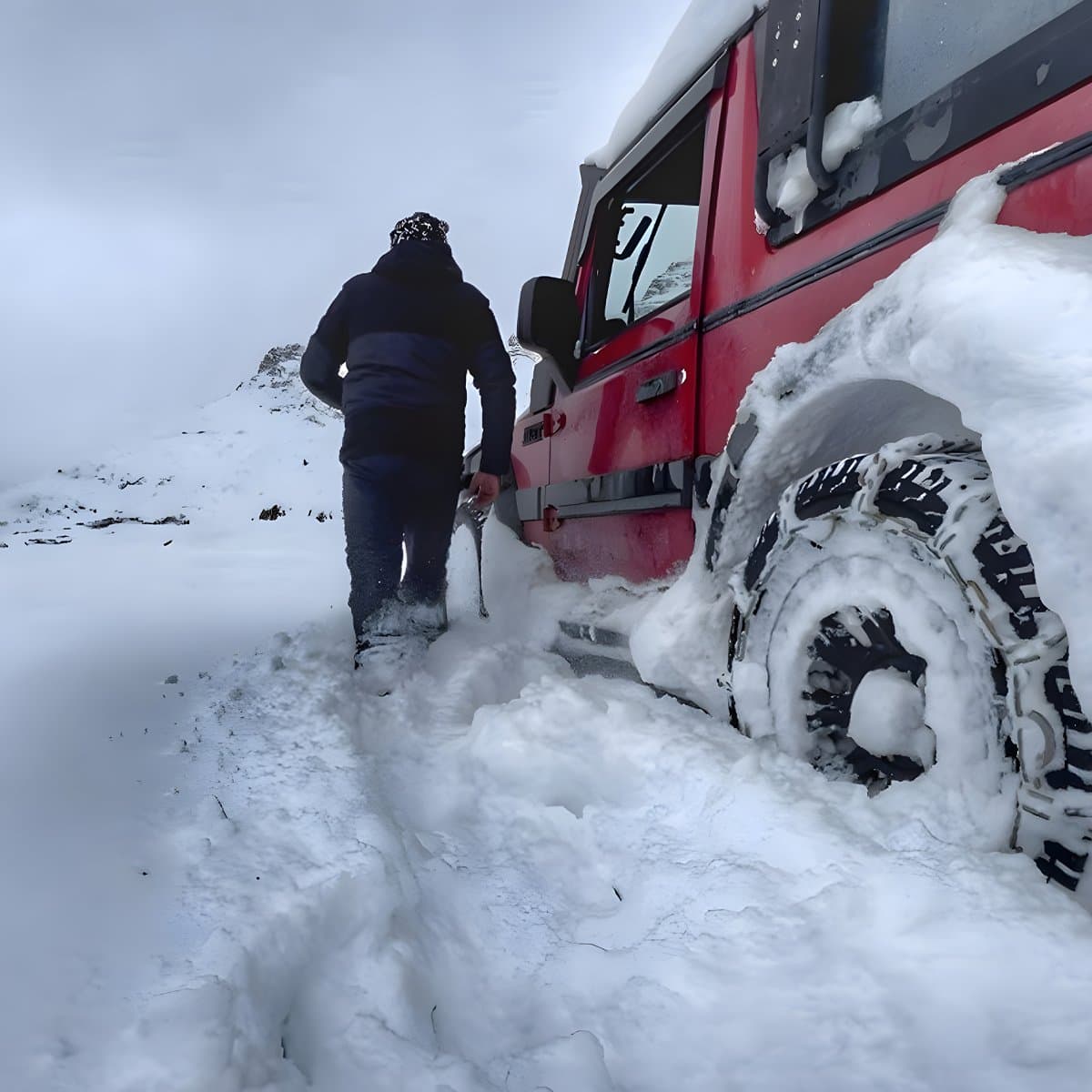
This is where a Thar setup earns its keep, and where cheap kit fails. Camping high in Spiti or Ladakh means real cold - down to -20C - thin air, and wind that comes off the ice with nothing to slow it. A rooftop tent gets you off the frozen ground, which is half the battle, but the tent itself has to do the rest. Three things matter most up here. Deploy speed, so you are inside and sealed before the cold wins the evening. Insulation and condensation control, so two people breathing inside do not wake under a sheet of frost. And wind stability, so the shell does not flog and rob you of sleep all night.
The AutoNest 120 is built for exactly this. The sub-one-minute deploy means you are set up fast when it counts. The hardshell seals tight against glacier wind and sheds any overnight snow off its rigid lid. And it is engineered with sub-zero insulation and anti-condensation venting tuned for these temperatures - because we prove our tents on these routes, not in a warm showroom. Pair it with a season-rated sleeping bag, an insulated mattress, and a windproof layer for the pre-dawn step outside, and a Thar becomes a genuine high-altitude basecamp. That is the whole promise of a rooftop tent for Thar overlanding: roll into the harshest camp in the country and be warm, dry, and bolted down by the time the light goes.
On a Thar at -20C in Ladakh, your tent has one job: be up fast, seal tight, and keep you dry till dawn. We build the AutoNest 120 to do exactly that.
AdventureX4x4
Frequently Asked Questions
What is the best rooftop tent for a Thar?
For most Thar owners it is the AutoNest 120, our flagship automatic hardshell. It auto-deploys in under a minute, its closed weight is sized to the Thar's dynamic roof limit, and its hardshell lid keeps a low highway profile while shedding snow and protecting the fabric in transit. It is built around the Thar's real mission of long high-desert drives ending in cold mountain nights.
How much weight can a Thar roof hold for a rooftop tent?
Parked, the static load is high, which is why a deployed tent safely sleeps two. Moving, the dynamic load is only about 50 to 75 kg and must include your crossbars. Always size the tent's closed, ready-to-drive weight to that dynamic figure with margin to spare - never to the static or 'sleeps two' rating, which tells you nothing about driving safety.
Do I need special crossbars for a rooftop tent on my Thar?
Yes. You need properly rated crossbars, not a decorative rail or a basket, because the bars carry the entire tent and its dynamic load and count within your weight budget. Mount the tent to the bars at the correct torque using the supplied brackets, keep the load centred, and confirm the right bar system for your specific Thar variant before buying.
Why do I need to re-torque the mounting bolts?
Because the washboard tracks into Spiti and Ladakh vibrate fasteners loose - that is normal physics, not a fault. After your first long corrugated section, and periodically through the trip, check and re-tighten every mounting bolt to spec. Treat it like checking tyre pressure: a quick, routine habit that keeps the tent planted and rattle-free for years and prevents trouble at the worst moment.
Can a rooftop tent on a Thar handle -20C in Spiti or Ladakh?
Yes, with the right tent. The AutoNest 120 deploys in under a minute so you seal up before the cold bites, its hardshell seals tight against glacier wind and sheds overnight snow, and it uses sub-zero insulation and anti-condensation venting tuned for these temperatures. Pair it with a season-rated sleeping bag and insulated mattress and your Thar becomes a true high-altitude basecamp, warm and dry to dawn.
Ready to kit out?
Everything in this guide is built, stocked and backed by AdventureX4x4 — engineered for Indian cold and proven from Spiti to Ladakh.