
Trip Planning
Winter Overlanding at -25C: How to Prep Your Vehicle and Your Body
At -25C diesel gels, batteries die and frostbite is real - here is the full vehicle and body prep for deep Himalayan winter.
Overlanding at -25C is not summer overlanding with a jacket on - it is a different discipline where small oversights become survival problems. The three things that will stop you cold are diesel gelling in the fuel line, a battery that cannot crank a frozen engine, and a human body losing heat faster than it can make it. So the prep splits into two halves: keep the vehicle alive (winter-grade or treated diesel, a strong battery kept warm, the right coolant and a plan to never fully cool the engine down overnight) and keep your body alive (layering that manages sweat, protecting extremities, and eating and drinking far more than feels necessary). This is the routine we run for deep-winter Spiti, when Kaza sits frozen and night temperatures in the Lingti and Pin valleys drop toward -25C to -30C. Get it right and winter is the most magical season up there; get it wrong and you are stranded on a dark road with a dead engine.
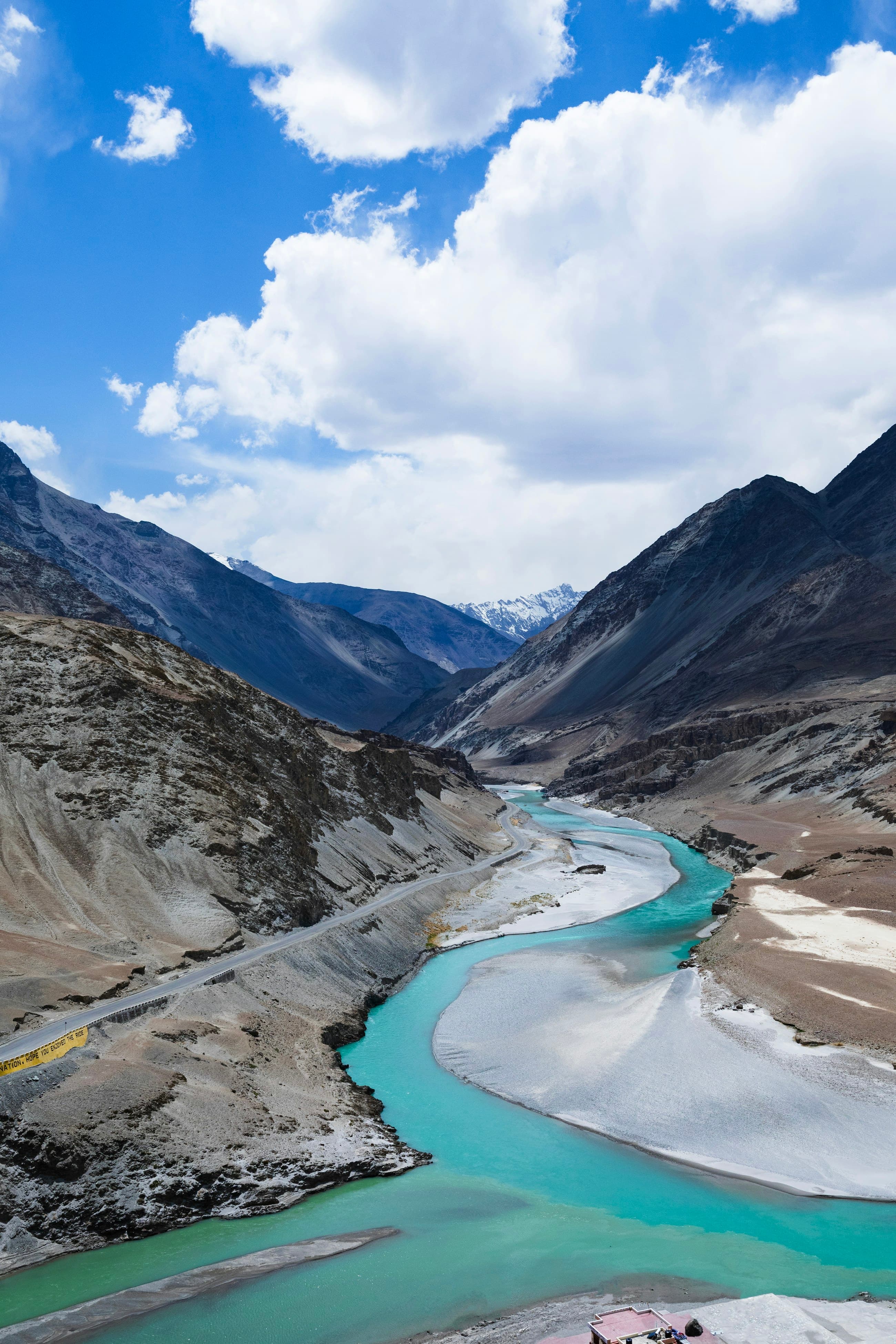
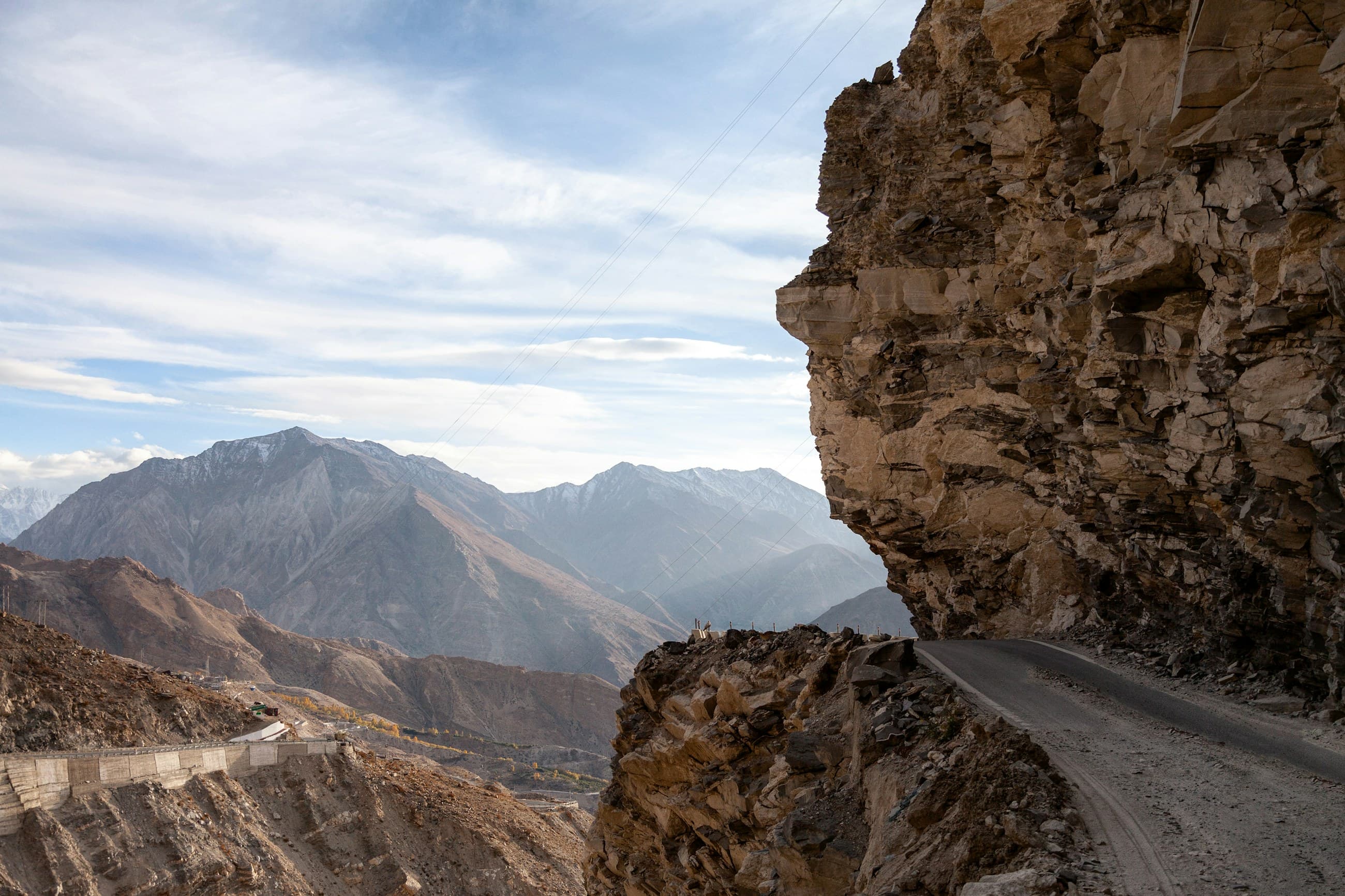
Set your expectations for what deep-winter Spiti actually means before you commit. The road from Shimla through Kinnaur stays open through winter where the road to Manali over Kunzum La does not, so the winter approach is the long Shimla-Reckong Peo-Nako-Tabo-Kaza line, often single-lane, often with black ice on the shaded sections above the Sutlej and Spiti rivers. Daytime in Kaza in January might claw up to a few degrees below zero in thin sun; the moment that sun drops behind the ridge, the temperature falls hard, and the genuinely cold valleys - Pin, Lingti, the side road toward Langza and Komic at over 4,500 m - sink toward -25C to -30C overnight. Diesel that ran fine in Faridabad will start waxing somewhere around Nako if it has not been treated. This is why winter Spiti is a planning exercise as much as a driving one, and why the prep below is not optional padding - every line of it is something we have watched go wrong on someone's rig.
Why does -25C break vehicles that run fine in summer?
Cold attacks a vehicle on several fronts at once. Ordinary diesel starts forming wax crystals as it approaches its cloud point and can gel solid, blocking the fuel filter - this is the number-one winter breakdown in Spiti. Battery capacity falls off a cliff in the cold; a battery that delivers full cranking power in Faridabad can lose a large chunk of its punch at -25C, exactly when a stiff, cold engine needs the most. Engine oil thickens, making the first turn over harder. Coolant that is not mixed strong enough can freeze and crack a block. Tyre pressures drop with temperature, and rubber goes hard and loses grip. Diesel exhaust fluid (AdBlue) in newer BS6 vehicles can freeze too. None of this is exotic - it is predictable physics, which means it is all preventable with preparation.
It is worth understanding the diesel problem precisely, because it is the failure that strands the most people. As diesel cools it reaches its cloud point, where wax crystals begin to form and the fuel turns hazy; cool it further to the cold filter plugging point and those crystals are big enough to block the fuel filter, starving the engine. Standard Indian diesel is not winterised for -25C, so on a cold night the wax collects in the filter and in the thin fuel lines, and you get a vehicle that cranks but will not run, or that starts and then dies a kilometre down the road. The fix is entirely preventive: treat the fuel before you climb into the cold, keep the tank full so there is more warm fuel mass and less moist air to condense, and carry a spare filter so that even if a tankful catches you out, you can swap the blocked element and get moving. You cannot easily un-gel a filter on a dark roadside at -25C with bare hands, which is precisely why this is a job you do in advance, not in the moment.

How do you prep the vehicle for deep cold?
- Fuel: run winter-grade diesel where available, or add an anti-gel additive at the correct dose before you climb; keep the tank above half so there is less air for condensation and more thermal mass.
- Battery: start the trip with a healthy, fully charged battery (replace anything weak before you leave) and insulate it; an old blanket over the battery overnight genuinely helps it crank in the morning.
- Coolant: confirm the antifreeze mix protects to at least -30C, well below the coldest night you expect. A weak summer mix is a cracked engine waiting to happen.
- Oil: use the manufacturer's recommended winter-weight oil so cold-start flow is adequate.
- Tyres: carry chains (we run TractionX snow chains), fit them before you need them, and re-check pressures as temperature drops since cold air lowers them.
- Glow plugs and starting: let the glow-plug light cycle fully before cranking on a diesel; if you can park nose-out facing the morning sun, do it.
- Overnight: in extreme cold, many experienced drivers idle-warm the engine periodically through the night or park where it stays in a warmer micro-spot, so it never fully cold-soaks. Never run an engine in an enclosed space - carbon monoxide kills.
- Fluids and seals: top up windscreen washer with a freeze-resistant mix, and carry spare fuel filters since a gelled one is the most common roadside fix.
On tyres and traction, be clear about which tool does which job, because the consequences of getting it wrong are sliding off a road with a frozen drop on one side. Winter or all-terrain tyres are your everyday foundation and they bite better than highway rubber in cold and light snow, but they are not the answer on packed snow and black ice - that is chain territory. The shaded ice sections above the rivers between Nako and Tabo are the classic place people learn this, often on a downhill bend where braking does nothing. We run TractionX snow chains and the rule is simple: fit them on the road, before you are stuck, where you can still position the vehicle, not after you have slid to a halt across a sheet of ice. The AX pattern suits lighter rigs and the MX the heavier ones; size them to your exact tyre at home and practise fitting them once in your driveway with gloves on, because the first time you do it should not be in the dark at -20C with the wind coming up the valley. Re-check your tyre pressures as the mercury falls - cold air drops them and a soft tyre handles worse on ice, not better.
How do you prep your body to survive the cold?
The body rule is layering, not bulk. One thick jacket traps sweat and then freezes you; multiple layers let you vent heat as you work and trap warmth when you stop. The enemy is sweat - get damp recovering a stuck vehicle and that moisture will chill you to the bone the moment you stand still. Manage your output: strip a layer before you start hard physical work, add it back the instant you stop. Extremities go first, so protect hands, feet, ears and nose obsessively. And you must over-eat and over-drink, because your body burns enormous energy just staying warm, and cold air dehydrates you even though you do not feel thirsty.
- Base layer: merino or synthetic thermals that wick sweat - never cotton, which holds moisture and kills.
- Mid layer: fleece or a light down sweater for insulation you can add and remove.
- Outer shell: a windproof, water-resistant jacket and trousers - wind is what turns -25C into something far colder.
- Extremities: insulated waterproof gloves (plus thin liner gloves so you can work without bare skin on metal), two pairs of socks in insulated waterproof boots, a balaclava or buff, and a warm hat.
- Sleeping: a bag rated well below the coldest night, an insulated mat to block ground cold, and a hot-water bottle in the bag is a genuine luxury that works.
- Fuel for the body: high-calorie food, hot drinks in a flask, and steady sipping of water - aim to never be hungry, cold or dehydrated, because together they cause poor decisions.
Know what frostbite and hypothermia look like, because at -25C they are not abstract risks. Frostnip is the early warning - skin going waxy, white or grey and numb, usually on fingertips, toes, ear lobes, the nose and cheeks. Rewarm those areas against warm skin or in the cab; do not rub them with snow and do not hold them to a heater so hot you cannot feel the burn, because numb skin cannot tell you it is cooking. Never touch bare metal - a winch drum, a tow hitch, a tool - with bare skin in deep cold, because your skin will freeze to it instantly, which is why liner gloves live on your hands. Hypothermia creeps up as shivering, clumsiness, slurred speech and odd, irritable decisions - the person who insists they are fine while fumbling a simple buckle is the person you get into a warm cab, into dry layers, and feed hot sweet fluids. The thread running through all of it is the same: stay dry. Strip a layer before you sweat, not after, because once your thermals are wet at -25C you are in real trouble the moment you stop moving.
In deep winter your worst enemy is not the cold air, it is your own sweat. I tell every driver - strip a layer before you start digging out a stuck Thar, not after. The man who stays dry walks home. The man who soaks his thermals hauling the winch is the one we end up warming back to life in the cab.
What recovery and safety gear changes in winter?
Snow recovery has its own rules. Traction boards work in snow but can dig deeper if you spin, so you reduce tyre pressure for a bigger footprint and ease on the throttle rather than flooring it. Carry a proper shovel - not a token folding one - because digging is most of snow recovery. Snow chains transform a hopeless climb into a possible one, but they must go on before you are stuck, on the road where you can still position the vehicle. Keep a winch damper, soft shackles and a kinetic rope accessible, not buried under frozen kit in the boot. And always carry more fuel than the route demands, because in winter the last working pump can be a long way back and a closed pass can double your distance overnight.
One more discipline that matters more in winter than any other season: never travel deep-winter Spiti alone. A single breakdown or a recovery with no second vehicle, in temperatures that will give you frostbite while you wait, is genuinely life-threatening rather than merely inconvenient. Run a small convoy of two or three rigs so you can share a kinetic rope and a winch line, so one vehicle can go for help while another stays, and so there is a warm cab to put a cold person in. Tell someone outside the convoy your route and your expected dates, carry an offline map and a satellite messenger for the legs where the phone is dead, and keep your recovery kit - boards, kinetic rope, soft shackles, damper, shovel - on top of the load where you can reach it with gloves on, not frozen under a week of gear. Carry far more fuel than the distance demands, because a pass closing or a long detour can double your range overnight, and a jerry can of treated diesel is cheap insurance against a very cold night.

Frequently Asked Questions
Should I leave my diesel engine running all night at -25C?
Many experienced winter drivers periodically idle the engine to keep it from fully cold-soaking, which makes the morning start far easier. But never do this in an enclosed or poorly ventilated space - carbon monoxide is odourless and lethal. Insulating the battery and using anti-gel additive are safer first lines of defence.
Will my BS6 vehicle have AdBlue problems in the cold?
AdBlue can freeze around -11C, but vehicles are designed to thaw and dose it once running, and a frozen tank usually will not stop you driving. Keep the tank topped up and let the vehicle warm up; do not add anything to the AdBlue to lower its freezing point.
Can I do a first winter trip solo?
We strongly advise against it. In deep cold a single breakdown or recovery with no second vehicle and no help is genuinely dangerous. Travel in a small convoy, share recovery gear, and tell someone your route and expected return.
What is the single most common winter breakdown?
Gelled diesel blocking the fuel filter. Carry the right additive, keep the tank above half, and pack a spare fuel filter - that one habit prevents most cold-weather strandings.
What is the warmest way to sleep at -25C in a rooftop tent?
Get off the ground (a rooftop tent already does this), put an insulated mat under your bag to block the cold coming up through the floor, use a bag rated well below the night's low with a liner inside it, and go to bed in a dry base layer rather than the damp clothes you drove in. A wide-mouth flask of hot water tucked in by your feet works, a small heater run with ventilation for the hour before sleep takes the edge off, and a hot, calorie-heavy dinner fuels the furnace that keeps you warm overnight.
Put it into practice
Want it all handled? Join a fully-supported AdventureX4x4 expedition.